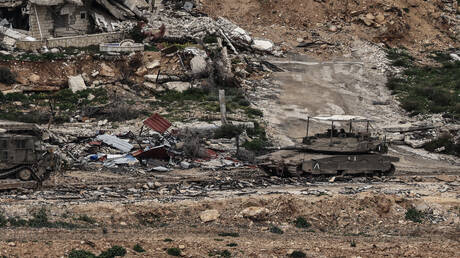
In a direct response to Israeli Defense Minister Israel Katz's statements threatening the destruction of homes in Lebanese border villages and the establishment of a buffer zone in southern Lebanon, Lebanese Defense Minister Michel Mounir affirmed that Lebanon will not accept any violation of its sovereignty. Mounir pointed out that these threats reflect Israel's aggressive policy towards Lebanon and the region.
During his remarks, Mounir stressed that the Lebanese army is prepared to confront any aggressions and will work to protect Lebanese citizens and their properties. He added that Lebanon has the right to defend itself against any threats and will not hesitate to take necessary measures to safeguard its sovereignty.
Details of the Incident
Katz's statements come at a sensitive time as tensions along the Lebanese-Israeli border are escalating, particularly following a series of military incidents between the two sides. Katz indicated that Israel intends to take serious steps to ensure its security, including the destruction of homes in border villages that it considers a threat to its security.
On the other hand, many observers believe that these statements are part of Israel's policy aimed at imposing its hegemony over the region and creating a new reality on the ground that aligns with its security interests. These remarks have sparked angry reactions from Lebanese officials, who view these threats as a blatant violation of Lebanese sovereignty.
Background & Context
Historically, the Lebanese-Israeli border has been the scene of numerous conflicts and disputes, with the region experiencing ongoing tensions for decades. Previous wars have resulted in the destruction of many villages and homes, leaving negative impacts on local populations. In recent years, tensions have increased due to Israeli military activities, including airstrikes and ground provocations.
Katz's statements are considered part of a broader Israeli strategy aimed at enhancing national security through strict measures against any potential threats. However, this strategy often leads to an escalation of tensions in the region, threatening stability and peace.
Impact & Consequences
The Israeli threats could escalate the situation along the border, increasing the likelihood of a new armed conflict. These statements may also negatively affect relations between Lebanon and Israel, heightening tensions in the region. If these threats are implemented, they will lead to serious humanitarian consequences for civilians in border villages, who may face displacement and loss of property.
Moreover, military escalation could attract international interventions, as major powers may seek to mediate the conflict to prevent its exacerbation. However, under the current circumstances, it seems that tensions will continue to rise, making the region susceptible to further disturbances.
Regional Significance
The tensions between Lebanon and Israel are part of the larger picture of conflicts in the Arab region, where political and security interests intersect. Any escalation in these tensions could impact neighboring countries and intensify existing conflicts elsewhere, such as in Syria and Palestine.
These conditions may also lead to the strengthening of extremist positions in the region, complicating peace and stability efforts. At the same time, Arab countries remain on alert, seeking diplomatic solutions to avoid military escalation.
In conclusion, the situation along the Lebanese-Israeli border remains unstable, requiring both international and local efforts to mitigate escalation and ensure the safety of civilians.