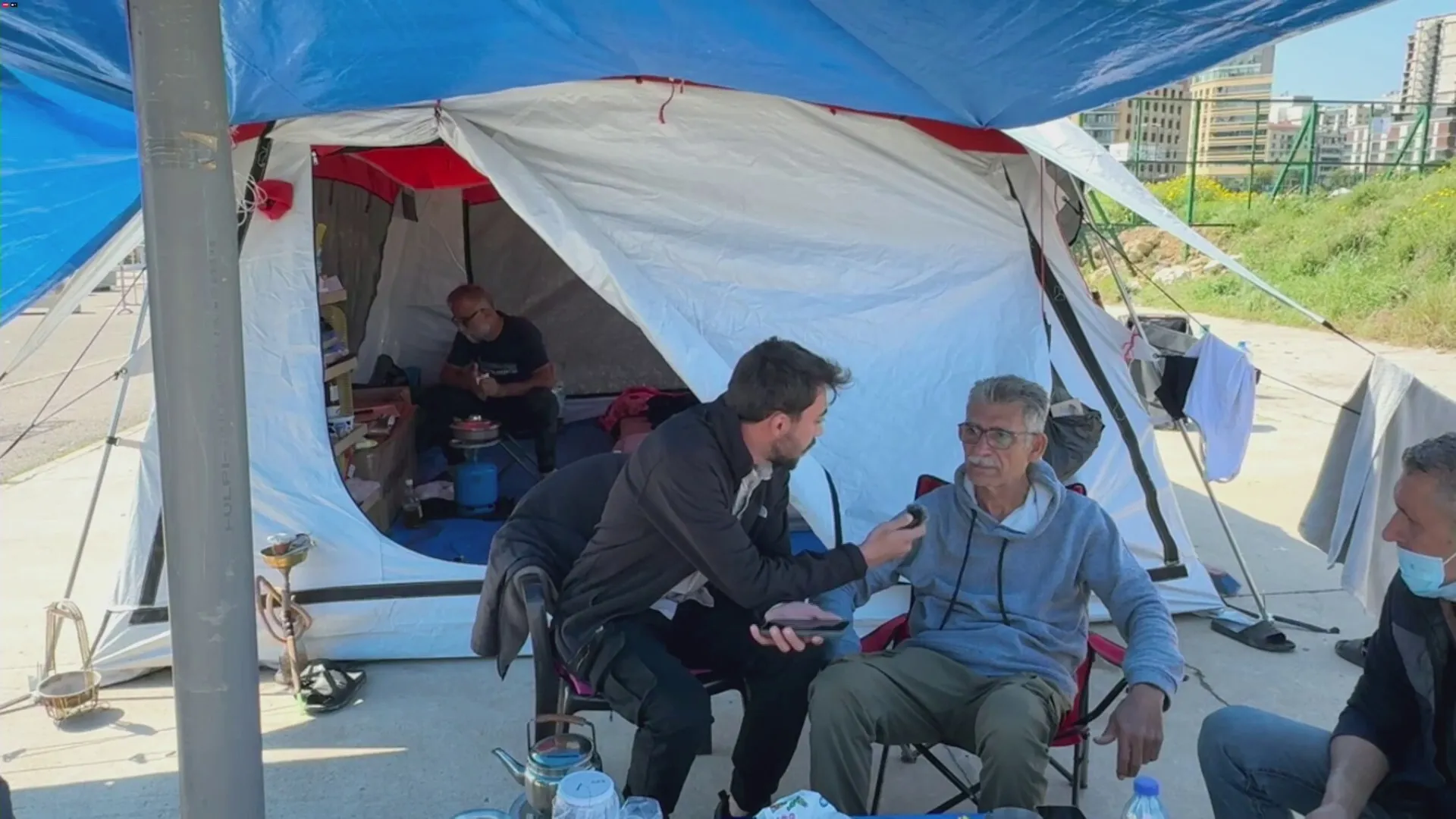
Approximately 1.6 million Lebanese are suffering from forced displacement due to ongoing Israeli aggression, which threatens their return to their cities. Among these displaced individuals, around 370,000 are children, and most of them live in harsh conditions, either in tents exposed to the elements or in overcrowded shelters.
Statistics from the United Nations Children's Fund (UNICEF) indicate that the humanitarian situation in Lebanon is deteriorating rapidly, with international funding covering only one-third of the actual needs of the displaced. These individuals live in difficult circumstances, exacerbating their suffering and making it essential to provide more humanitarian support.
Details of the Incident
In a related context, the Israeli army issued urgent warnings to residents in areas of the city of Tyre this Wednesday morning, demanding immediate evacuation in preparation for airstrikes on the region. These warnings come at a sensitive time, as many displaced individuals are seeking to return to their homes after a long period of displacement.
Concerns are growing that these airstrikes could worsen the humanitarian situation, as the displaced are living in extremely difficult conditions, threatening their lives and safety. This Israeli military escalation reflects the ongoing tensions in the region and complicates humanitarian relief efforts.
Background & Context
The history of Lebanese displacement dates back many years of conflicts and wars, where Lebanon has witnessed numerous crises that led to the displacement of large numbers of its population. The ongoing Israeli aggression for years, along with economic and political crises, has contributed to the exacerbation of this problem.
These conditions are part of a larger humanitarian crisis affecting the region, with increasing numbers of displaced individuals in other countries such as Syria and Palestine. The continuation of these crises requires an urgent and effective international response to meet the needs of the displaced.
Impact & Consequences
The humanitarian situation in Lebanon directly affects regional stability, contributing to increased tensions between countries. The ongoing displacement and instability could exacerbate economic and social crises, threatening security in the region.
Furthermore, these conditions may increase pressures on neighboring countries, which are also suffering from their own crises. It is crucial for neighboring countries and the international community to provide the necessary support to alleviate the suffering of the displaced.
Regional Significance
The plight of Lebanese displaced individuals is part of a larger crisis affecting the Arab region, where the number of displaced individuals is increasing in many countries. The humanitarian crises in Lebanon, Syria, and Palestine require a coordinated response from Arab countries and the international community.
These conditions necessitate joint efforts to provide humanitarian support and enhance stability in the region. Cooperation among Arab countries can contribute to improving the humanitarian conditions for the displaced and enhance the chances of safe return to their homes.
In conclusion, the suffering of Lebanese displaced individuals remains an urgent humanitarian issue that requires immediate international attention, as the continuation of displacement poses a significant challenge to security and stability in the region.