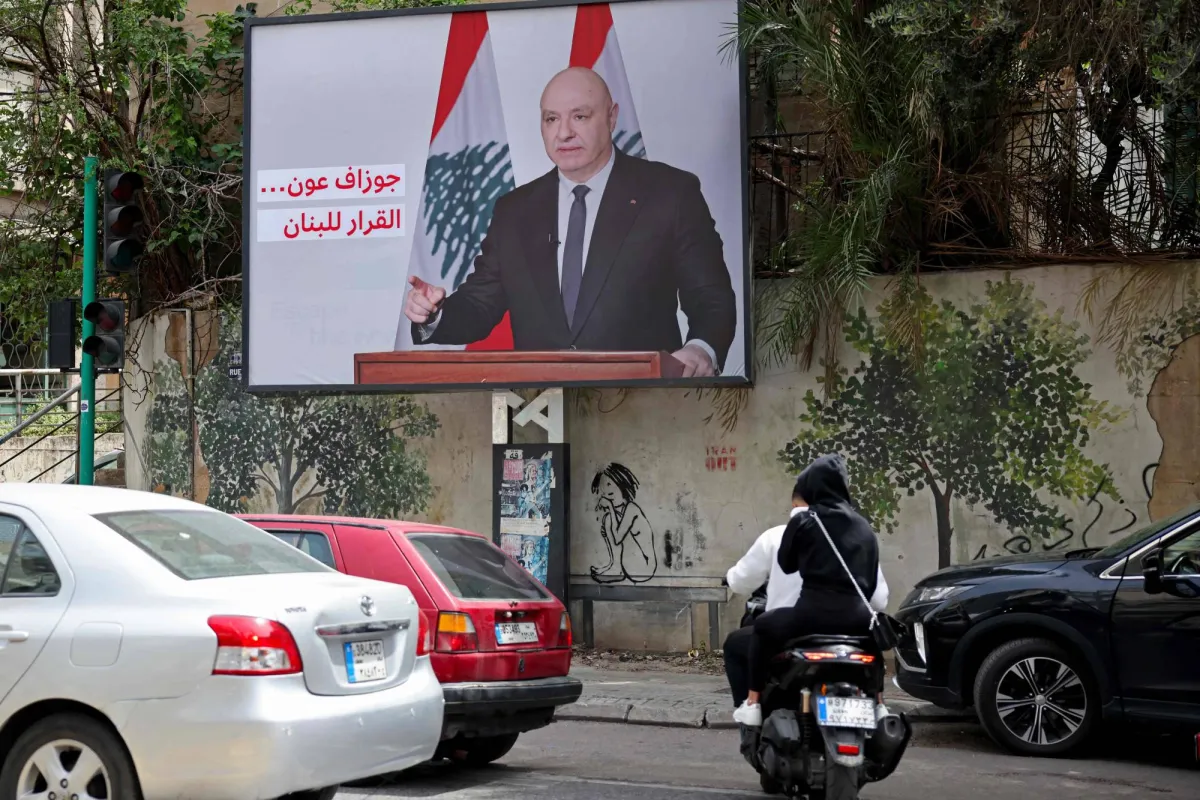
A state of anticipation is growing in Lebanon amid the ongoing negotiations between Israel and Lebanon, with reports indicating a possible upcoming meeting between Israeli Prime Minister Benjamin Netanyahu and Lebanese President Joseph Aoun in Washington. However, this meeting remains conditional on the continuation of the fragile ceasefire.
In this context, Israeli media reported that Netanyahu is scheduled to visit Washington in mid-May; however, Lebanese ministerial sources confirmed that the presidency has not received any official information regarding this meeting. The sources indicated that serious consideration of negotiations cannot occur without a full commitment to a ceasefire and an end to destruction.
Details of the Event
Sources discuss the necessity of a third round of negotiations, referencing statements from the American ambassador to Lebanon, Michel Aoun, about the need for a new meeting that carries additional momentum. In the second round of negotiations, Lebanon demanded a halt to large-scale operations and an end to destruction, but this commitment has not been realized so far, except for the commitment not to target ambulances.
On the other hand, Hezbollah considers its operations a response to Israeli violations, asserting that reaching a ceasefire is contingent upon obtaining an Israeli commitment. Sources also indicate that communication with Hezbollah occurs through the Speaker of the Parliament, Nabih Berri, who is supposed to express the position of the duo, but the extent of his influence depends on the party's responsiveness to him.
Background & Context
In light of these circumstances, Minister of Information Paul Marqas confirmed that Lebanon is demanding an extension and consolidation of the ceasefire as a fundamental step to achieve other goals, such as the withdrawal of Israeli forces from Lebanese territory and the liberation of prisoners. Marqas clarified that the government has made decisions regarding the deployment of the Lebanese army and the exclusivity of arms, but the continuation of Israeli attacks poses an obstacle to implementing these resolutions.
At the same time, the Higher Islamic Sharia Council, headed by Mufti Abdul Latif Deryan, emphasized adherence to the Taif Agreement and the constitution as national references, stressing the need to respect the powers of the President of the Republic in managing negotiations. The council also called for refraining from targeting the presidency of the government, warning of the risks that could arise from such actions.
Impact & Consequences
Concerns are rising over escalating tensions in the region, as Israeli airstrikes continue in various areas of Lebanon, resulting in casualties and injuries. Systematic explosions have also been recorded in the town of Al-Khiam, reflecting an escalation in military operations. In response, Hezbollah launched rockets towards the Upper Galilee, which is considered a violation of the rules of engagement.
This military escalation could significantly impact the course of negotiations, as any escalation may revert matters to square one and complicate peace efforts. Furthermore, the continuation of military operations could exacerbate humanitarian conditions in Lebanon, increasing the suffering of civilians.
Regional Significance
These developments are of great importance to the Arab region, as they reflect the ongoing Israeli-Palestinian conflict and its impact on neighboring countries. Any escalation in Lebanon could drag the region into new crises, especially with the presence of regional and international powers seeking to achieve their interests in the area.
In conclusion, the situation in Lebanon remains under observation, as any progress in negotiations depends on the parties' commitment to a ceasefire, necessitating intensive diplomatic efforts to avoid further escalation.