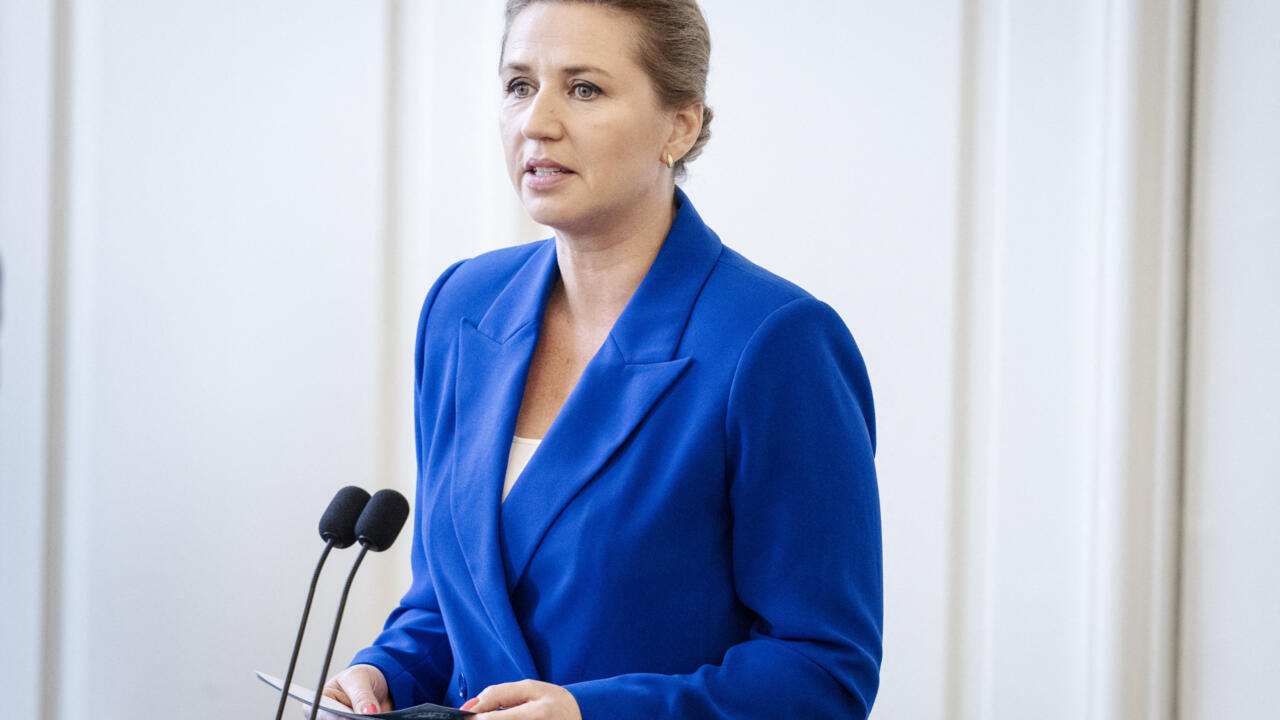
The left alliance topped the results of the parliamentary elections in Denmark, despite not achieving an absolute majority. The elections witnessed a sharp decline for the ruling Social Democrats, who recorded their lowest level since 1903, alongside a notable rise of the far-right, signaling challenging negotiations ahead for forming a new government.
Current Prime Minister Mette Frederiksen confirmed her readiness to lead the government again, despite her party receiving 21.9% of the votes, a significant drop from the 27.5% achieved in the 2022 elections. Frederiksen expressed regret over not achieving a better result, noting that expectations indicated a loss of some votes in her third candidacy.
Election Results Overview
The five parties within the left bloc secured 84 seats out of 179 in parliament, falling short of an absolute majority. In contrast, the six right-wing parties obtained 77 seats. The centrist party, the Moderates, led by Foreign Minister Lars Løkke Rasmussen, gained 14 seats, giving it a crucial role in government formation negotiations.
Frederiksen acknowledged that "nothing indicates that forming a government will be easy," reaffirming her willingness to take responsibility over the next four years. Meanwhile, the Socialist People's Party achieved a historic milestone by receiving 11.6% of the votes, finishing second nationally for the first time.
Conversely, the far-right Danish People's Party, known for its anti-immigration stance, made a strong comeback, tripling its votes to garner approximately 9.1%. These results reflect a significant shift in the Danish political landscape.
Background & Context
These elections occur against a backdrop of geopolitical tensions, particularly concerning Greenland, where discussions are ongoing between Copenhagen and Washington regarding the future of the island, which U.S. President Donald Trump has deemed "vital to national security." Greenland and the Faroe Islands enjoy a status of self-governance and hold four parliamentary seats, potentially impacting the majority balance in parliament.
The election campaign in Denmark, with a population of approximately 6 million, focused on issues such as rising living costs, social welfare, environmental concerns, and immigration. The Social Democrats adopted a package of 18 proposals aimed at restricting immigration in response to the rise of the far-right.
Impact & Consequences
The decline of the Social Democrats could negatively affect social and economic policies in Denmark, as the current government has relied on their support on many issues. The rise of the far-right may lead to radical changes in immigration and integration policies, which could impact Danish society as a whole.
Negotiations to form the next government will be complex, as leftist and centrist parties will need to reach agreements with right-wing parties, potentially resulting in a fragile government or unexpected coalitions.
Regional Significance
Arab countries are closely following the results of the Danish elections, especially amid tensions related to immigration and asylum. Denmark's policies towards immigrants could influence the policies of other European countries, which may reflect on the relationships between Arab nations and European states.
Ultimately, these elections represent a turning point in the Danish political landscape, necessitating careful monitoring of upcoming developments and their impact on domestic and foreign policies.