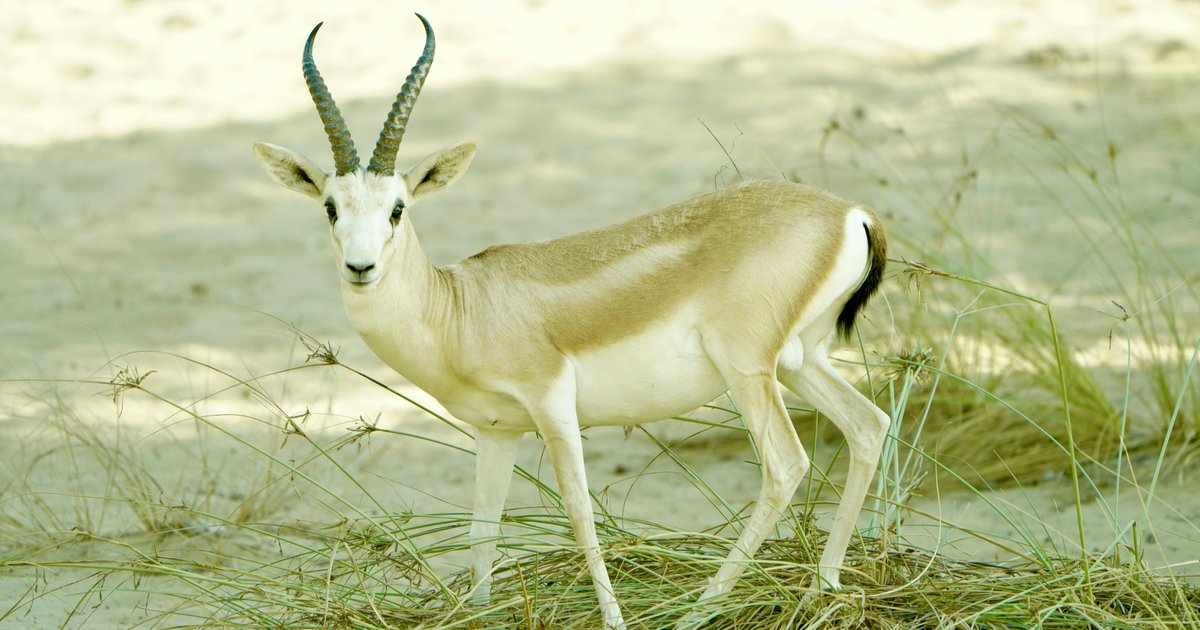
The image of the Dorcas gazelle, placed in a glass box as a wedding gift by a Libyan citizen, has sparked a wave of sympathy on social media. However, this creature, which appeared bewildered in its box, is actually a living example of intelligence and adaptability in its natural environment.
The Dorcas gazelle is considered a living model of the philosophy of managing life under pressure, as its behaviors provide valuable lessons on how to handle resources and time effectively. This gazelle demonstrates an astonishing ability to adapt to scarcity, making it a role model in the fields of human development.
Event Details
The behaviors of the Dorcas gazelle can be explained through behavioral ecology, governed by the laws of evolution and environment. Although these behaviors are seen as a product of natural adaptation, they offer lessons that humans can benefit from in their daily lives. The gazelle shows an ability to manage its life under pressure, as it is said to be able to go without water for extended periods, although previous studies have disputed this claim.
Research indicates that the Dorcas gazelle can survive without water for up to 12 days in moderate climates, while this ability diminishes to 5 days in high temperatures. This adaptation illustrates how living organisms can intelligently manage their resources under harsh conditions.
Background & Context
Laboratory experiments show that the behavior of the Dorcas gazelle is not random but influenced by multiple factors such as competition with other species and food availability. The gazelle exhibits strategic flexibility, adjusting its diet according to environmental changes, reflecting a high capacity to adapt to surrounding conditions.
Studies suggest that the Dorcas gazelle relies on buds and tender leaves during certain periods, while at other times it shifts to different plants. This change in feeding patterns reflects a dynamic response to variations in resource availability, highlighting its resilience in facing environmental challenges.
Impact & Consequences
Despite the behavioral intelligence of the gazelle, it faces increasing threats from human activities, having lost about 86% of its historical geographic range. This species is considered endangered, raising questions about how environmental pressures affect its behaviors.
Dr. Mohamed Adel Qadri, a professor of zoology, notes that the Dorcas gazelle prefers safety over resource abundance, reflecting a behavior known as "risk avoidance." This choice, while seemingly logical, demonstrates that success is not solely linked to good choices but also to the environmental context in which decisions are made.
Regional Significance
The lessons of the Dorcas gazelle in managing priorities and adapting to harsh conditions are particularly important for the Arab region, where many countries face environmental and economic challenges. The gazelle shows that resource management is not merely a choice between alternatives but requires a comprehensive understanding of the surrounding context.
In conclusion, the Dorcas gazelle offers an important lesson in how to adapt to difficult circumstances, serving as a model in the fields of human development and resource management.