On Wednesday, the Chief of Staff of the Libyan Army, Salah al-Din al-Namroush, held discussions with the Director General of the Tunisian Defense Intelligence and Security Agency, Habib Ben Salah al-Dhaif, regarding ways to enhance security and intelligence cooperation between their countries. This meeting is part of joint efforts to develop collaboration between ground forces, emphasizing the implementation of joint training programs and conducting field exercises at the border.
The Libyan General Staff reported that the meeting highlighted the importance of enhancing security coordination between the two sides, contributing to regional stability and protecting mutual interests. Both parties affirmed the necessity of intensifying the exchange of information and expertise, which would bolster security and military readiness between Libya and Tunisia.
Event Details
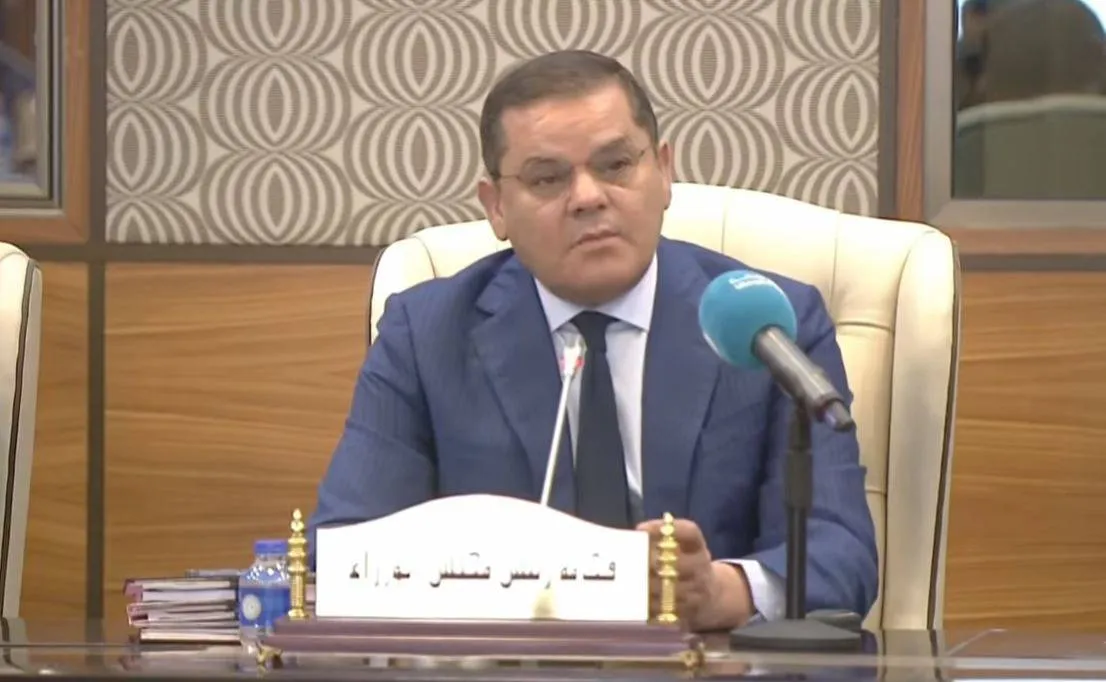
This meeting comes two days after the capital, Tripoli, hosted the conference of military intelligence leaders from the Sahel and Mediterranean countries in 2026, attended by the Prime Minister of the National Unity Government, Abdul Hamid Dbeibeh. Dbeibeh noted that holding the conference at this time carries profound implications in light of recent international events and serves as an important milestone for assessing the security situation.
In his speech, Dbeibeh emphasized that regional security is a collective responsibility that cannot be achieved in isolation, pointing to the importance of enhancing intelligence coordination and timely information exchange. He also addressed the scourge of terrorism, indicating that threats in the Sahel and Africa are increasing, necessitating a shift from diagnosis to implementation.
Background & Context
Historically, security relations between Libya and Tunisia have seen notable development, especially following the political events in the region. Shared security challenges, such as terrorism and illegal migration, have led to strengthened cooperation between the two countries. Both nations are striving to achieve security stability that positively reflects on their populations.
Tunisia and Libya share a long border, making security coordination between them vital. In recent years, numerous security challenges have prompted both sides to enhance cooperation and share intelligence information.
Impact & Consequences
Strengthening security cooperation between Libya and Tunisia could contribute to improving the security situation in the region and enhance both sides' ability to confront shared threats. This collaboration may also open new avenues for military cooperation and joint training, thereby enhancing the readiness of the armed forces in both countries.
This cooperation is expected to have a positive impact on regional stability, potentially reducing security tensions and fostering trust among neighboring countries. Furthermore, enhancing security coordination may assist in addressing challenges related to terrorism and illegal migration.
Regional Significance
The security cooperation between Libya and Tunisia serves as a model in the Arab region, as it can contribute to enhancing security and stability. This collaboration may encourage other countries in the region to adopt similar strategies to tackle security challenges.
In conclusion, this cooperation between Libya and Tunisia reflects a shared commitment to achieving security and stability, enhancing the ability of Arab countries to confront the security challenges they face.