The Libyan Parliament is witnessing renewed political activity as members strive to complete the vacant seats in the National High Electoral Commission. This movement comes at a time when the country faces increasing political and security challenges, highlighting the pressing need to reactivate the legislative body's role.
The Libyan government aims to bring several stalled political files to the forefront, with the electoral process and the reform of the council's organizational structure being top priorities. This initiative is part of ongoing efforts to enhance political stability in a country suffering from internal divisions and continuous conflicts.
Details of the Event
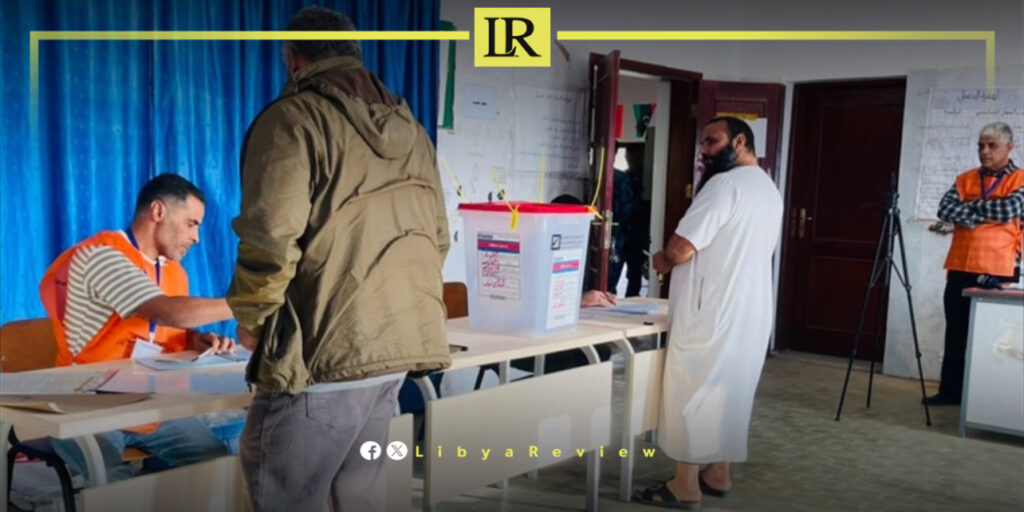
In a move aimed at strengthening the electoral process, the Parliament announced the completion of vacant seats in the National High Electoral Commission. This step follows a prolonged period of political tensions the country has experienced, as lawmakers seek to restore confidence in the electoral process.
Electoral processes in Libya are considered a vital step towards achieving stability, as citizens hope for free and fair elections that could help end the political chaos. However, the greatest challenge remains how to manage the electoral process under the current circumstances.
Background & Context
Historically, Libya has experienced numerous political tensions since the overthrow of Muammar Gaddafi's regime in 2011. Internal conflicts have led to the country being divided into two competing governments, negatively impacting efforts to build strong democratic institutions.
In recent years, various local and international parties have attempted to mediate a political dialogue to end the division, but these efforts have yet to yield the desired results. Nevertheless, completing the vacant seats in the commission represents a positive step towards achieving stability.
Impact & Consequences
Completing the vacant seats in the National High Electoral Commission may help enhance citizens' trust in the electoral process. It could also pave the way for upcoming elections, potentially leading to the formation of a new government capable of addressing the pressing issues facing the country.
However, the question remains regarding the Parliament's ability to overcome internal divisions and achieve consensus among the different parties. The success of this initiative largely depends on the lawmakers' ability to work together for the country's benefit.
Regional Significance
Libya serves as an important model for many Arab countries undergoing transitional phases. The success of the electoral process in Libya may encourage other nations to take similar steps towards achieving political stability.
Moreover, Libya's stability can contribute to enhancing regional security, benefiting neighboring countries facing similar challenges.
In conclusion, there is hope that these steps will contribute to the desired stability in Libya, opening doors to a better future for the Libyan people.