In Libya, pressure is mounting on the government to initiate an international investigation into oil contracts after a UN report unveiled suspicions of corruption in the sector. The 'National Consensus Bloc', which comprises 61 members out of 140 in the High State Council, has called for a comprehensive investigation in coordination with local judicial authorities.
In a letter addressed to the UN Secretary-General, the bloc emphasized the necessity of activating international mechanisms for tracking embezzled funds and providing technical support to the Attorney General's office and oversight bodies. They pointed out that the draft report reflects an unprecedented spread of corruption suspicions in the energy sector, threatening the state's resources and the stability of its institutions.
Details of the Event
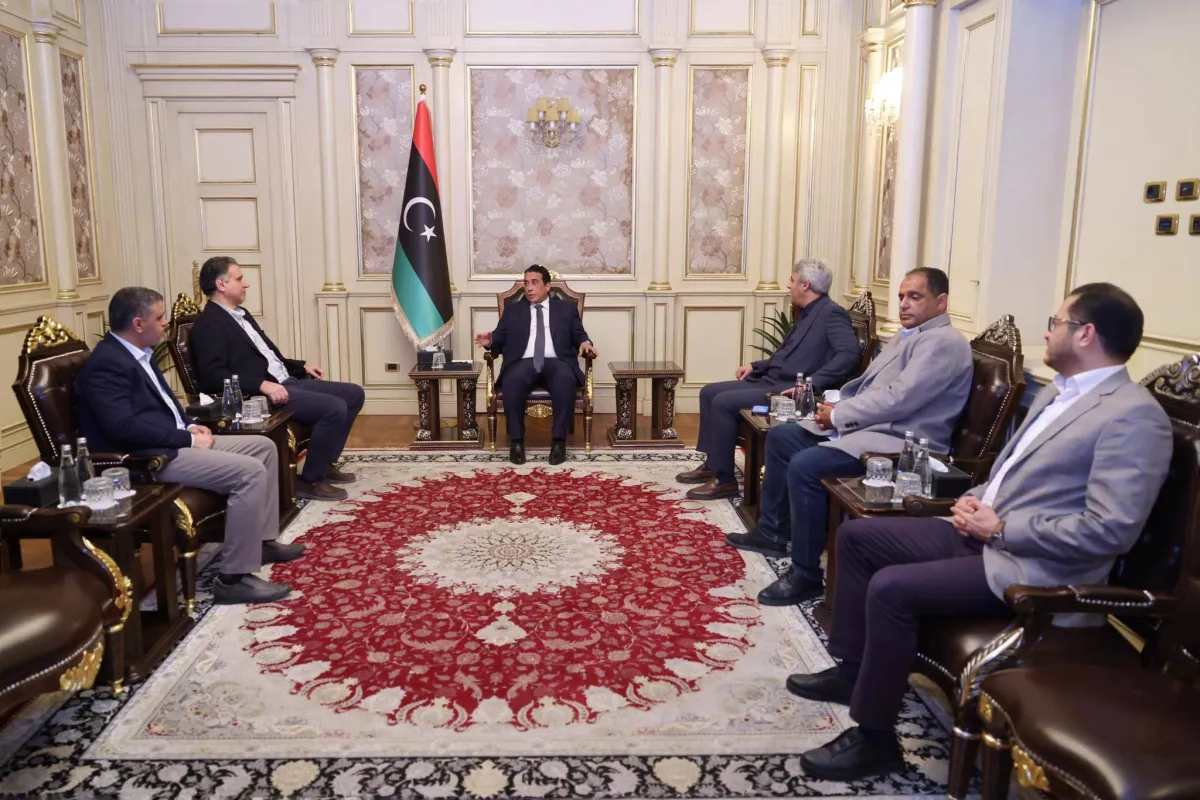
This move coincided with a meeting between the President of the Presidential Council, Mohamed Al-Menfi, and several members of the High State Council, where they discussed the work of the presidential committee tasked with reviewing oil and electricity contracts. This committee was formed last August in response to the raised suspicions surrounding the contracts.
The debate continues regarding a leaked draft report from the UN expert team, which indicated instances of corruption involving officials and military leaders, as well as armed group leaders. It is suspected that the private oil company 'Arknou' transferred approximately $3 billion to accounts outside Libya between January and November 2025.
Background & Context
The roots of this crisis stem from years of rampant corruption in the Libyan oil sector, which is considered one of the main sources of revenue for the country. Since 2011, Libya has experienced political and military divisions, adversely affecting the state's ability to manage its resources effectively.
In this context, the 'National Unity Government' led by Abdul Hamid Dbeibeh issued directives to terminate the development agreement with 'Arknou' and instructed the National Oil Corporation not to enter into any new agreements until the legal and technical aspects are reviewed.
Impact & Consequences
The repercussions of this crisis extend beyond the oil sector, impacting the political and social stability in the country. Experts have warned that the continuation of corruption in this sector could exacerbate economic and social crises and heighten tensions among various factions.
This issue may also pave the way for new international interventions, potentially complicating the situation further amid the ongoing political division. This scenario reflects the urgent need for radical reforms in Libya's judicial and administrative systems.
Regional Significance
Libya serves as an example of the challenges faced by Arab countries in combating corruption and promoting transparency. Corruption in the oil sector could affect relations among Arab states, particularly those that rely on Libya as a source of oil.
In conclusion, Libyans are looking for justice and accountability, which could contribute to restoring trust in government institutions and enhancing stability in the country.