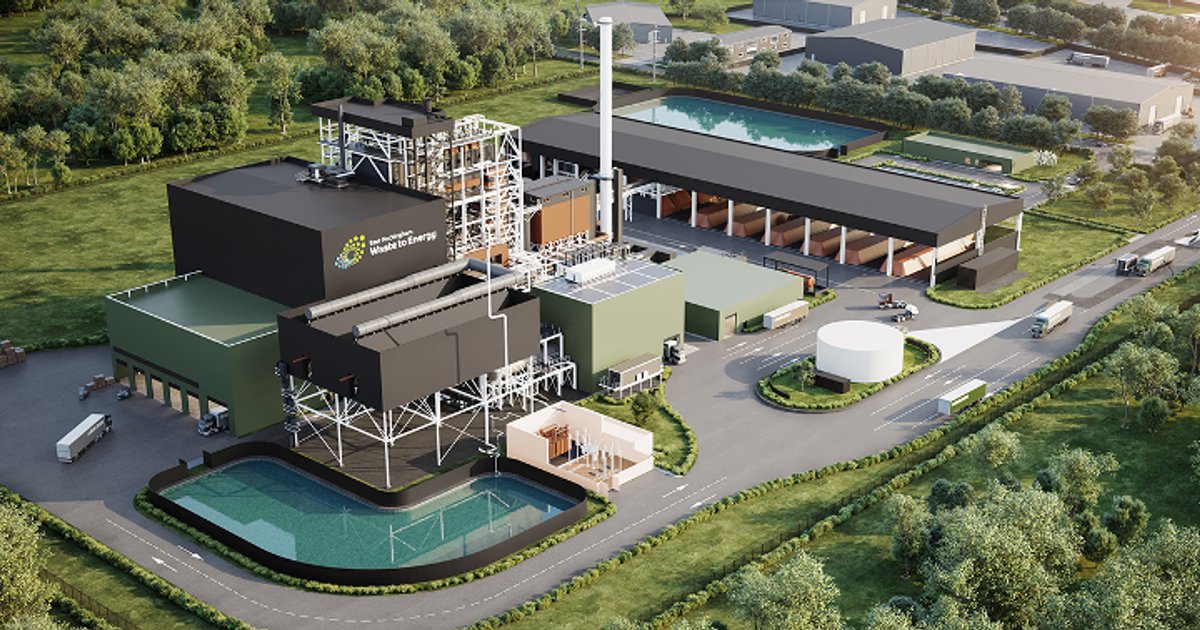
Four local governments in Bekalongan, which include Bekalongan Municipality, Bekalongan Regency, Batang Regency, and Malang Regency, have announced their readiness to develop a modern waste management system based on converting waste into electricity. This announcement comes at a time when the region is facing significant challenges related to waste management, necessitating prompt and effective actions.
In a statement by the Mayor of Bekalongan, Afzan Arslan Junid, it was confirmed that there is a strong commitment from local governments to tackle the waste problem. He explained that the project involves building a facility to convert waste into electricity, which is a crucial step in addressing the environmental challenges facing the region.
Project Details
The Mayor stated that all preliminary steps for the project have been prepared, starting from identifying suitable locations for the facility to signing cooperation agreements between local governments. He pointed out that the project represents a long-term solution to the waste issue, aiming to reduce the volume of waste produced and convert it into useful electricity.
According to officials' statements, local governments have so far managed to address about 50% of the waste problem, but greater efforts are still needed through collaboration between regions. The Mayor emphasized that cooperation among these four governments is vital, as the minimum waste required to operate the facility reaches 1000 tons per day.
Background & Context
The waste problem is one of the pressing issues facing many countries worldwide, including Indonesia. The amount of waste continues to increase due to population growth and urban expansion. Studies have shown that ineffective waste management can lead to serious environmental and health problems.
Indonesia, like many other countries, is seeking innovative and sustainable solutions to the waste problem. This initiative in Bekalongan could serve as a model for how to turn environmental challenges into economic opportunities through the use of modern technology.
Impact & Consequences
The waste-to-energy project is expected to have positive impacts on the environment and the local economy. In addition to reducing the volume of waste, the project will contribute to providing a new energy source that can help meet the increasing energy needs in the region.
This project may also open doors to new job opportunities in waste management and renewable energy sectors, thereby enhancing economic development in the area. Such projects are a step towards achieving sustainable development, contributing to environmental preservation and improving the quality of life for residents.
Regional Significance
The Bekalongan experience in waste management is a model that many Arab countries facing similar challenges could benefit from. With the increasing population and urban growth in Arab cities, waste management becomes an urgent issue that requires innovative solutions.
Arab countries can learn from this experience by adopting modern waste management technologies, contributing to sustainable development and environmental preservation. Additionally, cooperation among Arab nations in this field could lead to knowledge and experience exchange, enhancing the region's capacity to face environmental challenges.