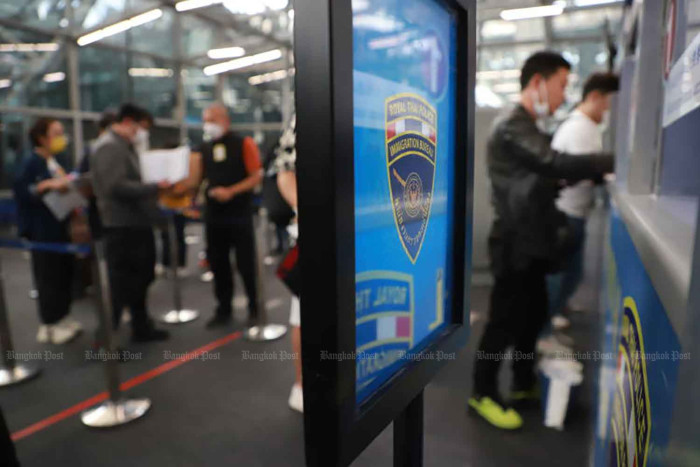
Expatriates in Thailand, such as Chinese national Koi Hing, are facing uncertainty regarding long-term residence visas. After moving to the country in July 2023 on a tourist visa, Koi decided to settle in Pattaya, where he applied for an educational visa (ED) to practice Muay Thai. However, as his visa was nearing expiration, he applied for the Thailand Elite Visa (DTV), aimed at remote workers, but faced an unexplained rejection.
The Thailand Elite Visa is a multi-entry visa that lasts for five years, allowing stays of up to 180 days per visit. However, Koi, who has committed no violations, is worried that bureaucratic hurdles may hinder his future in the country. He stated, "I just want to live here. The people in Thailand are friendly, and I feel comfortable here."
Details of the Situation
Koi Hing's case illustrates how many expatriates in Thailand find themselves in a bureaucratic gray area. Koi applied for the Thailand Elite Visa after feeling that his educational visa would not provide the stability he needed. However, his application was rejected without any explanation, increasing his anxiety about his future in the country.
At the same time, concerns are growing about the reduction of visa-free tourist stays to 30 days, which could complicate the situation for expatriates. Although Koi could return to Thailand as a visitor, he feels that this option may place him in an unstable position.
Background & Context
Historically, Thailand has been a favored destination for many expatriates due to its rich culture and open social environment. However, changes in visa and residency policies have impacted numerous individuals seeking to live in the country. In recent years, the Thai government has begun to impose stricter restrictions on visas, making it challenging for expatriates to settle legally.
Long-term residence visas are part of Thailand's strategy to attract investors and remote workers, but bureaucratic challenges may hinder these efforts. Many expatriates feel trapped between their desire to live in Thailand and the increasing restrictions on residency.
Impact & Consequences
Koi Hing's situation reveals an invisible group of foreigners living in Thailand, who are neither tourists nor criminals, but long-term residents facing an unclear system. Uncertainty regarding visas may affect many expatriates' decisions to stay or leave, potentially leading to negative impacts on the local economy.
If the government continues to impose stricter restrictions, it may result in a decline in the number of expatriates, which would affect sectors such as tourism and services. Additionally, financial pressures on expatriates may increase social tensions in the country.
Regional Significance
The issue of long-term residence visas in Thailand exemplifies the challenges faced by expatriates in many countries. In the Arab world, expatriates also encounter similar challenges related to visas and residency. Understanding these dynamics can help improve policies regarding expatriates in Arab countries.
Ultimately, Koi Hing's case serves as a model for an expatriate seeking to live in a more open environment, but bureaucratic systems may obstruct the realization of this dream. The need for improved visa and residency policies remains pressing, not only in Thailand but globally.