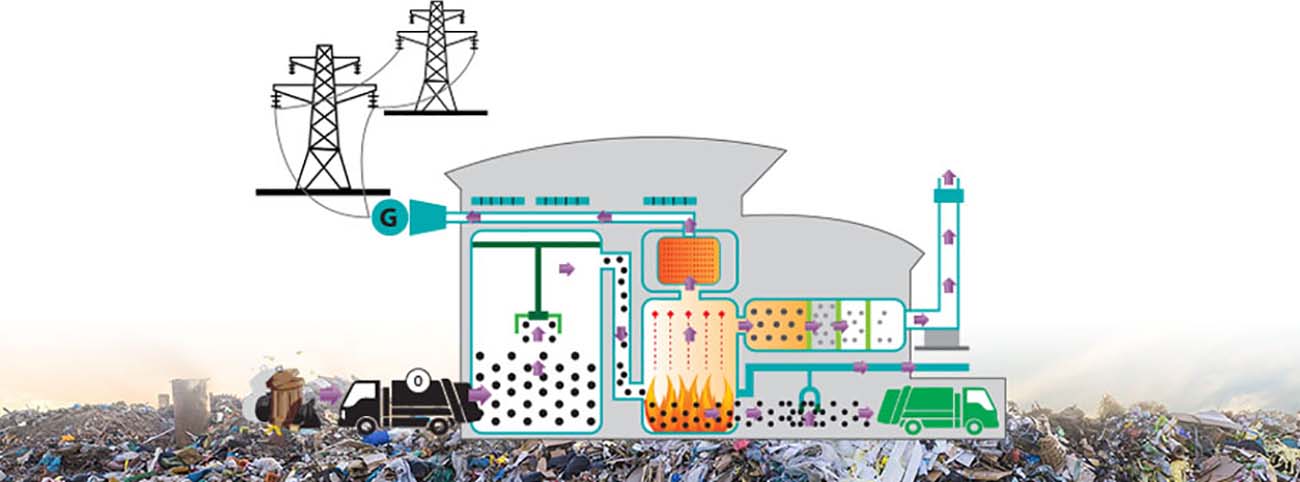
The government of Macassar, Indonesia, has unveiled its ambitious plans to expedite the development of a waste-to-energy project (PSEL), targeting a waste-free environment by 2029. This announcement comes at a time when environmental challenges related to waste management are increasing, necessitating effective actions to improve the city's environmental status.
Macassar, one of the largest cities in Indonesia, aims to tackle the growing waste problem by utilizing modern technologies to convert waste into energy. This project is considered part of the local government's vision to enhance environmental sustainability and improve the quality of life for its citizens.
Event Details
The Macassar plan includes the establishment of specialized facilities for converting waste into energy, where advanced technologies will be employed to transform both organic and inorganic waste into electricity. The government aims to reduce the amount of waste sent to landfills, which will contribute to lowering pollution and improving public health.
The government also confirmed that the project will create new job opportunities in the fields of waste management and renewable energy, thereby boosting the local economy and increasing environmental awareness among residents. The first phase of the project is expected to be completed by 2025, paving the way for achieving the set goals for 2029.
Background & Context
Many major cities in Indonesia face significant challenges in waste management, as the volume of waste continues to rise due to population growth and urban expansion. These challenges have exacerbated pollution and environmental issues, prompting local governments to seek innovative and sustainable solutions.
Macassar is considered one of the leading cities in Indonesia in the field of environmental innovation, having previously implemented several projects aimed at improving waste management. However, the waste-to-energy project represents a new step towards achieving sustainable development goals.
Impact & Consequences
The waste-to-energy project is expected to have positive effects on the environment and public health in Macassar. By reducing the amount of waste sent to landfills, pollution resulting from waste decomposition will decrease, leading to improved air and water quality.
Moreover, this project could serve as a model for other cities in Indonesia and developing countries, as it may contribute to achieving environmental sustainability goals and enhance communities' ability to face environmental challenges.
Regional Significance
Arab countries could benefit from Macassar's experience in waste management and energy conversion, especially given the environmental challenges faced by many Arab cities. With increasing population growth and urban expansion, the need for innovative waste management solutions becomes more urgent.
Waste-to-energy projects represent an opportunity to enhance environmental sustainability in the Arab region, as they can help reduce reliance on traditional energy sources and create new job opportunities. Additionally, exchanging experiences between Arab countries and Indonesia in this field could enhance the capabilities of nations to tackle environmental challenges.