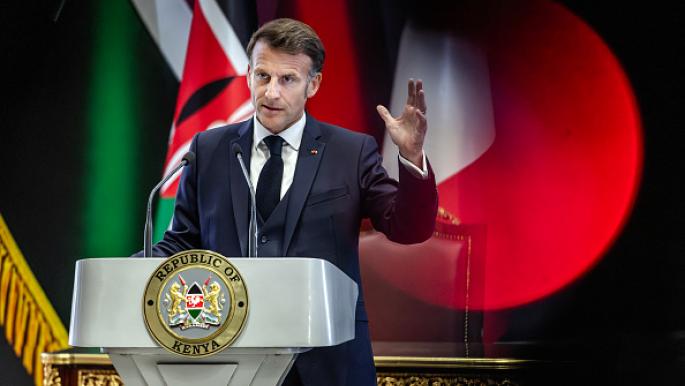
French President Emmanuel Macron stated on Sunday that his country has never considered deploying warships in the Hormuz Strait. He explained that the goal is to secure maritime navigation, but through direct coordination with Iran.
These statements come at a sensitive time when the region is experiencing increasing tensions, as the Hormuz Strait is one of the most important maritime passages in the world, through which approximately 20% of the world's oil passes. Macron's remarks raised questions about France's stance on security conditions in the region and its willingness to cooperate with Iran in this context.
Details of the Event
In his remarks, Macron indicated that France aims to achieve stability in the region through dialogue and cooperation rather than military escalation. He noted that any military movements should be well-considered and come within the framework of coordination with the concerned countries, including Iran.
Macron also emphasized the importance of maintaining freedom of navigation in the Hormuz Strait, pointing out that any threat to this freedom would impact the global economy. He clarified that France is working to enhance cooperation with its international partners to ensure the safety of maritime navigation.
Background & Context
Historically, the Hormuz Strait has witnessed numerous crises and tensions, especially amid regional conflicts between Iran and Western countries. There have been previous attempts by some Western nations to bolster their military presence in the region, raising concerns about escalating conflict.
In recent years, there have been calls from some countries to form military alliances to ensure the security of navigation in the strait, but these steps have faced criticism from Iran, which views any military presence in the region as a threat to its sovereignty.
Impact & Consequences
Macron's statements come at a critical time, as fears of escalating tensions in the region are growing. The decision not to consider deploying warships may contribute to easing tensions and reflects France's desire to promote dialogue instead of escalation.
These statements could affect relations between France and Iran, potentially opening new avenues for cooperation in maritime security. They may also encourage other countries to adopt a similar approach in dealing with regional crises.
Regional Significance
Macron's statements represent a turning point in how Western countries address security issues in the Gulf region. Strengthening cooperation with Iran could contribute to achieving stability in the area, benefiting Arab countries that rely on the Hormuz Strait for their oil exports.
Amid ongoing tensions, these initiatives may present an opportunity to enhance regional security, contributing to improved economic conditions for Arab nations and bolstering stability in the region.