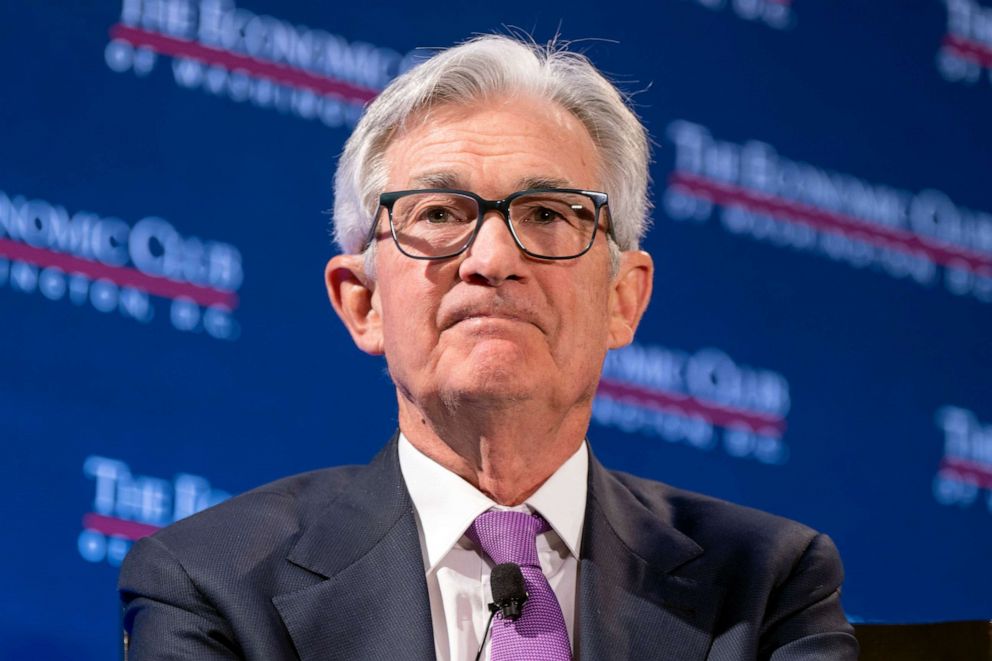
Jerome Powell, the Chair of the Federal Reserve (the US central bank), confirmed that long-term inflation expectations in the United States remain under control, noting that the board is closely monitoring these expectations. These statements come at a sensitive time as the board evaluates the impact of the ongoing conflict between the United States and Israel on one side and Iran on the other on the US economy.
In light of changing global economic conditions, inflation is one of the most prominent challenges facing the US economy. Recent data has shown that inflation rates have experienced fluctuations, prompting the Federal Reserve to take precautionary measures to ensure price stability and economic growth.
Details of the Event
During a press conference, Powell explained that the board is closely following inflation expectations, emphasizing that stability in these expectations is vital for maintaining confidence in the economy. He also pointed out that geopolitical events, including the conflict in the Middle East, could affect supply chains and prices, necessitating further monitoring.
Powell's remarks come at a time when financial markets are experiencing volatility, as investors react to news related to military and political conflicts. Powell expressed cautious optimism, affirming that the board is committed to taking necessary steps to maintain economic stability.
Background & Context
Historically, the United States has experienced periods of high inflation, especially during economic crises. In recent years, there have been concerns that geopolitical crises could increase inflationary pressures. The spread of the COVID-19 pandemic has exacerbated these pressures, leading the Federal Reserve to adopt unconventional measures to support the economy.
In this context, inflation is one of the key economic indicators monitored by the federal government. The Federal Reserve relies on a range of monetary tools, including raising interest rates, to control inflation and ensure economic stability.
Impact & Consequences
Inflation expectations affect many aspects of the US economy, including investment and spending decisions. If inflationary pressures persist, the Federal Reserve may be forced to take more drastic measures, such as repeatedly raising interest rates, which could impact economic growth.
Additionally, geopolitical tensions may lead to increased uncertainty in the markets, which could affect confidence in the economy. If conditions worsen, the US economy could face further pressures, necessitating a swift response from economic policymakers.
Regional Significance
The tensions in the Middle East, particularly the conflict between the United States, Israel, and Iran, are influential factors on the global economy. These conflicts can lead to rising oil and commodity prices, impacting Arab countries that heavily rely on these resources.
Moreover, the stability of the US economy has a direct impact on the Arab economy, as many Arab countries have strong trade and investment ties with the United States. Therefore, any changes in US monetary policy could affect investment flows to the region.
In conclusion, the economic situation in the United States remains under close watch, as the Federal Reserve seeks to balance controlling inflation with supporting economic growth. Current challenges require an effective response from policymakers to ensure the stability of both the US and global economies.