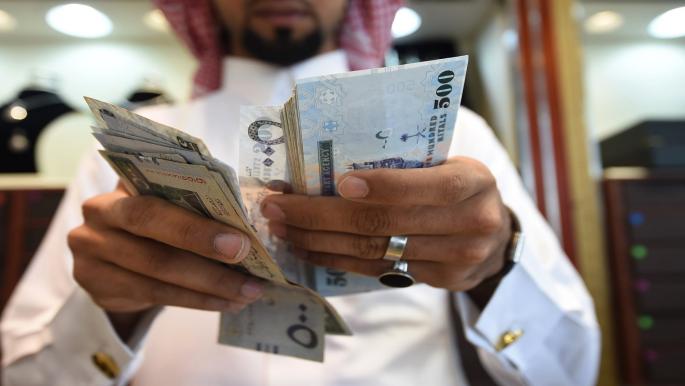
Despite escalating military tensions between the United States and Israel on one side and Iran on the other, Gulf currencies have shown remarkable stability. This stability comes at a sensitive time characterized by regional tensions, reflecting the strength of the Gulf economy and its ability to face challenges.
Reports indicate that Gulf currencies, particularly the Saudi Riyal and the Kuwaiti Dinar, have maintained their value against the US Dollar, reflecting confidence in the economic and monetary policies adopted by the countries in the region. This resilience is considered a positive indicator of these countries' ability to handle global and local crises.
Details of the Situation
Amid the escalating tensions between the United States and Iran, which include mutual military threats, Gulf currencies stand out as a safe haven for investors. Data has shown that the Saudi Riyal, regarded as one of the strongest Gulf currencies, has continued to maintain its stable value, reflecting the stability of the Saudi economy.
Furthermore, the Kuwaiti Dinar, known as one of the most valuable currencies in the world, has not been significantly affected by regional tensions, indicating the strength of the Kuwaiti economy and its ability to face challenges. This stability in Gulf currencies can be attributed to several factors, including high oil prices and the substantial financial reserves held by these countries.
Background & Context
Historically, Gulf currencies have been closely linked to oil prices, as the economies of these countries heavily depend on oil exports. With rising oil prices in global markets, Gulf countries have been able to bolster their financial reserves, contributing to the stability of their currencies.
Moreover, the well-considered monetary policies adopted by central banks in Gulf countries, such as fixing exchange rates, play an important role in maintaining currency stability. These policies aim to enhance confidence in the local economy and attract foreign investments.
Impact & Consequences
The stability of Gulf currencies amid regional tensions could have positive effects on the global economy. As these countries continue to maintain their currency stability, they can become an attractive destination for investors, enhancing the flow of foreign investments.
This stability may also contribute to strengthening trade relations between Gulf countries and others, promoting economic growth in the region. However, these countries must remain cautious of sudden changes in global markets, which could affect the stability of their currencies.
Regional Significance
The stability of Gulf currencies is a positive indicator for other Arab countries, as it can enhance confidence in other Arab economies. Amid the economic challenges facing some Arab countries, this stability demonstrates the potential for growth and development even in times of crisis.
Additionally, this stability may contribute to improving economic relations between Gulf countries and other Arab nations, enhancing regional cooperation and contributing to sustainable development.
In conclusion, the resilience of Gulf currencies amid regional tensions showcases these countries' ability to face economic challenges. With rising oil prices and well-considered monetary policies, these nations can continue to enhance their economic stability and attract investments.