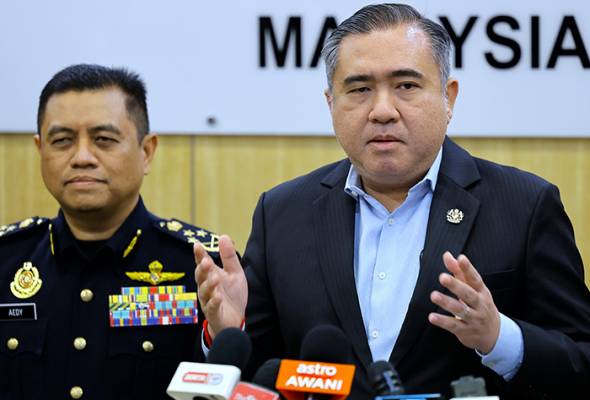
Malaysia has announced plans to modify its land border management with Singapore, which may lead to delays in traveler movement at checkpoints. This decision follows Singapore's enhancement of security measures for travelers, goods, and vehicles since February 28 due to rising global security concerns.
In a statement, the Director General of the Malaysian Border Security Agency, Mohamed Shahili Mohamed Zain, confirmed that Malaysia respects Singapore's decision and will make the necessary adjustments at its borders. He noted that these adjustments may include all checkpoints in Malaysia, but it is not yet clear if they will be limited only to the land borders with Singapore.
Details of the Event
This step comes at a time when travelers are experiencing increased congestion at the borders, with videos and images circulating on social media showing traffic jams on the Johor-Singapore bridge. Shahili advised Malaysian citizens who commute daily to Singapore to plan their trips carefully to avoid congestion during peak hours.
In a related context, Singapore's Minister for Home Affairs, K. Shanmugam, met with the Minister of Johor, Onn Hafiz Ghazi, to discuss enhancing strategic cooperation between the two sides. During the meeting, a new system was presented to facilitate immigration procedures based on QR codes and facial recognition technology, which enhances border security and speeds up traffic flow.
Background & Context
The border between Malaysia and Singapore is considered one of the busiest checkpoints in the world, with an estimated 300,000 people crossing the border daily. The Singapore Immigration Authority has projected that this number could rise to about 400,000 by 2050. These adjustments are part of both sides' efforts to improve border management and facilitate traffic, especially with the development of the Johor-Singapore Special Economic Zone.
Historically, relations between Malaysia and Singapore have seen various developments, with periods of both cooperation and tension. However, enhancing security and economic cooperation between the two countries is a positive step towards achieving stability and development in the region.
Impact & Consequences
These new measures are expected to significantly affect traveler movement, as many may face delays in crossing the border. However, improving security procedures could help build trust between the two countries and reduce security risks. Additionally, the use of modern technology in immigration procedures may facilitate traffic flow and alleviate congestion.
Furthermore, strengthening cooperation between Malaysia and Singapore in the field of security could open new avenues for economic collaboration, especially amid ongoing developments in the Johor-Singapore Special Economic Zone. This cooperation could contribute to attracting investments and boosting economic growth in the region.
Regional Significance
Although this news pertains to Malaysia and Singapore, there are lessons that Arab countries can learn regarding border management and enhancing security. Amid increasing security challenges, Arab nations can benefit from exchanging experiences and cooperating in security matters, thereby contributing to regional stability.
In conclusion, these developments reflect the importance of international cooperation in addressing security challenges and highlight the need to improve border management in line with global standards. Strengthening relations between countries can contribute to achieving sustainable development and regional security.