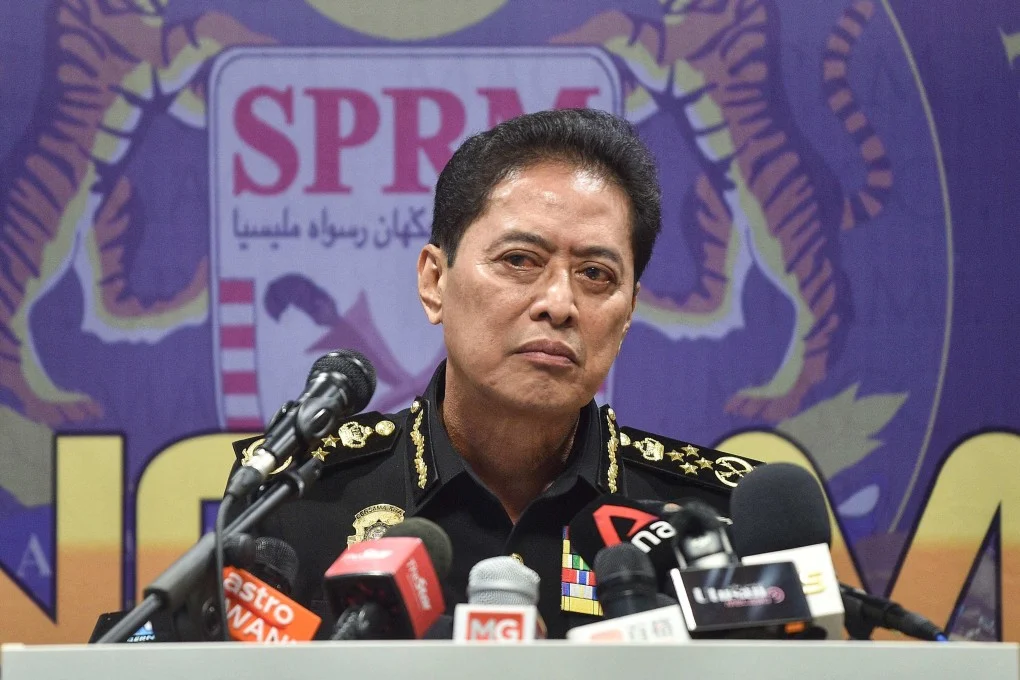
The Malaysian government has strongly denied allegations reported in a news article, stating that Prime Minister Anwar Ibrahim attempted to delay the publication of the investigation results regarding the head of the Malaysian Anti-Corruption Commission (MACC). The government affirmed that it would take legal action against these claims, which arise at a sensitive time for Anwar, who is facing increasing pressure due to a series of accusations related to the commission and its leader.
These developments come at a time when Anwar is under mounting pressure due to multiple corruption cases, threatening his reformist image and credibility in fighting corruption. These allegations have raised questions about the integrity of the current government and its ability to effectively address corruption issues.
Details of the Incident
In an official statement, the Malaysian government firmly rejected the allegations suggesting Anwar's interference in the investigations. It clarified that any delay in publishing the results is not due to any political pressure but is part of standard legal procedures. The government also confirmed its intention to pursue any entity or individual promoting such false claims.
These statements come at a critical time as Anwar seeks to bolster his position as a reformist leader in the country. The MACC has faced increasing criticism for its inability to effectively tackle corruption issues, adding to the pressure on the government.
Background & Context
Historically, Malaysia has witnessed numerous corruption cases that have impacted the government's reputation. In recent years, there have been growing calls for reforms in the anti-corruption system, especially following the infamous 1MDB scandal that shook the nation. Anwar has pledged to implement comprehensive reforms in this area, placing him under scrutiny whenever any signs of lack of transparency or corruption emerge.
The Malaysian Anti-Corruption Commission is one of the key institutions in combating corruption in the country, established to promote transparency and integrity. However, any accusations regarding its integrity could negatively impact the government's efforts in fighting corruption.
Impact & Consequences
These allegations could increase the pressure on Anwar and his government, potentially affecting the stability of the current administration. If the government fails to demonstrate its integrity and transparency, it may lead to a loss of public trust, which could negatively reflect on the political and economic performance of the country.
This issue could also impact Malaysia's international relations, as the country seeks to attract foreign investments and enhance international cooperation in combating corruption. Any decline in trust could hinder these efforts.
Regional Significance
Corruption issues and their combat are significant concerns in many Arab countries, where numerous governments face similar challenges. Malaysia's experience in dealing with these issues may offer valuable lessons for Arab nations striving to enhance transparency and integrity in their governments.
Ultimately, the issue of combating corruption in Malaysia remains a focal point for the world, as the government aims to prove its ability to implement the necessary reforms and regain public trust.