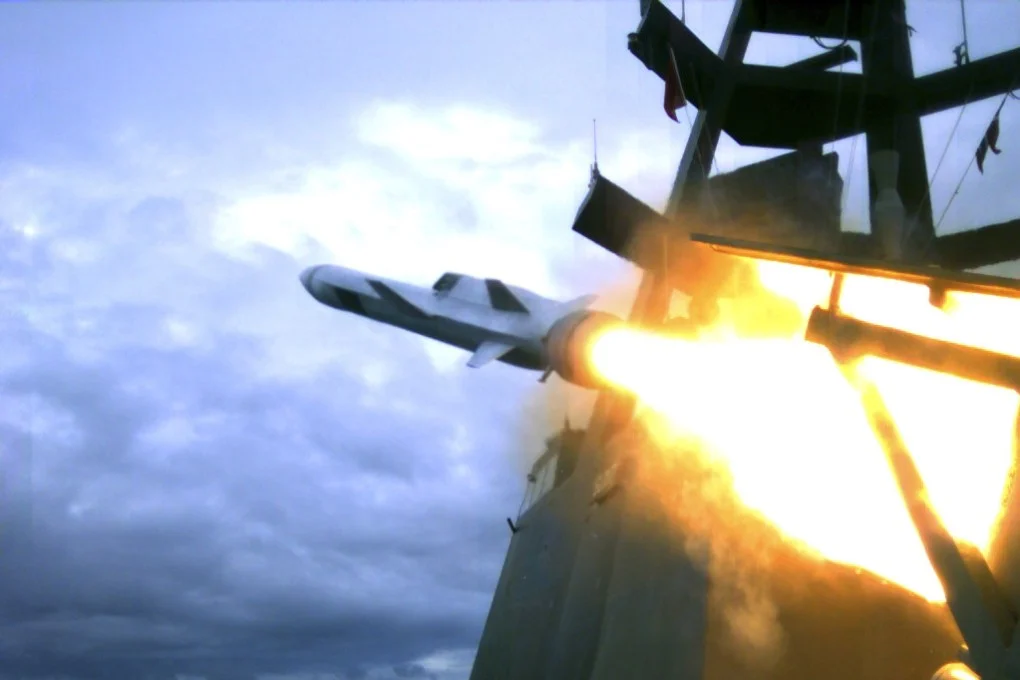
The Norwegian government has announced a ban on the export of an advanced missile system that was scheduled for use on Malaysian warships, raising significant concerns about the Malaysian navy's ability to enhance its presence in the South China Sea. This decision could lead to additional complications in the navy's modernization project, which is one of the Malaysian government's priorities.
The Malaysian navy faces substantial challenges due to this ban, as the new combat ships it has been waiting for over a decade have yet to be delivered. These ships, known as coastal combat vessels, were intended to bolster the country's capacity to protect its territorial waters from external threats, especially amid rising tensions in the South China Sea.
Details of the Ban
The Norwegian ban comes at a sensitive time, as Malaysia seeks to enhance its defense capabilities in response to increasing challenges in the South China Sea. This sea, regarded as one of the busiest waterways in the world, is witnessing ongoing territorial disputes among several nations, making the modernization of the Malaysian navy essential.
Concerns are growing that the Norwegian ban may lead to further delays in the delivery of new combat ships, hindering the navy's ability to confront intruding vessels approaching its exclusive economic zone. Analysts have indicated that this situation may place additional pressure on the Malaysian government to secure rapid alternatives.
Background & Context
Historically, Malaysia has relied on international partnerships to modernize its military capabilities. However, current geopolitical tensions may complicate the acquisition of modern military equipment. The Norwegian ban reflects the challenges faced by smaller nations in securing their defense needs amid a complex international environment.
For years, Malaysia has been striving to update its naval fleet, as the navy is a crucial part of its defense strategy. However, delays in the delivery of new combat ships could weaken its ability to safeguard its national interests in the South China Sea.
Impact & Consequences
The Norwegian ban could have negative repercussions on regional security, as neighboring countries like China may feel they have greater leeway to operate in disputed waters. This situation could escalate tensions in the region and make it difficult for Malaysia to enhance its military presence.
Moreover, delays in modernizing the navy may affect Malaysia's relations with other countries that it relies on for military equipment. The Malaysian government may be forced to seek alternatives, potentially leading to additional costs and delays in implementing its defense projects.
Regional Significance
While Malaysia focuses on modernizing its naval capabilities, Arab nations are also facing similar challenges in securing their national interests. Tensions in the Red Sea and the Arabian Gulf highlight the importance of enhancing the naval military capabilities of Arab states.
Furthermore, military cooperation between Arab nations and countries like Malaysia could contribute to strengthening regional security, allowing Arab states to benefit from Malaysian experiences in modernizing their naval fleets.
In conclusion, Norway's ban on missiles poses a significant challenge for the Malaysian navy and reflects the difficulties faced by smaller nations in securing their defense needs. A swift response from the Malaysian government is required to ensure the protection of its interests in the South China Sea.