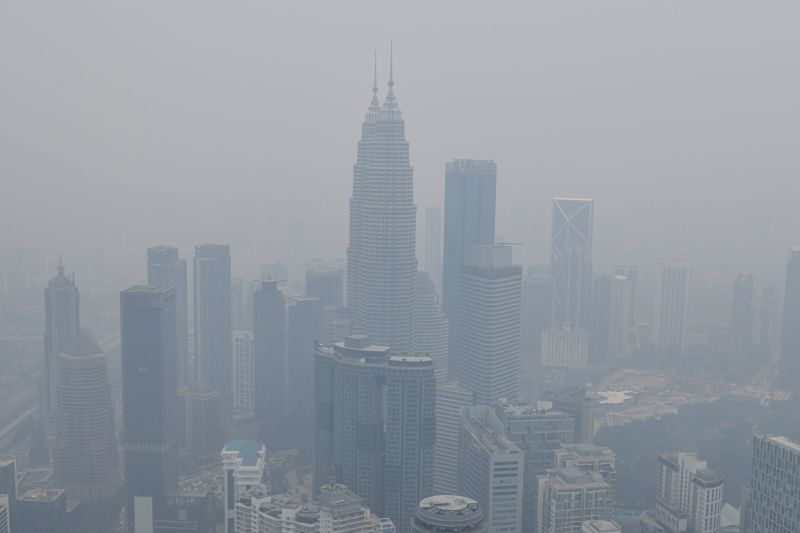
The Malaysian government, led by Prime Minister Anwar Ibrahim, has announced the implementation of a work-from-home policy starting from April 15. This initiative is part of its efforts to conserve energy amid the current crisis affecting global fuel supplies due to the war in the Middle East.
This announcement was made during a special press conference, where Ibrahim emphasized that this step aims to reduce fuel consumption and ensure the stability of energy supplies in the country. He did not provide additional details, indicating that more information will be announced later.
Details of the Announcement
This policy comes at a time when Malaysia is experiencing the effects of the war in the Middle East, which has led to rising global oil prices. Malaysia is known for subsidizing fuel prices, with eligible citizens paying around 1.99 Malaysian Ringgit (approximately 0.49 US dollars) per liter for unsubsidized gasoline.
With the increase in global oil prices, Ibrahim announced a reduction in the subsidized fuel quota from 300 liters to 200 liters per month. Meanwhile, the prices of unsubsidized fuel will continue to follow global market prices.
Background & Context
Historically, Malaysia has heavily relied on fuel price subsidies as part of its economic policies, which have contributed to price stability for citizens. However, changes in the global market, especially amid political crises such as the war in the Middle East, directly impact these policies.
The Strait of Hormuz, a vital transit point for oil shipments, is currently a center of concern, as Iran has effectively closed this passage. Malaysian Foreign Minister
Impact & Consequences
This move is seen as a swift response from the Malaysian government to the economic challenges facing the country. The reduction in the subsidized fuel quota may affect citizens' lives, especially amid rising living costs.
Additionally, the work-from-home policy may bring changes to traditional work patterns, potentially leading to a reevaluation of how businesses are managed in the future. This step could mark the beginning of new policies aimed at promoting sustainability and conserving resources.
Regional Significance
These developments in Malaysia illustrate how regional crises impact distant countries, including Arab nations. The war in the Middle East has wide-ranging implications for oil prices, affecting the economies of Arab countries that heavily rely on oil exports.
This crisis presents an opportunity for Arab nations to rethink their economic strategies and enhance diversification in income sources, rather than relying solely on oil.
In conclusion, the work-from-home policy announced by Malaysia is a significant step in addressing global economic challenges. Other countries are expected to follow this experience, especially under the current circumstances.