The Malaysian government has announced new measures aimed at rationalizing energy consumption in government institutions, where the temperature of air conditioning in government buildings has been set at 24 degrees Celsius. This was stated in a special announcement by Deputy Prime Minister Fadhl Yusof, who emphasized the importance of this step in the government's efforts to tackle environmental challenges.
During a press conference, Yusof pointed out that the government encourages civil service employees to wear clothing suitable for the local climate, such as batik or formal shirts, to reduce excessive reliance on air conditioning. In this way, the government aims to set an example in the wise use of energy.
Details of the Initiative
These measures come at a time when Malaysia is facing increasing challenges in the energy sector, as the government seeks to raise public awareness about the importance of rationalizing consumption. Yusof confirmed that the government is committed to providing the necessary information to citizens regarding the new policies, noting that transparency in communication with the public is a government priority.
He also indicated that the country's energy supplies remain sufficient and stable, and that these steps are a precautionary measure to address potential impacts from global crises, including those in the Middle East.
Background & Context
Historically, Malaysia has witnessed several attempts to rationalize energy consumption, especially in light of climate change and economic pressures. Studies have shown that reducing energy consumption in government institutions can significantly contribute to lowering carbon emissions and improving the environment.
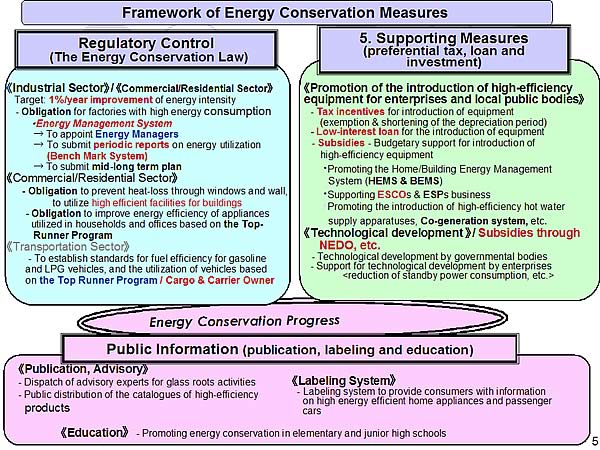
The Malaysian government has previously launched several initiatives aimed at enhancing energy efficiency, including the use of renewable energy sources. However, challenges remain, necessitating new and innovative strategies.
Impact & Consequences
These measures could lead to positive environmental impacts, as they are expected to contribute to reduced energy consumption and lower harmful emissions. Additionally, this step may encourage private companies to take similar actions, thereby enhancing the country's efforts to combat climate change.
Moreover, these policies could help raise public awareness about the importance of rationalizing energy consumption, potentially leading to positive behavioral changes within the community.
Regional Significance
In light of the environmental challenges faced by many Arab countries, Malaysia's experience in rationalizing energy consumption could serve as a model to follow. Many Arab nations suffer from rising temperatures and increased energy consumption, necessitating similar actions.
This experience could enhance cooperation among Arab countries in the field of renewable energy and consumption rationalization, benefiting both the environment and the economy in the region.