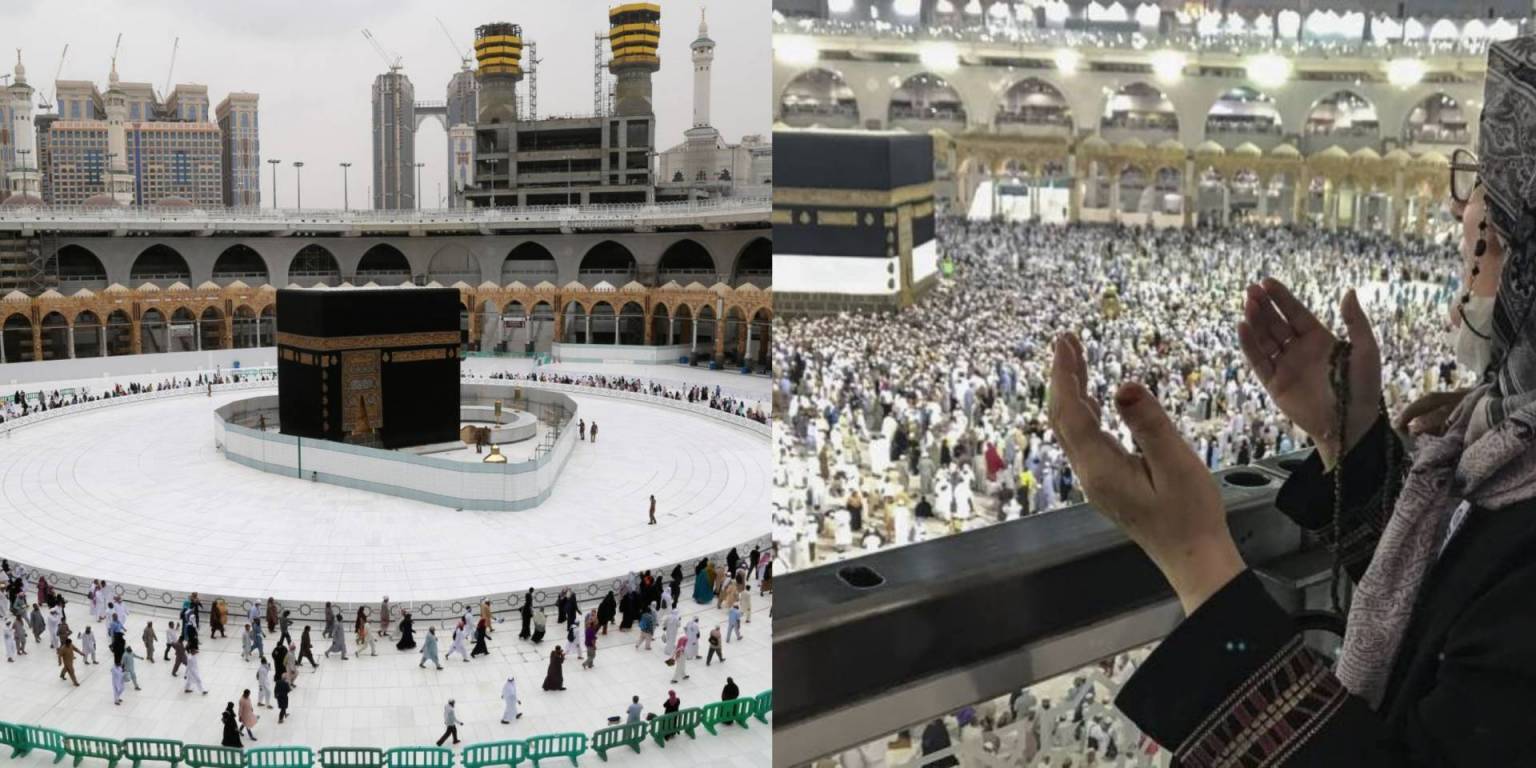
The Ministry of Hajj and Umrah in the Kingdom of Saudi Arabia has mandated the meningitis vaccination as a requirement for domestic pilgrims, as part of ongoing efforts to ensure the health and safety of pilgrims during the Hajj season. This decision comes in response to the health challenges that pilgrims may face, especially in light of current global conditions.
The ministry aims through this measure to reduce the risks of infectious diseases spreading among pilgrims, as vaccination against meningitis is considered one of the most important preventive measures. The ministry has confirmed that this vaccination must be administered well in advance of the Hajj to ensure its effectiveness.
Details of the Announcement
Meningitis is a serious disease that can easily spread among individuals, particularly in large gatherings such as Hajj. Officials from the Ministry of Hajj and Umrah have indicated that this decision reflects the Saudi government's commitment to providing a healthy and safe environment for pilgrims. The importance of adhering to other health measures, such as wearing masks and maintaining social distancing, has also been emphasized.
It is worth noting that the ministry has launched a comprehensive awareness campaign to educate pilgrims about the importance of vaccination and the health measures that must be followed. Health centers have been established in various regions of the Kingdom to facilitate the vaccination process.
Background & Context
Historically, the Kingdom of Saudi Arabia has faced numerous health challenges during Hajj seasons, prompting the government to implement strict preventive measures. In previous years, mandatory vaccinations against diseases such as yellow fever and hepatitis have been enforced. With the outbreak of the COVID-19 pandemic, the ministry has intensified its precautionary measures to ensure the safety of pilgrims.
This step is part of a broader strategy aimed at enhancing public health in the Kingdom, especially with the increasing number of pilgrims each year. This year's Hajj season is expected to attract a large number of pilgrims, necessitating effective health measures.
Impact & Consequences
This decision is expected to have a positive impact on the health of pilgrims, as it will help reduce the likelihood of meningitis spreading among them. Furthermore, this decision reflects the Saudi government's commitment to providing a healthy and safe environment, which may increase pilgrims' confidence in traveling to the Kingdom.
Moreover, this measure could enhance cooperation between the Ministry of Hajj and Umrah and other health authorities in the Kingdom, contributing to the improvement of health services provided to pilgrims.
Regional Significance
The Hajj season is an important event not only for the Kingdom of Saudi Arabia but for the entire Arab region. It attracts pilgrims from various Arab and Islamic countries, making it essential to implement effective health measures. The Kingdom's experience in managing public health during Hajj may influence other countries hosting large religious events.
In light of global health challenges, the Kingdom's experience could serve as a model for how to handle epidemics and mitigate their spread during large gatherings.
In conclusion, the Ministry of Hajj and Umrah's decision to mandate meningitis vaccination for domestic pilgrims is a significant step towards enhancing public health and ensuring the safety of pilgrims. With ongoing awareness efforts and health measures, the ministry hopes to achieve a safe and healthy Hajj season for all.