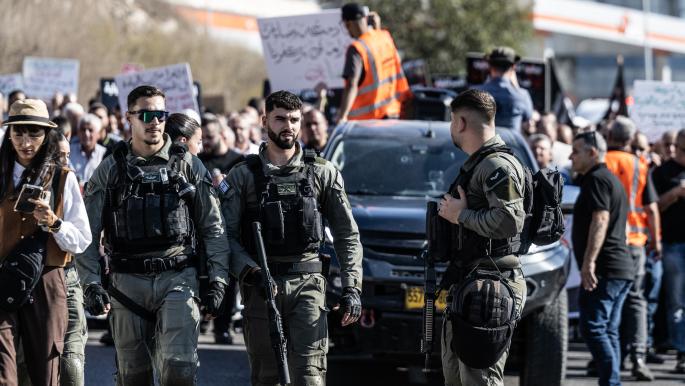
Fifty years after the Land Day events of 1976, Israeli authorities continue to implement repressive policies targeting Palestinians in the occupied territories of 1948. These policies include land confiscation and legal restrictions, exacerbating the suffering of the Palestinian community within Israel.
The events of Land Day are a landmark in the history of Palestinian struggle, as protests erupted on March 30, 1976, against land confiscations by Israeli authorities. These events resulted in the martyrdom of six Palestinians, igniting a spark of national awareness among Palestinians in Israel.
Details of the Event
In recent years, the occupied Palestinian territories have witnessed an escalation in land confiscation operations, as Israeli authorities continue to expand settlements at the expense of Palestinian lands. According to human rights reports, more than 300,000 dunams of Palestinian land have been confiscated since 1948, leading to worsening social and economic crises within the Palestinian community.
Moreover, instances of arrests and restrictions on political and social activities have increased, as these measures represent part of a comprehensive strategy aimed at undermining Palestinian identity within Israel.
Background & Context
The roots of Israeli repression against Palestinians in Israel trace back to the Nakba of 1948, during which thousands of Palestinians were displaced. Since then, Palestinians in Israel have faced discriminatory policies aimed at undermining their basic rights. The past decades have seen repeated attempts by Israeli authorities to diminish the Palestinian presence, whether through laws or daily practices.
These policies also involve imposing restrictions on freedom of expression and organization, making it difficult for Palestinians to voice their demands and rights. Tensions between Palestinians and Israeli authorities continue to escalate, increasing the likelihood of further protests and confrontations.
Impact & Consequences
Repressive policies significantly affect the daily lives of Palestinians in Israel, as communities suffer from a lack of basic services such as education and health. The loss of land negatively impacts the local economy, leading to widespread unemployment and poverty.
Furthermore, these policies contribute to heightened feelings of frustration and despair among Palestinian youth, potentially exacerbating social and psychological crises. Under these circumstances, the struggle for the rights of Palestinians in Israel continues, as many seek to preserve their identity and rights despite the challenges.
Regional Significance
The Palestinian issue is one of the central issues in the Arab world, as events in the occupied territories provoke widespread reactions in Arab countries. The ongoing Israeli repression of Palestinians in Israel reflects the challenges faced by the entire region and reinforces the necessity of Arab solidarity with the Palestinian cause.
Additionally, the events associated with Land Day remind Arabs of the importance of unity and solidarity in facing common challenges, especially amid the political and economic crises many Arab countries are experiencing.
In conclusion, Land Day remains a symbol of the Palestinian struggle, reflecting the ongoing challenges faced by Palestinians in Israel. Commemorating this anniversary requires all of us to think about ways to support Palestinian rights and work towards achieving justice in the region.