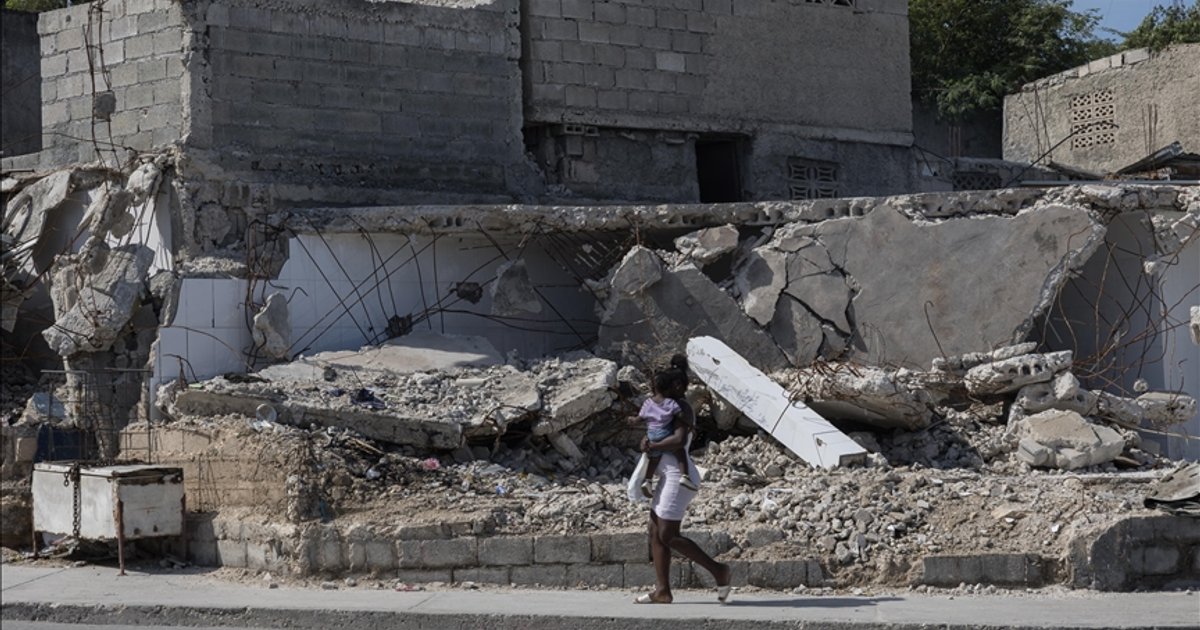
A horrific massacre in the Artibonite region of Haiti has resulted in the deaths of at least 70 people and injuries to 30 others, forcing around 6,000 individuals to flee their homes. The government faces severe criticism for what human rights organizations describe as 'revolutionary inaction' against escalating gang violence.
This incident comes at a time when Haiti is grappling with a suffocating security crisis, as gangs control many areas, making daily life perilous for citizens. Reports confirm that the massacre occurred late at night when gangs invaded homes and began firing indiscriminately at residents.
Details of the Incident
According to human rights organizations, the attacks carried out by the gangs were well-coordinated, directly targeting residential areas, leading to the deaths of many innocents. Numerous testimonies have been documented from survivors who reported witnessing horrific scenes of violence and murder.
This massacre is considered one of the worst incidents Haiti has experienced in recent years, as the country suffers from a growing prevalence of crime and violence. These events have led to repeated calls from the international community for intervention and assistance to Haitian authorities in addressing this crisis.
Background & Context
Historically, Haiti has suffered from political and economic instability, experiencing numerous coups and crises. Since the devastating earthquake that struck the country in 2010, Haiti has been unable to fully recover, contributing to the spread of poverty and crime.
In recent years, the power of armed gangs has increased, allowing them to control many areas, rendering the government incapable of regaining control. These conditions have exacerbated the humanitarian situation, with residents facing shortages of food, water, and healthcare.
Impact & Consequences
This massacre serves as a wake-up call for the Haitian government and the international community, highlighting the urgent need for effective measures to combat rising violence. The incident has sparked angry reactions from citizens who feel frustrated by the government's inability to protect their lives.
Additionally, these events may impact Haiti's international relations, as pressure may increase on the government to provide an effective response to the crisis. These circumstances may require greater international intervention, whether through humanitarian aid or security support.
Regional Significance
The events in Haiti serve as a reminder to the international community of the importance of security stability worldwide, including in Arab countries. Humanitarian and political crises in any region can affect regional and international stability.
The situation in Haiti may also raise concerns among Arab nations facing similar challenges, as there could be lessons learned from how to handle security and humanitarian crises.
In conclusion, the events in Haiti underscore the urgent need for effective actions to address violence and achieve stability, as the continuation of these conditions could lead to worsening humanitarian crises in the future.