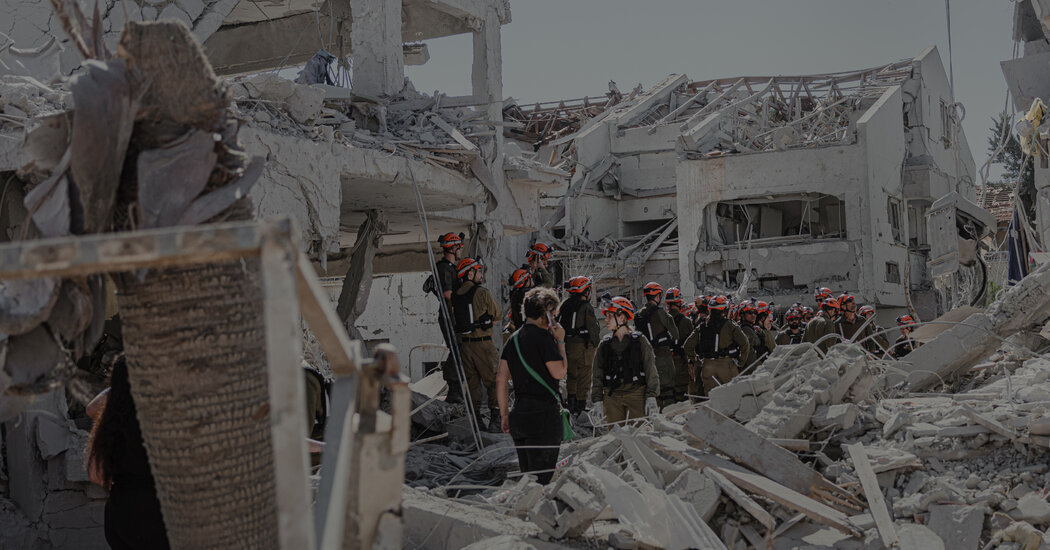
A large fire erupted in the Israeli city of Tel Aviv, causing panic among residents. This fire comes at a sensitive time, as Iran announced the start of a new wave of missile strikes, escalating tensions in the region.
The fire, which broke out in a residential neighborhood in Tel Aviv, led to the evacuation of several nearby buildings, as firefighting teams rushed to the scene to control the flames. So far, there have been no reports of injuries, but the incident has raised significant concern among the city's inhabitants.
Details of the Incident
According to local sources, the fire began late at night, with flames seen rising into the sky. Firefighting teams managed to control the blaze after several hours of continuous work, but the damage was substantial, leading to the destruction of several properties.
At the same time, Iran announced missile strikes targeting sites in the region, further escalating tensions between Tehran and Tel Aviv. These events come at a time when the Middle East is witnessing an escalation in hostilities, raising fears of an intensifying conflict in the area.
Background & Context
Historically, relations between Iran and Israel have been increasingly tense, with both nations exchanging accusations regarding support for armed groups in the region. Iran views Israel as an existential threat, while Tel Aviv sees Tehran as a major adversary seeking to destabilize the area.
In recent years, Iran has increased its support for armed groups in Lebanon and Gaza, leading to a rise in mutual shelling between the two sides. This escalation occurs amid international efforts to reduce tensions, but the situation appears to be growing more complicated.
Impact & Consequences
These events could lead to a greater escalation in the conflict between Iran and Israel, threatening stability across the entire region. The fire in Tel Aviv may just be the beginning of a series of events that could lead to a larger military escalation.
Increasing tensions could also affect the regional economy, potentially leading to higher oil prices and a decline in foreign investments in the area. Additionally, any military escalation could result in serious humanitarian consequences, especially in conflict-affected areas.
Regional Significance
The current events in Tel Aviv and Tehran are of significant importance to the Arab region, as Arab nations closely monitor developments. Any escalation in the conflict between Iran and Israel could impact security and stability in neighboring countries, such as Lebanon and Syria.
Moreover, these events may lead to strengthened regional alliances, as some Arab countries may seek to bolster their relations with Israel in the face of the Iranian threat. At the same time, other nations may seek to support Iran, complicating the regional landscape further.
In conclusion, the situations in Tel Aviv and Tehran remain under observation, as any new developments could lead to radical changes in regional balances.