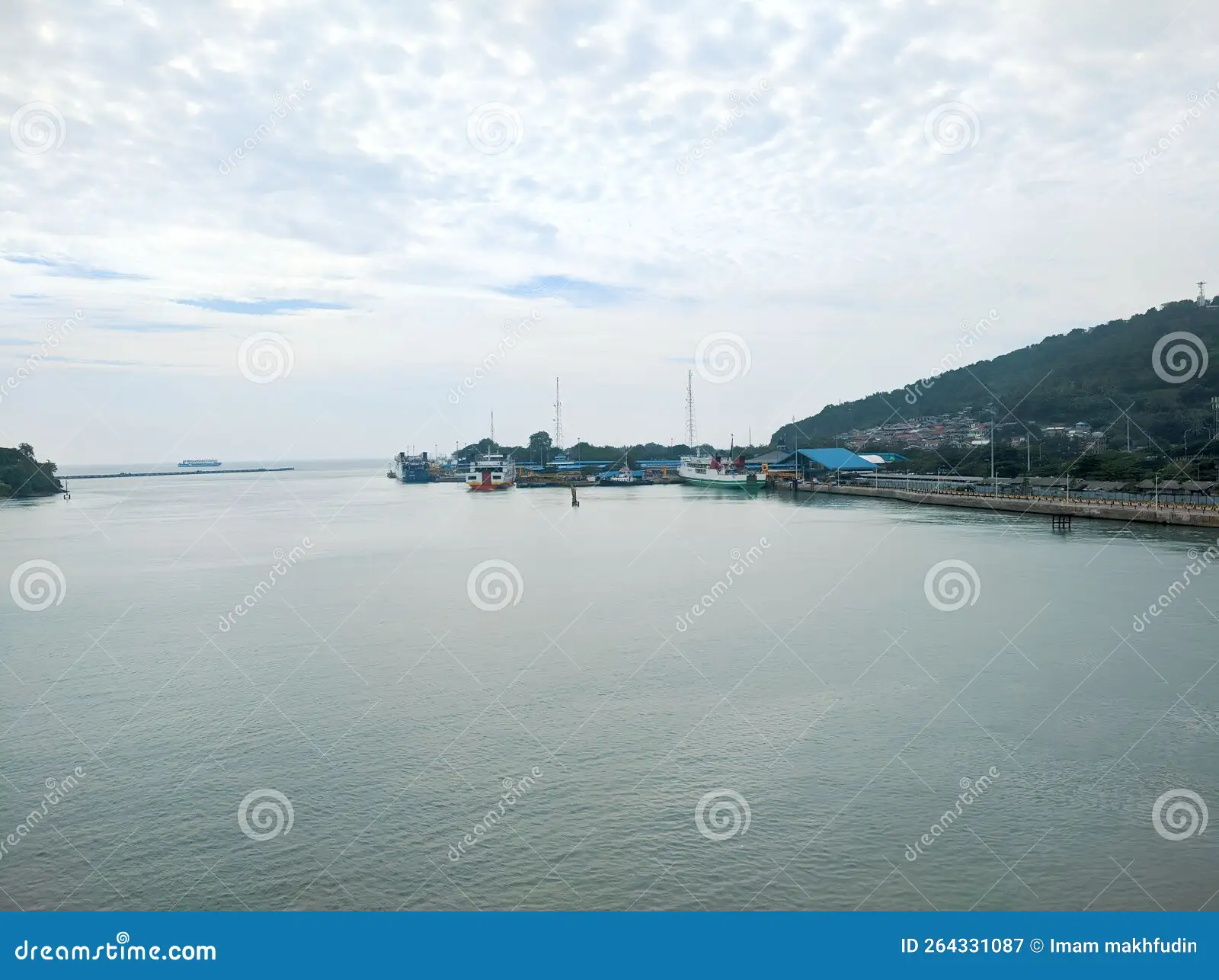
Bakauheni Port in South Lampung, Indonesia, witnessed a massive influx of travelers and vehicles, as thousands of people flocked to the port on the seventh day after Eid al-Fitr. This surge occurred late at night, with arrivals continuing into the early hours of Sunday morning.
From Saturday evening until the early hours of Sunday, traffic at the port was exceptionally busy, as many travelers sought to cross to Merak Port in Banten. This congestion prompted intensified efforts from the Indonesian police, military, and ferry company staff to manage traffic within the port.
Details of the Event
The General Director of the Indonesian ferry company (PT ASDP Indonesia Ferry), Hero Widodo, reported that the peak of the return traffic to Java through Bakauheni Port was expected on Saturday and Sunday, with an anticipated 25,000 to 27,000 vehicles crossing. He noted that the number of vehicles booked by midday Sunday was approximately 18,000 vehicles, indicating a continued influx of travelers.
To alleviate traffic pressure, strategies such as a delay system and ticket checks were implemented, along with organized arrival and departure operations. It was also emphasized that a significant proportion of travelers prefer to travel at night to avoid congestion.
Background & Context
The Eid period is one of the busiest times in Indonesia, as many people seek to return home after the celebrations. This tradition dates back many years, with many preferring to spend Eid with their families in their hometowns. As the population grows and travel increases, local authorities are compelled to develop effective strategies to manage this movement.
Historically, Indonesia has faced significant challenges in managing traffic during holiday periods, leading to additional measures such as increasing ferry trips and providing more transport options. These efforts aim to reduce congestion and improve the travel experience for citizens.
Impact & Consequences
This large movement at Bakauheni Port indicates economic recovery following the COVID-19 pandemic, as normal life gradually returns. The increase in travel reflects citizens' desire to return to their daily routines and resume economic activities.
On the other hand, this significant influx of travelers necessitates improvements in port infrastructure and transportation, which may lead to new investments in this sector. Additionally, better traffic management could contribute to reducing accidents and enhancing public safety.
Regional Significance
Although this event pertains to Indonesia, it highlights the importance of managing travel movement in densely populated countries. Arab nations, which also experience peak travel periods during holidays, can benefit from Indonesian experiences in improving traffic management and providing better services for travelers.
In conclusion, the influx of travelers at Bakauheni Port presents an opportunity to evaluate how to enhance traffic management during peak periods, contributing to an improved overall experience for travelers.