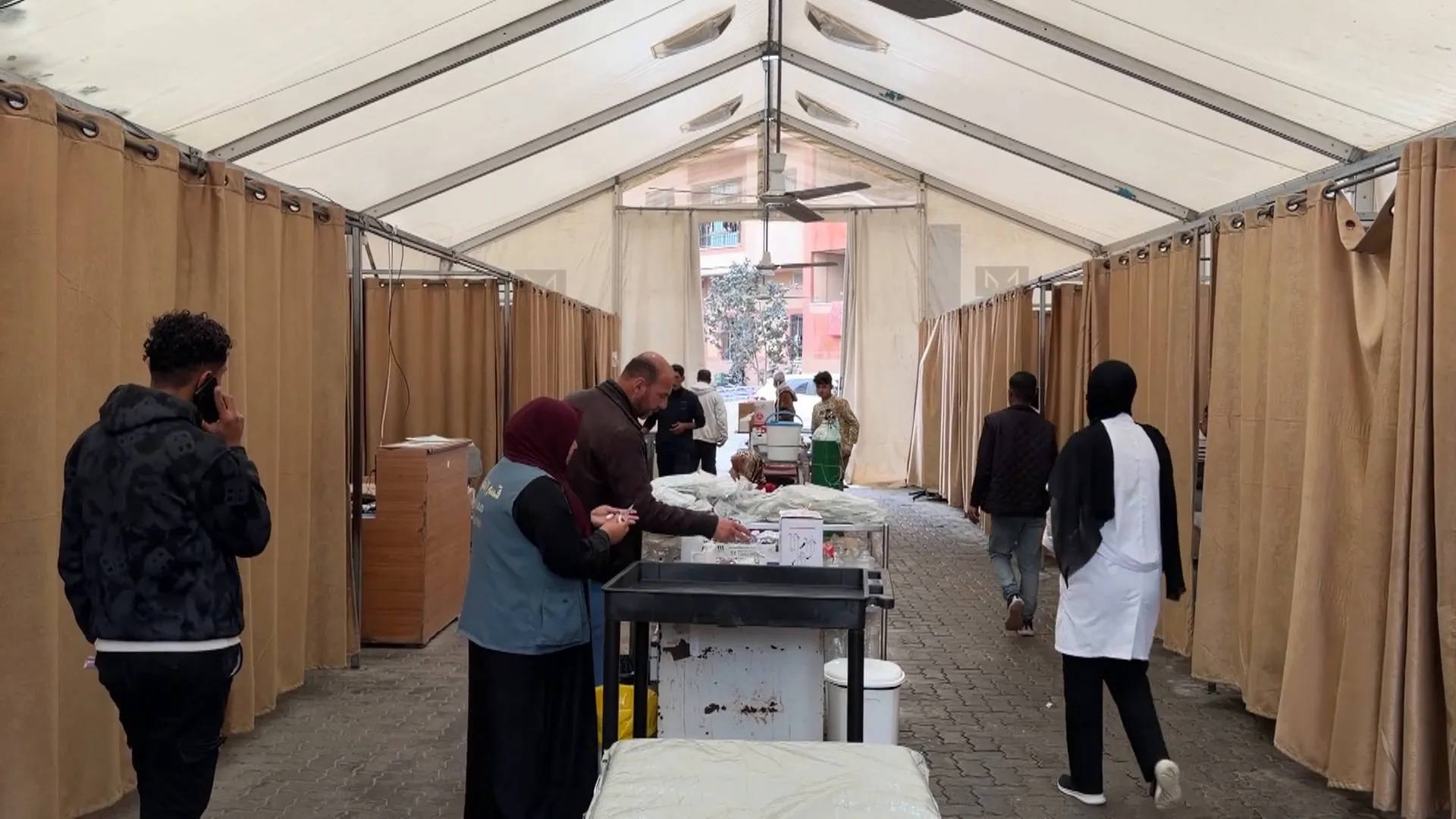
The health situation in Gaza is worsening due to Israeli restrictions imposed on crossings, threatening the lives of patients who fight daily for survival. Many patients suffer from a severe shortage of essential medications, putting them in direct confrontation with death.
In his report, Al Jazeera correspondent Hani Al-Shaer observed a painful scene showing the suffering of patients in hospitals, where parents gather around their children suffering from chronic illnesses. These scenes reflect a tragic reality lived by the residents of the enclave, who face unprecedented health and humanitarian challenges.
Details of the Crisis
Israeli restrictions on crossings cause delays in the arrival of medications and medical supplies to Gaza, exacerbating the health situation. According to local reports, many hospitals are experiencing a severe shortage of medications, forcing doctors to make difficult decisions about who receives treatment and who does not.
Statistics indicate that more than 50% of patients in Gaza require medications that are unavailable, placing them at real risk. Additionally, the deteriorating economic conditions increase the suffering of patients, as many cannot afford treatment costs.
Background & Context
Historically, the Gaza Strip has witnessed recurring health crises due to the blockade imposed for over 15 years. This blockade has significantly affected the health system, which was already suffering from a lack of resources. With the outbreak of diseases, the situation has become more complicated, as the number of patients needing urgent medical care continues to rise.
The tense political situation in the region also plays a role in exacerbating these crises. As the conflict continues, crossings remain closed or limited, hindering the normal flow of medications and humanitarian aid.
Impact & Consequences
The medication crisis in Gaza directly affects the lives of patients, as they face the risk of death due to a lack of medications. This situation not only threatens individual lives but also impacts the community as a whole, with increasing mortality rates from treatable diseases.
Moreover, the worsening health conditions may increase pressure on the health system, potentially leading to its collapse. If this crisis continues, the consequences will be severe for all residents of Gaza, necessitating urgent action from the international community.
Regional Significance
The Gaza crisis serves as a model for the humanitarian crises faced by many regions in the Arab world. This crisis reflects the challenges faced by populations amid ongoing conflicts and restrictions on movement.
Furthermore, the situation in Gaza highlights the urgent need for humanitarian and medical support for affected populations. Failing to address these crises could exacerbate conditions in other areas, requiring concerted regional and international efforts.
The suffering of patients in Gaza under the weight of the medication crisis represents a humanitarian tragedy that demands urgent attention from the international community. We must all work towards finding effective solutions that ensure the delivery of medications and humanitarian aid to those in dire need.