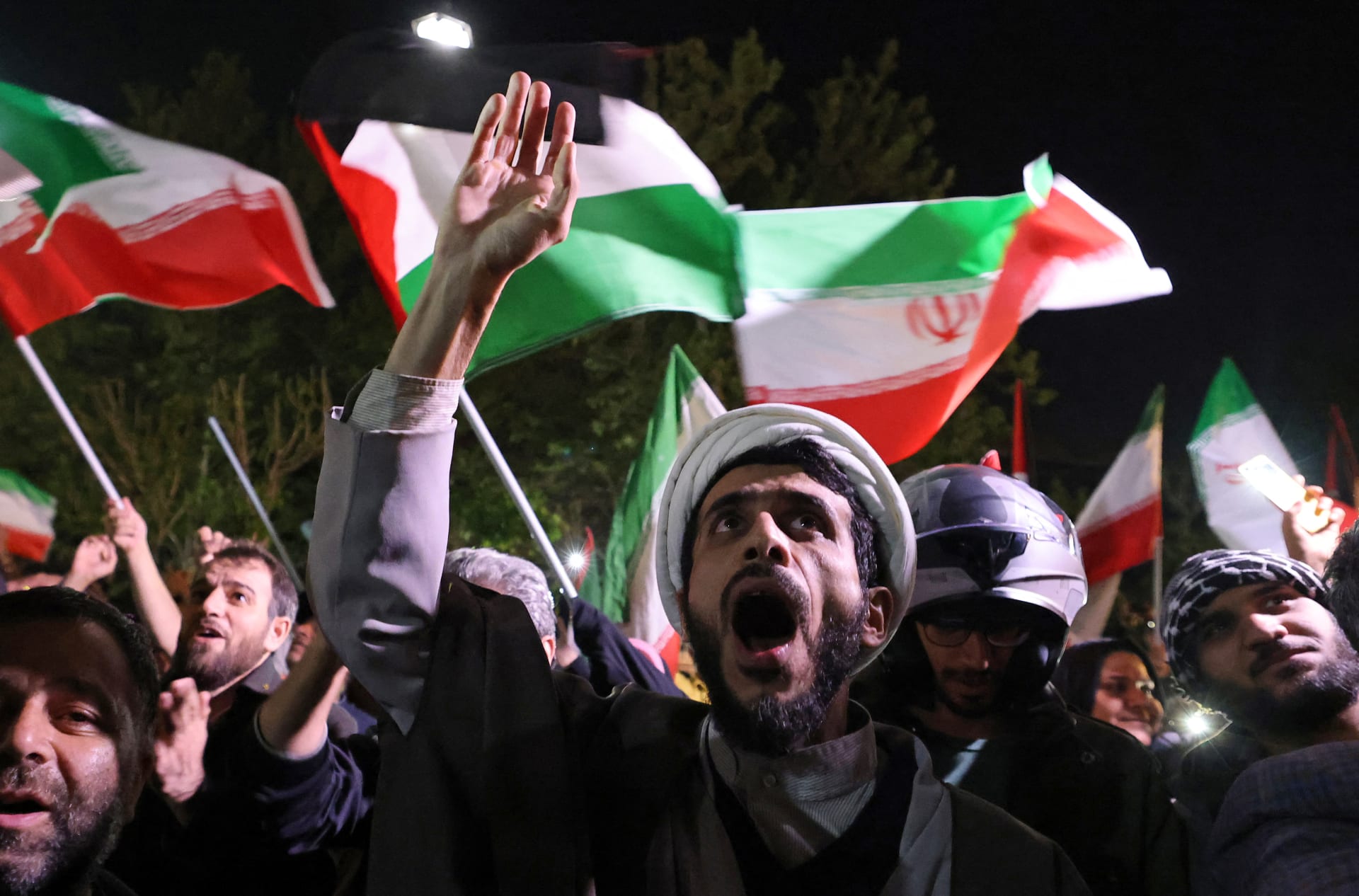
German Chancellor Friedrich Merz expressed doubts during a press conference on Friday regarding the existence of a clear strategy by the United States and Israel to end the war in Iran. He confirmed that Germany is, in principle, ready to participate in an international mission aimed at stabilizing the region after hostilities have ended.
Merz stated, "I am not convinced that what is currently happening – what Israel and America are doing – will actually lead to success." These remarks came at a time when the region is witnessing an escalation in tensions, raising concerns about the humanitarian and political dimensions of the crisis.
Details of the Event
Merz's statements come at a sensitive time, as pressures are mounting on Western countries to intervene in the Iranian conflict. He pointed out that the current situation requires long-term strategic thinking, rather than just immediate reactions. He also called for a comprehensive plan that includes all relevant parties in the region.
It is noteworthy that Merz is not the first to express such doubts, as voices in Europe have increasingly called for a reassessment of current strategies toward Iran. Many European leaders have expressed concern that military escalation could lead to counterproductive outcomes and complicate the situation further.
Background & Context
Historically, relations between Iran and the West have been tense, especially following the Islamic Revolution in 1979. Since then, the region has witnessed numerous conflicts and disputes in which Iran has been a party, making it a focal point of international politics. In recent years, tensions have notably escalated, particularly after the United States withdrew from the Iranian nuclear deal in 2018.
Iran is currently seeking to enhance its influence in the region, which increases concerns among neighboring countries and the West. This has led to a rise in hostilities, as Israel accuses Iran of attempting to develop nuclear weapons, while Iran denies these allegations.
Impact & Consequences
Merz's statements carry significant implications for European policy toward the Middle East. If doubts about current strategies persist, this may lead to a comprehensive reassessment of European policies toward Iran. Additionally, the lack of a clear strategy could exacerbate humanitarian conditions in the region, where civilians are suffering from the ongoing conflict's repercussions.
Moreover, these developments could affect relations between European countries and the United States, as some European nations may seek to adopt more independent stances in dealing with Iran. If these dynamics continue, we may witness changes in regional and international alliances.
Regional Significance
The Arab region is significantly affected by the tensions between Iran and the West, as Iran plays a key role in many regional conflicts. From Iraq to Lebanon and Syria, Iranian influence is clearly present, complicating the security situations in these countries.
If the war in Iran continues without a clear strategy for its resolution, it could have negative repercussions on security and stability in the Arab region. Any military escalation could adversely affect Arab economies and exacerbate humanitarian crises.
In conclusion, Merz's statements highlight the urgent need for a comprehensive and clear strategy to address crises in the region, as the absence of such a strategy could lead to worsening conditions and increased tensions.