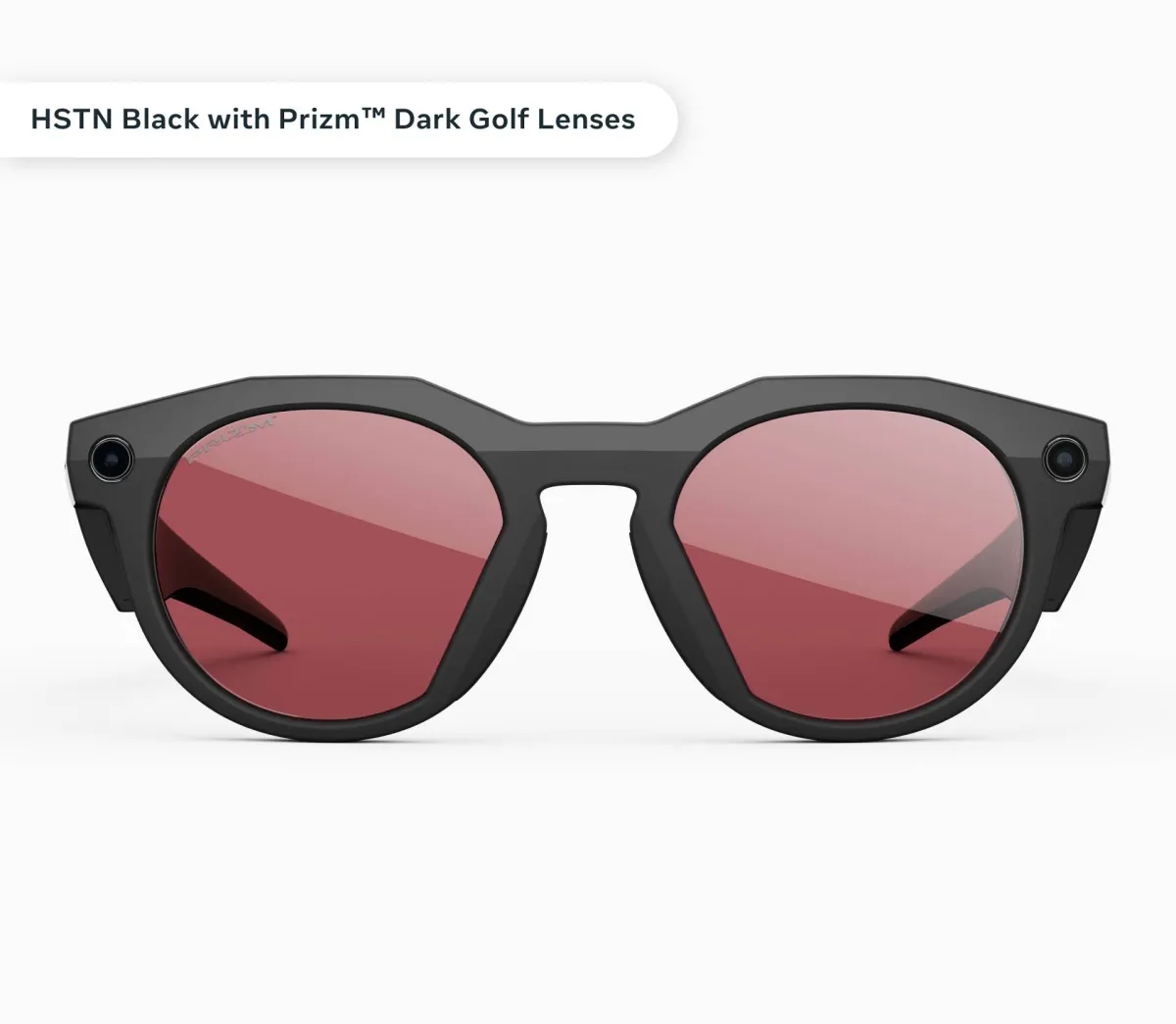
Meta has announced the development of a new generation of smart glasses that support prescription lenses, in a move aimed at expanding their daily usage. These glasses are part of the company's effort to meet the needs of millions of people who rely on vision correction, making them more suitable for everyday use.
Smart glasses have long been an advanced technology, but they have not achieved widespread adoption due to their inability to meet the needs of users requiring vision correction. By integrating prescription lenses into the design of the glasses, Meta hopes to transform this technology into a daily tool that can be used repeatedly.
Details of the Development
The new glasses feature a design that primarily integrates prescription lenses, rather than adding them later as was the case in previous versions. This change reflects a shift in how smart glasses are designed, with frames developed to accommodate a wide range of vision prescriptions. This shift is considered a significant step towards making smart glasses a part of users' daily routines.
The glasses continue to offer a range of functions such as hands-free communication, photo capturing, audio playback, and interaction with a smart assistant. However, the innovation lies in expanding the potential user base, as these glasses become a direct alternative to traditional eyewear, changing the nature of adoption from a tech experience to a part of daily life.
Background & Context
The smart glasses market is witnessing increasing growth, with major tech companies entering this field. However, there are still technical challenges such as battery life, processing power, and connectivity that affect performance. The biggest challenge remains how well these devices can integrate into daily life without causing friction.
Moreover, privacy issues remain one of the most significant concerns affecting the future of these devices. The ability to capture photos or videos discreetly raises questions about consent and surveillance, especially in public spaces. These concerns relate to how society will accept such devices, and this social factor may have a greater impact on technology adoption than any technical advancement itself.
Impact & Consequences
The value of smart glasses largely depends on how they are used. While current functions such as photo capturing, information retrieval, or message interaction are considered useful, they have not yet reached the level of daily necessity for most users. In contrast, clearer potential emerges in specialized uses, such as assisting visually impaired individuals in understanding their surroundings.
This transformation reflects a genuine capability of the technology, but it remains limited in terms of widespread adoption. Nevertheless, integrating prescription lenses into the design represents a step towards making smart glasses more practical and usable, bringing Meta closer to turning the concept into a daily product.
Regional Significance
In the Arab region, these developments may contribute to improving the quality of life for individuals who require vision correction, enhancing access to modern technology. Additionally, these innovations could open the door for local companies to develop similar products, fostering innovation in the market.
In conclusion, smart glasses are still in the early stages of development, but the introduction of prescription lenses represents a necessary step towards making them an essential part of daily life. However, the success of these devices remains tied to broader factors including social acceptance, actual user value, and the evolution of the experience.