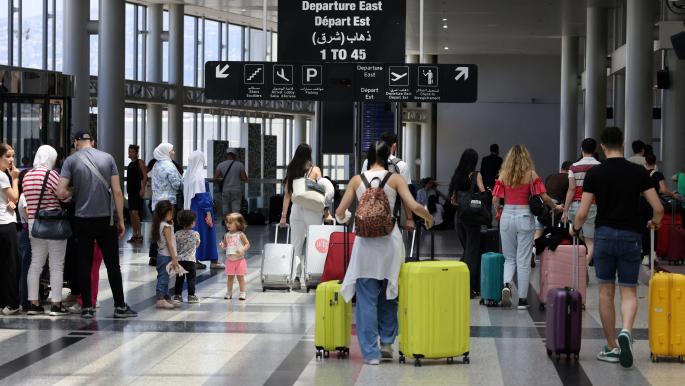
Recent events in the region have caused unprecedented disruptions in the travel and aviation sector, directly affecting airport traffic and international air networks. Many countries in the Middle East have made drastic changes to flight schedules, making travel challenging for passengers.
The concerns among travelers and airlines are growing, as the latter try to adapt to the changing circumstances. Reports have shown that many flights have been canceled or delayed, leading to massive congestion at airports and increased waiting times.
Event Details
In the face of escalating military tensions in the region, many airlines have been forced to adjust their flight routes, canceling flights to destinations considered insecure. Some flights have been diverted to alternative airports, adding to the burden on passengers who face difficulties reaching their original destinations.
The new changes to flight schedules include the cancellation of many domestic and international flights, significantly affecting travel between Arab countries. Officials at some airports have indicated that these changes may persist for a long time, requiring passengers to plan their trips in advance.
Background and Context
This situation arises at a sensitive time for the region, where political and military tensions are escalating. Historically, the aviation sector in the Middle East has experienced significant fluctuations due to conflicts and wars, affecting travel and tourism. As crises deepen, it becomes essential for airlines and governments to take precautionary measures to ensure passenger safety.
In recent years, there have been significant efforts to boost the aviation sector in the region, with new airports opening and infrastructure being upgraded. However, the current events threaten these efforts and present new challenges to the sector.
Impact and Consequences
The repercussions of these disruptions extend beyond the aviation sector, affecting the local economy and tourism. Reports have shown that many hotels and restaurants in tourist areas are experiencing a decline in visitor numbers, resulting in significant financial losses.
The impact also extends to employment, with many companies potentially losing staff due to decreased demand. This raises concerns about economic stability in the region, where many countries rely heavily on tourism as a primary source of revenue.
Regional Significance
These events serve as a warning signal for the Arab region, where governments and airlines must work together to mitigate the effects of these disruptions. It is essential to enhance regional cooperation to ensure passenger safety and restore confidence in the travel sector.
In conclusion, the current situation requires a swift and effective response from all parties involved. There should be a focus on enhancing security and safety at airports, as well as providing support to passengers affected by these changes.