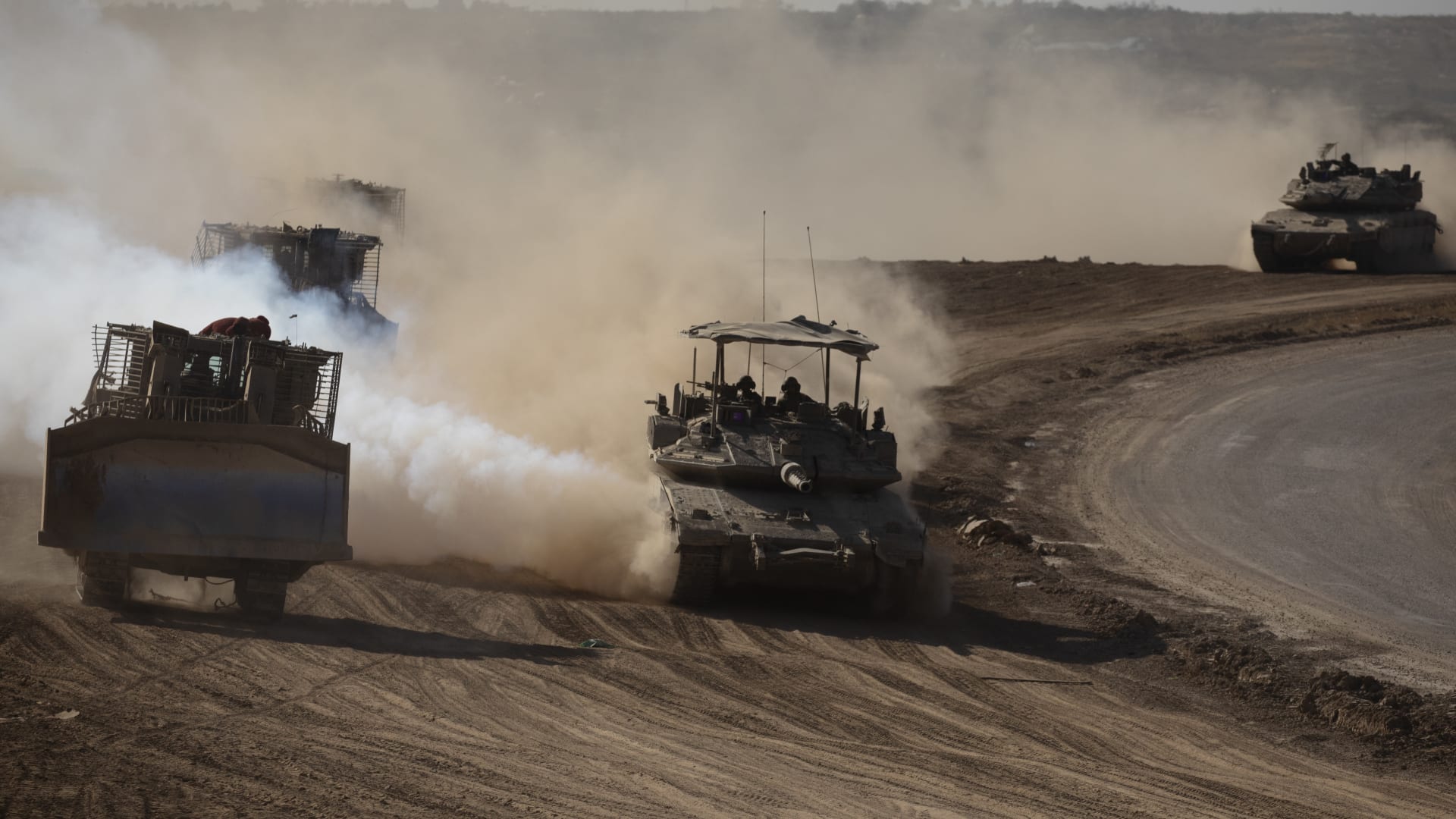
The World Health Organization warned on Sunday that the ongoing conflict in the Middle East has reached a 'dangerous phase,' signaling dire consequences for food and humanitarian security in the region. This warning comes at a sensitive time as military operations escalate, especially with strikes targeting nuclear sites in both Iran and Israel, raising concerns about the implications of this escalation for civilian safety.
Clearly, this crisis emerges amidst rising tensions between regional and international powers. In recent years, the region has become a stage for complex conflicts involving a variety of actors, including major powers and local militias. These conflicts have resulted in chronic instability and deadly repercussions for infrastructure and the ability to provide basic services.
In this context, experts note that preemptive strikes taken in defense of national security could drag countries into a broader military confrontation, which will undoubtedly exacerbate humanitarian crises. The World Health Organization has recorded instances expressing concern over the deteriorating health situation of hundreds of thousands of civilians living in conflict zones.
These unsettling signals are not new. Historically, the region has been prone to ongoing tensions and conflicts, which have often contributed to global instability. As tensions continue between Iran and Israel, the situation appears more complicated, particularly with mutual threats and military activities in the Red Sea.
Humanitarian crises in the region are worsening, with residents in Gaza and the West Bank suffering from the repercussions of the ongoing conflict. According to reports, delivering humanitarian aid has become more complicated due to these pressures. Humanitarian organizations, led by the World Health Organization, have called for lifting the blockade and completing relief operations in afflicted areas.
The potential ramifications of these situations may include the spread of diseases, severe shortages of medications, and healthcare services. Additionally, warnings regarding nuclear security threats in the region serve as another indication that war does not only create humanitarian crises but may also lead to military developments that could have serious implications for national and regional security.
In conclusion, it is clear that the ongoing conflicts in the Middle East urgently require a diplomatic solution. The international community must act swiftly to contain military escalation and seek peaceful solutions to ensure a safe and stable life for the region's peoples. Every moment that passes without effective actions from international actors increases the likelihood of conflict expansion, threatening both regional and international security and peace.