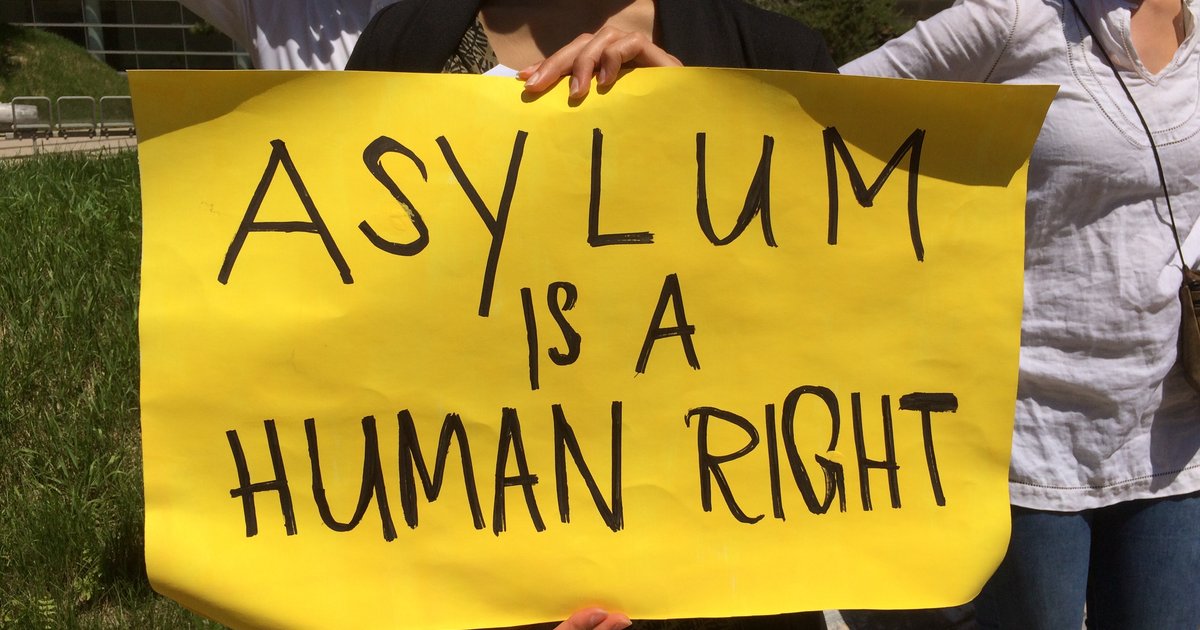
A group of migrants seeking asylum is facing orders to return to countries they have never visited, leaving them in a state of uncertainty and confusion. This situation raises concerns about human rights and the conditions of migrants worldwide, as these individuals find themselves caught in a whirlwind of complex legal proceedings.
Reports of this phenomenon are increasing in many Western countries, where migrants are being sent to third countries as part of new immigration policies. These policies aim to reduce the number of migrants arriving in host countries, but they raise numerous questions regarding the rights of these individuals and their humanitarian conditions.
Details of the Situation
Reports indicate that many migrants fleeing wars and poverty are receiving orders to return to countries where they have never lived. These countries are often far from their home nations, complicating their situation even further. In some cases, these migrants are detained in inhumane detention centers, where they face harsh conditions.
These new policies also involve complex legal procedures, where migrants find themselves forced to wait for long periods before they can submit asylum applications. In the meantime, they face significant challenges related to accessing basic services such as healthcare and housing.
Background & Context
Historically, many Western countries have witnessed significant changes in immigration policies, especially following the increase in migrant numbers in recent years. These changes come amid political and social tensions surrounding immigration issues, with growing concerns about the impact of migrants on the economy and security.
In recent years, some countries have taken strict measures to reduce the number of migrants, including imposing restrictions on their entry and resettling them in third countries. These policies have drawn widespread criticism from human rights organizations, which view them as violations of migrants' fundamental rights.
Impact & Consequences
These policies significantly affect the lives of migrants, as they find themselves trapped in difficult situations. Many suffer from anxiety and depression due to uncertainty about their future. Additionally, these policies exacerbate humanitarian crises in certain regions, where migrants are sent to countries that may not be able to accommodate them appropriately.
Moreover, these policies may lead to the spread of hatred and discrimination against migrants, increasing social tensions in host communities. At the same time, these situations raise questions about the obligations of states towards human rights and the protection of migrants.
Regional Significance
The issue of migration is a sensitive topic in the Arab region, where many Arabs face similar challenges when attempting to migrate to other countries. The number of Arab migrants seeking asylum in Western countries is increasing, making these policies directly impact their lives.
These circumstances require Arab countries to consider how to support their citizens facing difficulties in migration, either by improving conditions in their home countries or by providing assistance to migrants in host countries. Promoting human rights and protecting migrants should be a priority for Arab governments.