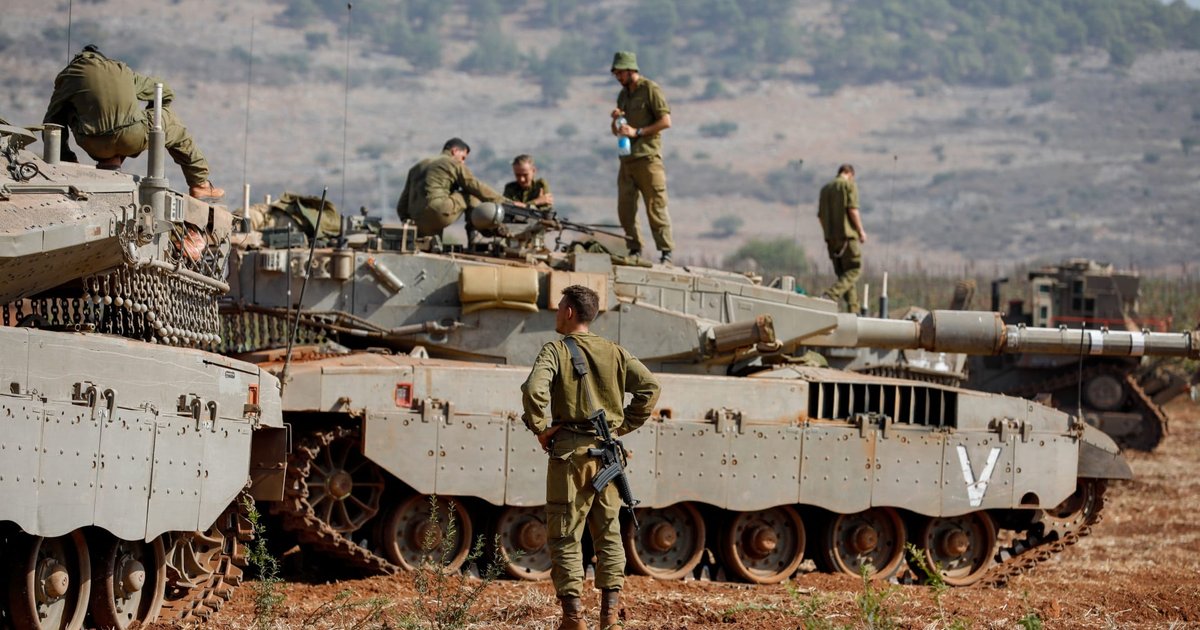
The mutual strikes between Israel and Hezbollah continue as Israeli aircraft targeted a strategically significant bridge in southern Lebanon, reflecting the rising tensions in the region. This attack follows Hezbollah militias' assaults on several military centers in northern Israel, escalating the situation along the border between the two countries.
This military escalation comes against a backdrop of political developments, with regional and international powers, particularly the United States and Iran, becoming involved. Recent days have witnessed mutual targeting between these powers, with the U.S. warning the Iranian regime about its movements.
In the context of recent attacks, eyewitnesses reported that many of the strikes carried out by Israel focused on sites where Hezbollah elements were present, a move that reflects Israeli efforts to diminish the party's capacity to conduct operations deep within Israeli territory. Hezbollah responded with strikes on northern Israel, highlighting both sides' readiness for further escalation if necessary.
Context and Background
This event is presumed to be the result of a long history of conflict between Israel and Hezbollah, which dates back decades, stemming from the party's emergence in the mid-1980s amidst the Israeli occupation of Beirut. Since then, a multifaceted war has emerged between them, particularly given the political and religious tensions in the region.
Recent events have been significantly influenced by pivotal global occurrences. Since the U.S. withdrew from the nuclear agreement with Iran in 2018, there has been an emphasis on the intensification of mutual pressures and threats. The past few weeks have seen heightened Western warnings about Iranian activities in the region, which have consequences for the balance of power in the Middle East.
Consequences
This military escalation carries serious implications for regional security, particularly regarding border security between Lebanon and Israel and civilian safety. It may exacerbate the security landscape and increase the chances of military escalation, raising concerns among local populations and international apprehensions that the conflict could turn into a comprehensive confrontation.
The impact resulting from these operations is deemed inevitable, particularly since any escalation may trigger violent reactions from other parties, such as Israel or Iranian-backed forces in the region. This could plunge the entire area into instability, worrying Arab communities and neighboring states, as well as major powers.
Connection to the Arab Region
Events like these raise questions about how they may influence surrounding Arab countries. Lebanon, Syria, Jordan, and Gulf states could be significantly affected by the repercussions of this escalation, especially amidst political and economic changes in the region and the stability of ruling systems.
These tensions also reflect on Arab-American relations, where events in the region could lead to new alliances or even political polarization that reshapes power maps in the area. The threats issued by Hezbollah may prompt the U.S. to reassess its position regarding the conflict in the Middle East, complicating matters further.
In conclusion, the situation remains subject to rapid changes, as the tense security climate could lead to an outbreak of hostilities at any moment, keeping Arab citizens and surrounding events in cautious anticipation of what the coming days may yield.