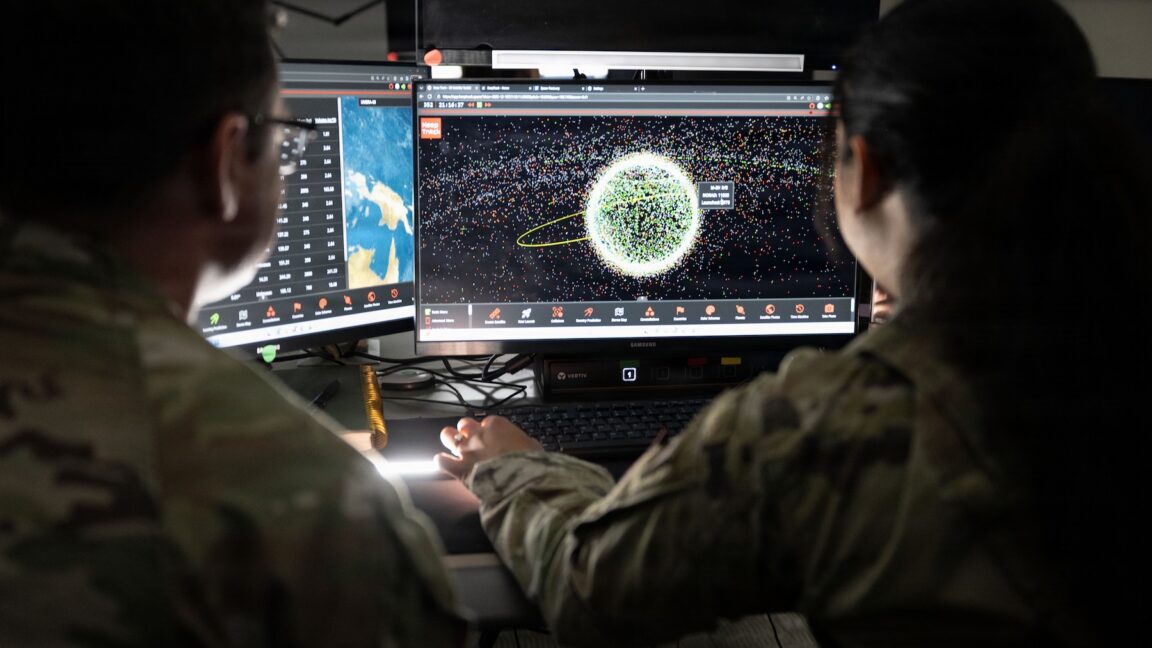
U.S. military officials have revealed ongoing problems with the development of the new Global Positioning System (GPS), which has been in progress for 16 years at a cost of $8 billion. Despite efforts, the program continues to face significant challenges in meeting its objectives.
In statements made by one official, the program was described as "extremely burdensome," reflecting the pressures faced by those managing the project. Officials indicated that they are still seeking ways to move forward with the program's development, raising questions about the effectiveness of the massive investments made in this project.
Details of the Situation
Global Positioning Systems (GPS) are an essential part of modern military operations, as armed forces rely on them for precise location tracking, facilitating effective military operations. However, the ongoing failure to develop the new version of this system raises concerns among military leaders who depend on this technology for their daily tasks.
Despite the challenges, there remains hope for improving the program. Officials have indicated that they are working to assess the current status of the program and are looking for innovative solutions to overcome the obstacles they face. However, time is passing, and pressure is mounting to achieve tangible results.
Background & Context
Historically, the GPS system was developed in the United States in the 1970s, with the goal of providing high accuracy in location tracking for military and civilian purposes. Over time, this system has become one of the most important tools in military operations, contributing to the effectiveness of armed forces worldwide.
However, the challenges facing the development of the new version of the system reflect the complexities of modern technology. Recent years have seen rapid advancements in location technology, necessitating that the United States keep pace with these developments to ensure its military superiority.
Impact & Consequences
The failure to develop the new GPS system could have significant implications for U.S. military operations. As reliance on technology in modern warfare increases, any delay in developing these systems could adversely affect the armed forces' ability to carry out their missions effectively.
Moreover, this failure may raise questions about how major military projects are managed in the United States, potentially leading to a comprehensive review of current operations. Under these circumstances, military leaders must consider alternative strategies to ensure the continued effectiveness of the armed forces.
Regional Significance
In the Arab region, the failure of the United States to develop the new GPS system may have indirect effects. Many Arab countries rely on American military technology, and this failure could lead to a reassessment of their military partnerships with the United States.
Additionally, advancements in military technology may affect regional balance, as other countries seek to develop similar systems. In this context, Arab nations must be prepared to face new challenges that may arise as a result of these developments.
In conclusion, the development of the new GPS system remains a vital issue that requires significant attention from military leaders. As challenges persist, hope remains for achieving tangible progress in the near future.