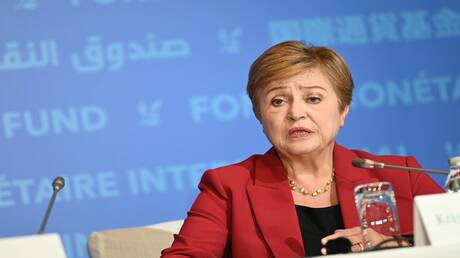
Kristalina Georgieva, Managing Director of the IMF, stated that the U.S.-Israeli military operation against Iran will lead to rising inflation and a slowdown in global economic growth. She emphasized that these events could exacerbate economic conditions in many countries, necessitating significant international attention.
In her recent statements, Georgieva pointed out that military conflicts often lead to instability in financial markets, increasing inflationary pressures. Additionally, these operations could negatively impact global supply chains, raising production and transportation costs.
Details of the Event
Georgieva's remarks come at a sensitive time, as tensions between the United States and Iran are escalating, raising widespread concern in economic circles. The military operation involving Israel aims to confront Iranian threats, but its repercussions could be far-reaching.
Reports predict that these operations will lead to an increase in oil prices, which will raise energy costs worldwide. Given the current economic conditions, any rise in energy prices could exacerbate inflation in many countries, especially those heavily reliant on oil imports.
Background & Context
Historically, the region has witnessed numerous military conflicts that have impacted the global economy. For instance, conflicts in the Middle East in recent years have led to rising oil prices and slowed economic growth in many countries. These events remind us that regional stability has direct effects on the global economy.
On the other hand, the economic sanctions imposed on Iran have contributed to worsening economic conditions in the country, heightening tensions. These dynamics make it essential for the international community to seek diplomatic solutions to avoid military escalation.
Impact & Consequences
The potential consequences of the military operation against Iran may include an increase in unemployment rates in some countries due to slowed economic growth. Financial markets may also experience significant volatility, affecting individual and corporate investments.
Moreover, rising inflation could erode consumers' purchasing power, increasing social and economic pressures. Under these circumstances, it becomes crucial for governments to take effective measures to mitigate the impact of these events on their citizens.
Regional Significance
For the Arab region, any military escalation in Iran could affect regional stability. Neighboring Arab countries may face economic challenges due to the effects of these military operations, necessitating greater coordination among Arab states to address these crises.
Additionally, rising oil prices could have dual effects, benefiting some oil-producing countries while harming importing nations. This disparity in economic impacts requires a swift and effective governmental response.
In conclusion, the situation in the region remains under observation, as the current circumstances demand urgent international action to ensure market stability and mitigate potential negative impacts on the global economy.