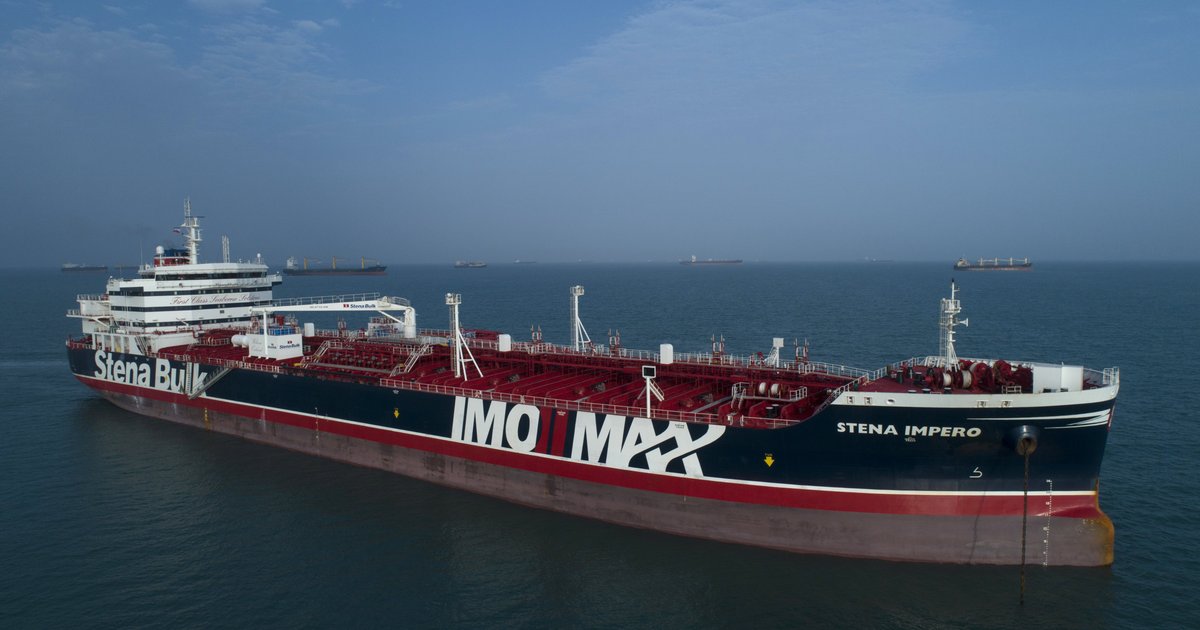
Shipping in the Strait of Hormuz, a vital corridor for oil and gas exports, faces severe restrictions following over a month of military pressures from the United States and Israel against Iran. These restrictions significantly impact global trade, as the strait is a major transit point for oil and natural gas from the Gulf region to global markets.
Reports indicate that these military pressures have heightened tensions in the region, affecting commercial shipping and leading to delays in shipments. The Strait of Hormuz is considered one of the busiest maritime corridors in the world, with approximately 20% of the world's total oil exports passing through it.
Details of the Incident
Following military strikes by the United States and Israel on Iranian targets, shipping activity in the strait has noticeably declined. Many shipping companies have reported delays in shipping schedules, resulting in increased costs. Additionally, some companies have begun seeking alternative routes to avoid passing through the strait, which could lead to longer shipping times and higher transportation costs.
These events are part of an ongoing series of tensions between Iran and the West, as Iran seeks to enhance its influence in the region by controlling vital maritime corridors. Iranian officials have stated that they are prepared to take measures to protect their interests in the region, increasing the likelihood of conflict escalation.
Background & Context
The Strait of Hormuz has a long history of geopolitical tensions, having witnessed numerous military conflicts over the past decades. In recent years, tensions between Iran and the United States have escalated, especially following Washington's withdrawal from the Iranian nuclear deal in 2018. Since then, the United States has imposed stringent economic sanctions on Iran, impacting its economy and leading to heightened tensions in the region.
Iran considers the Strait of Hormuz a strategic point, using it as leverage against Western nations. In past years, Iran has conducted military maneuvers in the area, raising concerns among neighboring countries and the United States. These dynamics make it difficult to predict the future of shipping activity in the strait.
Impact & Consequences
The potential impacts of these restrictions on shipping could be far-reaching. If military pressures continue, this may lead to increased global oil prices, affecting the global economy. Companies relying on oil and gas from the region may face significant challenges in securing their supplies.
Moreover, these tensions could escalate military conflicts in the region, threatening the stability of Gulf states and impacting regional security. Neighboring countries, such as Saudi Arabia and the United Arab Emirates, are closely monitoring the situation, as any escalation could affect their economic and security interests.
Regional Significance
For Arab countries, the ongoing tensions in the Strait of Hormuz pose a significant challenge. Many Arab nations depend on oil and gas exports, and any disruptions in shipping could negatively impact their economies. Additionally, security in the region is closely tied to the stability of shipping routes, making it essential for Arab countries to enhance security cooperation to address common challenges.
In conclusion, the situation in the Strait of Hormuz requires careful monitoring, as any new developments could affect security and stability in the region. It is crucial for Arab nations to remain united in facing these challenges and work towards enhancing regional stability.