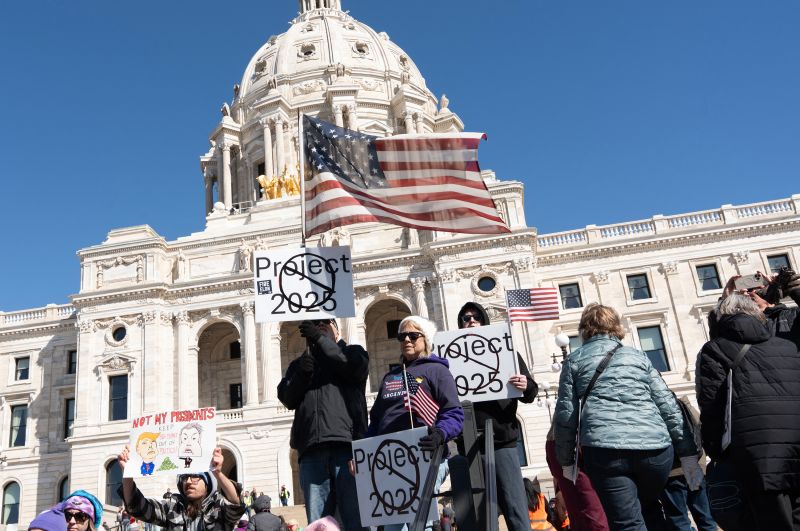
Massive protests erupted across the United States as millions of demonstrators gathered in marches opposing the policies of President Donald Trump. Participants believe these policies reflect an authoritarian tendency, alongside tightening immigration and escalating tensions in the Middle East. These protests coincided with similar marches in global capitals, reflecting the widespread anger against American policies.
The demonstrations come at a sensitive time, as Trump faces increasing criticism from various segments of American society, including human rights organizations and activists. Protesters pointed out that Trump's policies exacerbate humanitarian crises in conflict areas, particularly in the Middle East, where the intensity of conflicts is rising.
Details of the Protests
The protests were spread across many major cities, including New York, Washington, and San Francisco. Demonstrators raised banners with slogans such as "No Kings" and "We Want Justice," reflecting their desire for a change in current policies. The protests saw widespread participation from various age groups, including both youth and the elderly, indicating that anger towards Trump's policies transcends traditional boundaries.
Reports also indicated that the protests were not limited to the United States alone, as global capitals like London, Paris, and Berlin witnessed similar marches, where demonstrators expressed solidarity with protesters in America. In some cities, police used tear gas to disperse crowds, escalating tensions between demonstrators and authorities.
Background & Context
These protests occur within a complex historical context, as the United States has seen a rise in nationalist and populist tendencies in recent years. Trump's policies, including his decisions regarding immigration and international relations, have provoked strong reactions from civil society organizations and activists. Many consider these policies to reflect an authoritarian trend that threatens democratic values.
Moreover, the escalation of tensions in the Middle East, especially following recent events in Gaza and Syria, has contributed to increasing public anger. Protesters believe that the United States plays a negative role in these crises, leading to worsening humanitarian conditions.
Impact & Consequences
The repercussions of these protests extend beyond American borders, potentially affecting the United States' international relations. As criticism of Trump's policies escalates, the American administration may find itself under greater pressure from its allies to change. Additionally, these protests could strengthen movements opposing American policies abroad.
Domestically, these protests may impact upcoming elections, as many candidates seek to capitalize on public anger against Trump. These movements could become a driving force for change in American policies, especially if they continue to attract more supporters.
Regional Significance
These protests signify a growing public awareness of American policies and their impact on the Arab region. The anger in the American street towards Trump's policies reflects an increasing concern in the Arab world regarding American interventions in regional affairs.
Furthermore, these protests may bolster the position of movements opposing American policies in Arab countries, potentially increasing pressure on Arab governments to express their stance on American policies. Amid ongoing crises in the region, the question remains as to how these protests will affect the future of relations between the United States and Arab countries.
In conclusion, these protests reflect a general discontent with Trump's policies and highlight the challenges facing the United States both domestically and internationally. As public anger continues, it remains crucial to monitor the developments of these events and their impact on the international stage.