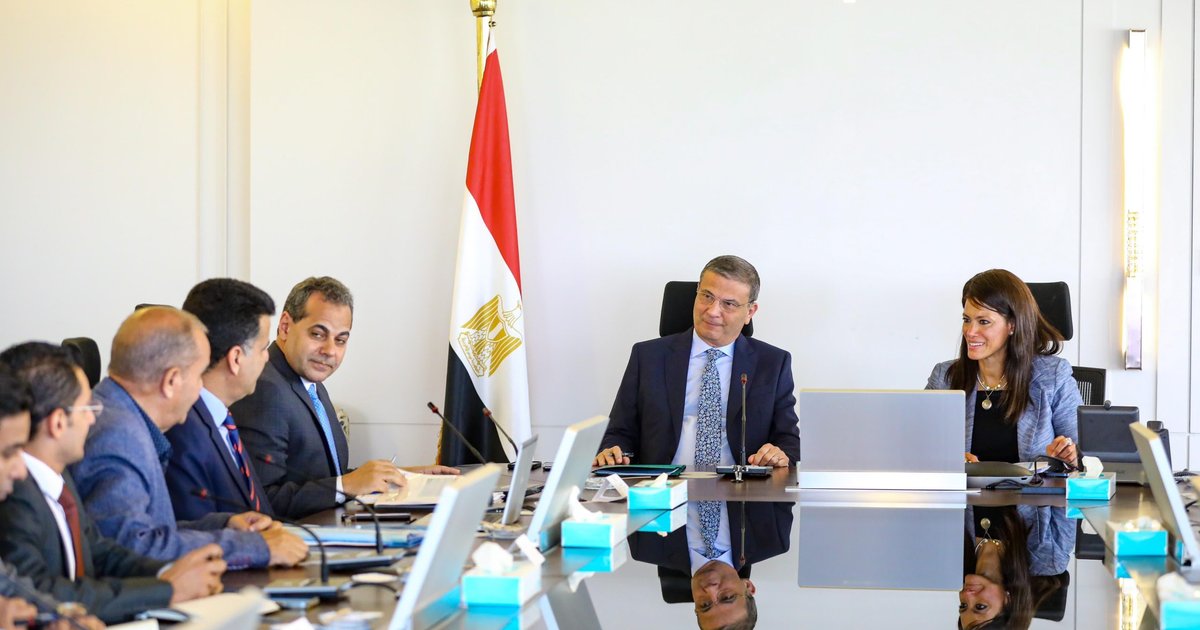
The Egyptian Ministry of Agriculture has announced essential advice for farmers aimed at reducing agricultural crop losses amid current climatic and economic challenges. This initiative comes at a time when the agricultural sector faces numerous difficulties, including climate change and rising production costs.
The tips provided by the ministry include the necessity of adopting modern farming methods, implementing advanced irrigation techniques, and using fertilizers and pesticides judiciously. The ministry also emphasized the importance of regularly monitoring crop conditions to ensure they are not affected by diseases or pests.
Details of the Initiative
As part of its efforts to protect farmers, the Egyptian Ministry of Agriculture has issued clear guidelines regarding how to manage crops during critical periods. These guidelines include the importance of selecting suitable crop varieties that align with prevailing climatic conditions, which contributes to improving productivity and reducing waste.
The ministry has also urged farmers to take advantage of agricultural research centers that provide specialized technical consultations, as these centers can assist in offering innovative solutions to various challenges.
Background & Context
The agricultural sector is considered a vital component of the Egyptian economy, significantly contributing to food security and job creation. However, this sector faces numerous challenges, including climate change that impacts agricultural production, as well as rising costs of agricultural inputs.
Historically, Egypt has experienced several agricultural crises due to climate changes, leading to decreased productivity and increased poverty in rural areas. Therefore, the current guidance from the Ministry of Agriculture is part of its ongoing efforts to support farmers and improve their economic conditions.
Impact & Consequences
The Ministry of Agriculture expects these tips to help reduce crop losses, which will positively reflect on farmers' income. If these guidelines are effectively followed, it could lead to improved food security in the country and reduced reliance on imports.
Moreover, enhancing agricultural productivity can contribute to strengthening the national economy, as the agricultural sector is one of the fundamental pillars of the Egyptian economy.
Regional Significance
The Egyptian experiences in facing agricultural challenges serve as a model for other Arab countries facing similar issues. Countries that suffer from limited water resources or climate changes can benefit from Egyptian experiences in applying more efficient agricultural methods.
Additionally, regional cooperation in agriculture can facilitate the exchange of knowledge and expertise, enhancing the ability of Arab countries to tackle common agricultural challenges.
In conclusion, the efforts of the Egyptian Ministry of Agriculture to provide support and advice to farmers are a crucial step towards enhancing food security and improving economic conditions in the country. The success of these initiatives heavily relies on farmers' commitment to applying the provided guidelines and advice.