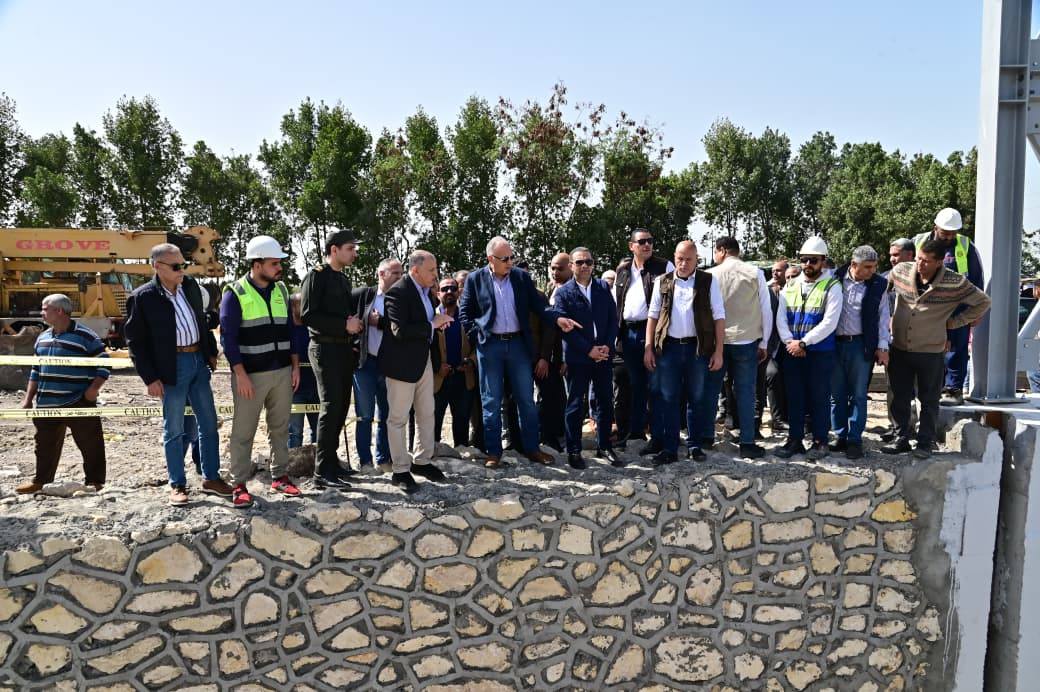
In a significant field visit, Dr. Hani Sweilem, the Minister of Water Resources, inspected water resource projects in Menoufia Governorate on Sunday, April 5, 2026. This visit is part of ongoing efforts to monitor the progress of vital projects aimed at improving water management and enhancing irrigation services.
Accompanied by Major General Amr Al-Ghareeb, the minister reviewed the construction works of the new Abnuhas siphon. This siphon is part of a project to rehabilitate water facilities and serves an agricultural drainage area estimated at 10,000 acres. These projects aim to enhance the efficiency of water resource management and improve the level of services provided to farmers.
Details of the Visit
During the tour, Dr. Hani Sweilem emphasized the necessity of adhering to the specified timeline for completing the construction of the Abnuhas siphon, stressing the importance of finishing it by June. He also called for close monitoring of implementation rates to ensure compliance with planned schedules.
The minister listened to the demands and opinions of several farmers in the area, directing relevant authorities, such as the Irrigation Authority and the Technical Inspection Authority, to promptly study these requests and address them in accordance with applicable laws and regulations. This step aims to achieve public interest and improve the level of services provided to citizens.
Background & Context
Irrigation and water projects are fundamental elements for achieving sustainable agricultural development in Egypt. Historically, the country has faced numerous challenges in managing water resources, necessitating the development of new projects to improve water use efficiency. The Abnuhas siphon comes in this context as part of a comprehensive strategy to rehabilitate water facilities and enhance agricultural productivity.
The Egyptian government seeks to achieve water security by improving irrigation and drainage infrastructure, which requires significant investments and cooperation among various stakeholders. These efforts reflect the state's commitment to enhancing agricultural production and ensuring its sustainability amid increasing climate challenges.
Impact & Consequences
The completion of the Abnuhas siphon will lead to a significant improvement in irrigation services, positively impacting the productivity of agricultural lands in the region. This development is expected to contribute to increasing farmers' income and improving their living standards, thereby enhancing economic and social stability in Menoufia.
Moreover, improving water resource management contributes to addressing challenges associated with climate change, such as water scarcity and drought. These projects represent an important step towards achieving sustainable development goals in Egypt.
Regional Significance
Egypt's experience in managing water resources serves as a model for the Arab region, where many countries face similar challenges in this field. Enhancing water use efficiency can contribute to bolstering food security in Arab nations, which heavily rely on agriculture as a primary source of income.
Additionally, cooperation among Arab countries in water management can lead to the development of joint strategies to tackle water challenges, thereby enhancing opportunities for sustainable development in the region.
In conclusion, the Minister of Water Resources' visit to Menoufia underscores the importance of water projects in improving agricultural service levels and enhancing productivity. These efforts represent a significant step towards achieving sustainable development in Egypt and the Arab region.