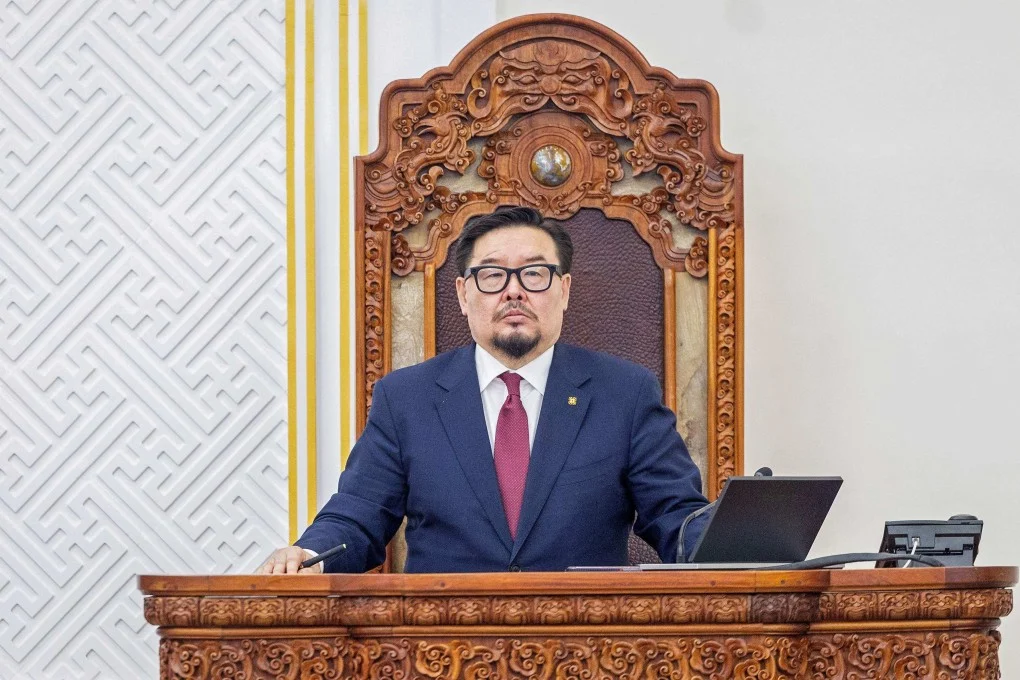
Mongolia's Prime Minister, Zandan Shatar Gombujav, has resigned just nine months into his term, with Ukral Niam-Osur selected as the new candidate for the premiership. The announcement of this change came during a meeting of the Mongolian People's Party, where Niam-Osur, currently serving as the Speaker of Parliament, was nominated to be the new Prime Minister. This step comes at a sensitive time for the country, as allegations of corruption against the previous government are on the rise.
It is noteworthy that Gombujav resigned under increasing pressure from within his party, as some factions believed his administration was ineffective in addressing the economic and political challenges facing the country. Niam-Osur was chosen as a compromise candidate among the various factions within the party, reflecting the need for unity at this critical stage.
Details of the Event
The Mongolian People's Party, which governs the country, announced the selection of Ukral Niam-Osur as the new candidate for Prime Minister following Gombujav's resignation. Niam-Osur is a prominent political figure, having joined the party in 2009 and currently serving as the Speaker of Parliament. He is viewed as a compromise candidate among the different factions within the party, highlighting the challenges the government faces amid internal divisions.
This resignation comes at a sensitive time, with increasing pressure on the government due to corruption allegations. Questions have been raised about how these allegations will affect the stability of the new government and whether it will be able to implement the necessary reforms in the country.
Background & Context
Mongolia, located between Russia and China, has undergone significant political and economic transformations since its transition to democracy in the early 1990s. Despite the country's natural wealth, including minerals and coal, corruption and mismanagement have hindered economic development. The country has seen several successive governments, with resignations and leadership changes being common in recent years.
Historically, Mongolian governments have faced significant challenges in managing natural resources, leading to rampant corruption. Reports have shown that many government officials are involved in corruption cases, negatively impacting citizens' trust in the government.
Impact & Consequences
The resignation of Gombujav and the appointment of Niam-Osur represent a real test for the new government. If the government can address corruption issues and achieve economic reforms, it may bolster citizens' and investors' confidence in the country. However, the ongoing corruption allegations could lead to further political unrest.
The new government is expected to focus on enhancing transparency and combating corruption, which is essential for restoring trust in government institutions. The success of the government in achieving these goals will have a significant impact on the political and economic stability of the country.
Regional Significance
Mongolia is considered a strategically important country in the Central Asia region, playing a role in the relationships between major powers such as Russia and China. For Arab countries, stability in Mongolia could affect trade and investment relations, especially in the energy and minerals sectors. Additionally, the success of the new government in combating corruption could serve as a model for other countries in the region facing similar challenges.
In conclusion, this leadership change in Mongolia presents an opportunity to reflect on how governments manage crises and challenges. The ability of the new government to implement the necessary reforms will have significant implications for the country's future and stability.