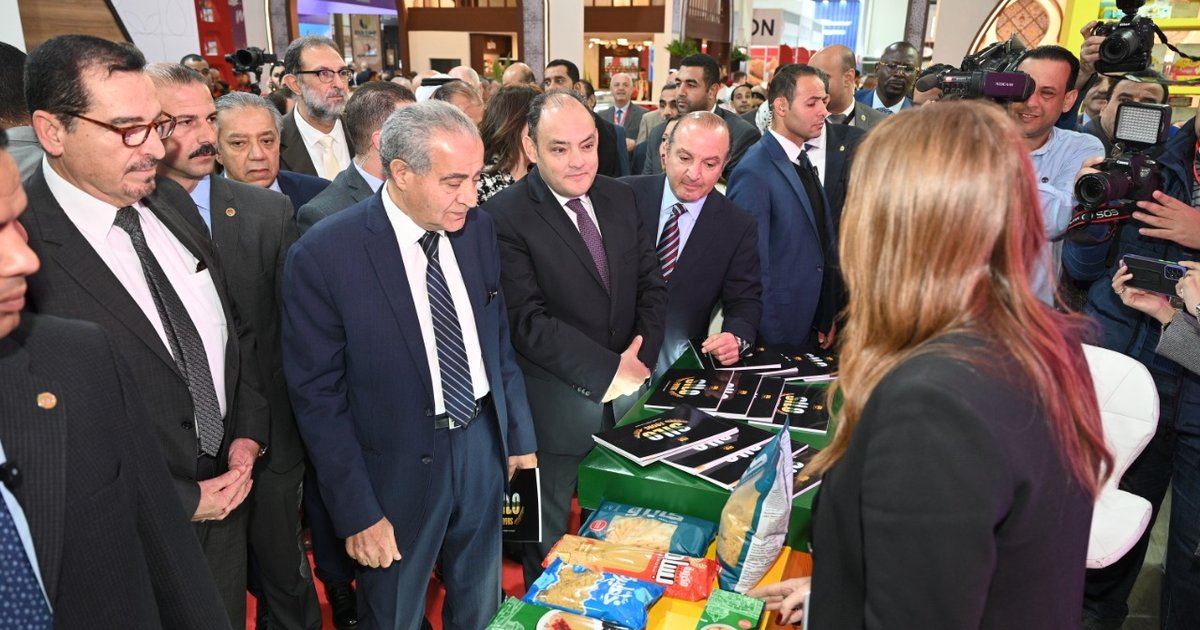
In response to economic crises, the Egyptian Deputy Prime Minister is overseeing efforts to secure essential goods and production supplies. This initiative is part of a comprehensive plan aimed at stabilizing the local market and meeting citizens' needs.
The Deputy Prime Minister held a meeting with several officials to discuss the outcomes of the committee addressing the crisis, reviewing the current challenges facing the supply of goods. He emphasized the importance of coordination among various government entities to ensure the flow of goods into the markets.
Details of the Meeting
During the meeting, data regarding stock levels of essential goods was reviewed, with reports indicating a noticeable improvement in some categories. There was also a strong emphasis on the need to increase local production to reduce reliance on imports.
Additionally, the discussion included ways to enhance cooperation with the private sector, where the Deputy Prime Minister highlighted the importance of partnership between the government and private sector to achieve economic goals. A series of initiatives were proposed to support local industries and boost their competitiveness.
Background & Context
Egypt is currently facing multiple economic challenges, including rising prices and a decline in the value of the local currency. This meeting comes at a critical time as the government seeks to take effective measures to ensure market stability and meet citizens' needs.
Historically, the Egyptian government has relied heavily on importing a significant portion of its essential goods, making it vulnerable to global fluctuations. Therefore, enhancing local production is a strategic step aimed at achieving food security.
Impact & Consequences
If the government succeeds in implementing its plans to secure essential goods, it will contribute to price stability and enhance citizens' confidence in economic policies. Improving local production could also create new job opportunities and foster economic growth.
However, the biggest challenge remains how to deal with global economic pressures and their impact on the local market. Thus, effective coordination between government entities and the private sector is vital for the success of these efforts.
Regional Significance
Egypt's experience in addressing economic crises serves as a model that other Arab countries facing similar challenges can benefit from. Strengthening local production and securing essential goods could have a positive impact on social and economic stability in the region.
Given the current global economic conditions, cooperation among Arab countries in production and trade is essential to tackle shared challenges.
In conclusion, the Egyptian government's efforts to secure essential goods and production supplies represent a crucial step toward achieving economic stability, and their success depends on effective coordination among all stakeholders involved.