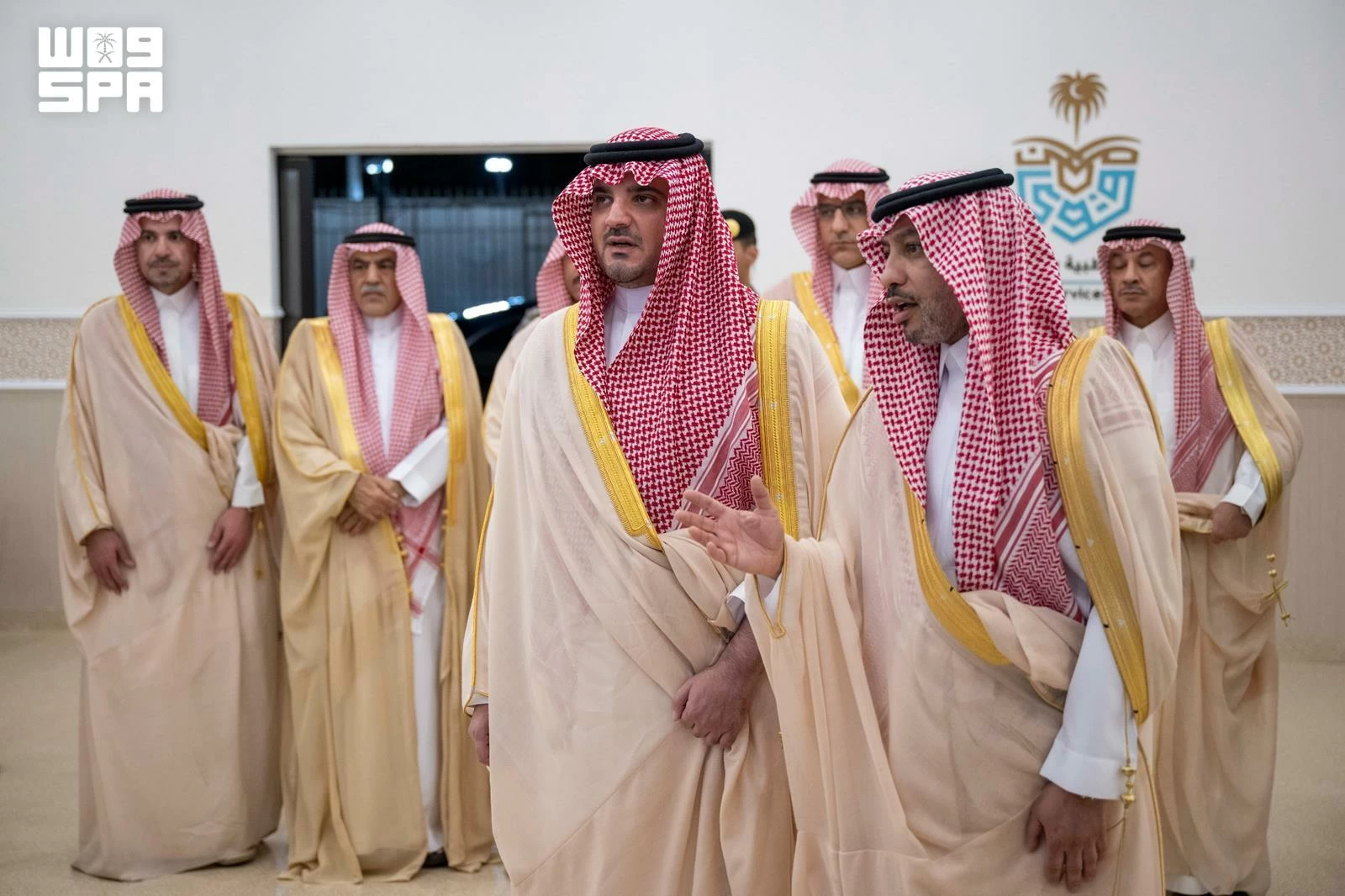
Interior Minister and Chairman of the Supreme Hajj Committee, Prince Abdulaziz bin Saud bin Naif bin Abdulaziz, today monitored the operations at several health facilities affiliated with the medical services of the Ministry of Interior in the holy sites. This visit is part of ongoing efforts to ensure the best healthcare services for pilgrims.
During his tour, Prince Abdulaziz inspected the Medical Services Clinics Complex, which includes specialized clinics, medical equipment, pharmacies, and laboratories. He also checked the critical care departments and supporting services, which operate under the supervision of specialized medical, technical, and administrative staff, reflecting the Kingdom's commitment to providing comprehensive healthcare for the guests of Allah.
Event Details
The tour included a visual presentation showcasing the efforts of the medical services of the Ministry of Interior during the Hajj season, highlighting the network of healthcare service providers, teams, and field and seasonal clinics. The focus was also on the hospitals and medical centers operating in Mecca, Medina, and the holy sites, demonstrating the high level of coordination among various concerned parties.
Prince Abdulaziz also reviewed the command and control center for medical services, which provides real-time monitoring of the readiness of health facilities, patient movement, and the positioning of field teams. This system supports quick decision-making and enhances the efficiency of field medical responses, contributing to improved healthcare for pilgrims.
Background & Context
Healthcare services during the Hajj season are among the top priorities, as millions of pilgrims from around the world converge on the holy sites. Therefore, the Kingdom of Saudi Arabia continually seeks to improve and develop healthcare services to ensure the safety of pilgrims and provide them with the necessary care.
Historically, the Kingdom has witnessed significant developments in healthcare, especially during Hajj seasons, with the establishment of numerous hospitals and specialized health centers. These efforts reflect the Kingdom's commitment to providing a safe and healthy environment for pilgrims.
Impact & Consequences
These efforts contribute to enhancing the Kingdom's reputation as a global center for Hajj, showcasing its ability to provide integrated healthcare services. Additionally, improving healthcare services helps reduce health risks associated with infectious diseases and heat stress, ensuring the safety of pilgrims.
The use of modern technologies, such as smart health bracelets and drones, reflects innovation in delivering healthcare services, enhancing the effectiveness of medical responses, and ensuring that the needs of pilgrims are met quickly and efficiently.
Regional Significance
The Kingdom's experience in providing healthcare services during Hajj serves as a model for other countries in the Arab region. Other nations can benefit from this experience to improve their healthcare services, especially during major events.
These efforts foster cooperation among Arab countries in the field of public health, reflecting the importance of collective action to address common health challenges.
In conclusion, the Interior Minister's visit to the holy sites reflects the Kingdom's commitment to providing the best healthcare services for pilgrims, enhancing its status as a primary destination for Hajj and ensuring the safety of the guests of Allah.