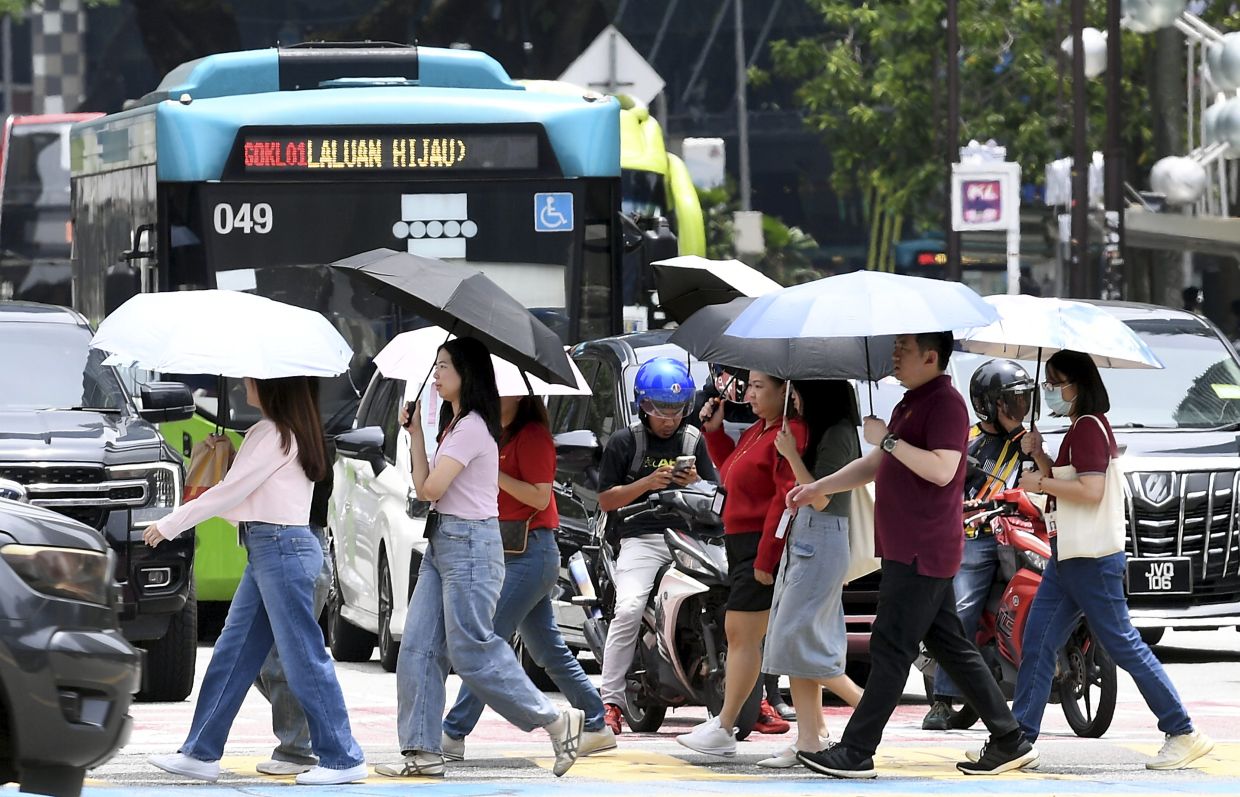
The Kedah Education Department in Malaysia has announced that it will continue to monitor temperatures issued by the Malaysian Meteorological Department (METMalaysia) before making a decision regarding the continuation of the remote education system (PdPR) in the state. This decision comes at a time when the country is experiencing climatic fluctuations that impact the educational process.
This step is part of ongoing efforts to ensure the safety of students and teachers, as the department focuses on assessing climatic conditions before making any decisions related to education. Officials have indicated that high temperatures could negatively affect students' health, necessitating precautionary measures.
Details of the Situation
The Kedah Education Department aims to ensure a safe educational environment for students, with decisions being made based on climatic data provided by the Meteorological Department. A spokesperson for the department clarified that the final decision regarding the continuation of remote education will depend on a thorough assessment of temperatures and weather conditions.
If temperatures continue to rise, the period of remote education may be extended, meaning that students will continue to receive their lessons from home. This is part of the efforts to protect students' health under severe climatic conditions.
Background & Context
Malaysia is one of the countries facing multiple climatic challenges, significantly impacted by climate change. In recent years, the country has witnessed rising temperatures, affecting various sectors, including education. The remote education system has been implemented in response to these challenges, utilizing technology to provide education to students in their homes.
It is noteworthy that remote education has become an essential part of the educational system in many countries, especially amid the COVID-19 pandemic. This method has proven effective in maintaining educational continuity despite health challenges.
Impact & Consequences
If the remote education system is extended, it may affect the quality of education and interaction between students and teachers. Traditional education provides opportunities for direct interaction, while remote education may face challenges in this regard. However, maintaining students' health remains a top priority.
Continuing remote education could increase reliance on technology in education, potentially opening new avenues for learning. At the same time, strategies must be in place to ensure that all students have access to the necessary resources for remote learning.
Regional Significance
Many Arab countries face similar challenges in education, particularly under severe climatic conditions. The experience of Kedah in Malaysia could serve as a valuable lesson for Arab countries seeking to improve their educational systems amid climatic changes. Additionally, the use of technology in remote education could be a model to emulate in the region.
In conclusion, the Kedah Education Department's decision to monitor temperatures before taking further steps reflects its commitment to ensuring student safety. It is crucial for countries to continue assessing climatic conditions and their impact on education, adopting flexible strategies that align with current challenges.