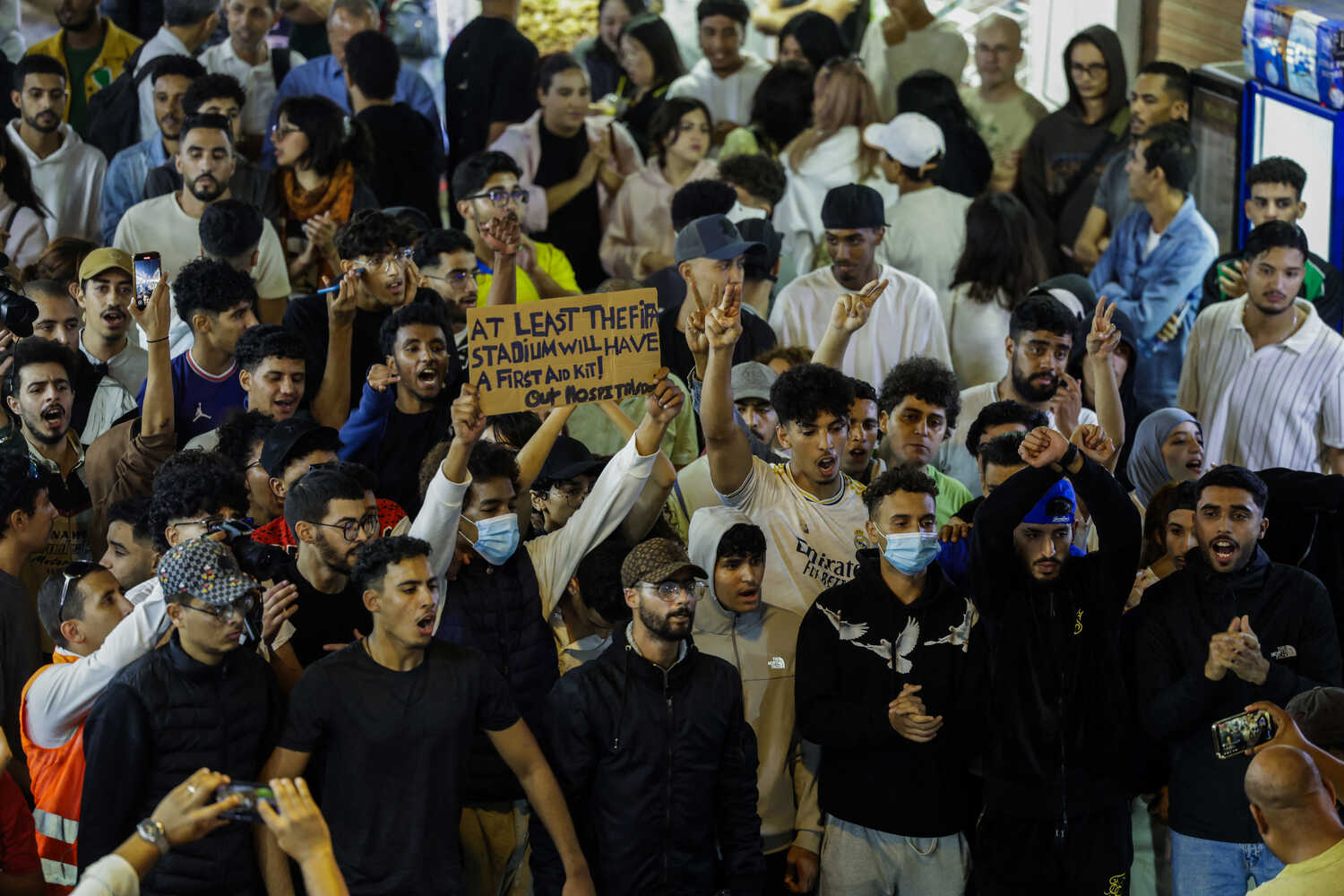
Angry reactions continue to emerge in Morocco after the Israeli Knesset approved a bill allowing the execution of prisoners, which has sparked widespread condemnation from human rights organizations and civil society groups. These organizations have stated that the law specifically targets Palestinian prisoners in occupation jails and poses a threat to their fundamental rights to life, dignity, and legitimate resistance.
In this context, more than 50 Moroccan cities have announced their participation in the 'Friday of Prisoners' event, where demonstrations and solidarity activities have been organized to express rejection of this law. These events come at a sensitive time, as concerns grow regarding the conditions of Palestinian prisoners in Israeli jails, especially amid ongoing violations of their rights.
Details of the Event
Many Moroccan human rights organizations, including the Moroccan Association for Human Rights, have issued strong statements condemning this law, indicating that it contradicts international laws and human rights. These organizations emphasized that the adoption of such a law reflects the Israeli occupation's policy towards Palestinians and exacerbates their suffering under harsh conditions within prisons.
Protests have also been organized in numerous Moroccan cities, where participants raised slogans calling for support for Palestinian prisoners and rejecting the death penalty policy. These events have seen widespread participation from various segments of society, including youth and women, reflecting the Moroccan people's commitment to the Palestinian cause.
Background & Context
Historically, the issue of Palestinian prisoners has been central to the Palestinian-Israeli conflict. Many prisoners have faced severe violations of their rights, including torture and mistreatment. In recent years, international calls to halt these violations have increased, yet the Israeli occupation has continued to ignore them.
The death penalty bill for prisoners comes at a time when tensions are escalating between Palestinians and Israelis, particularly following recent violent events in the West Bank and Gaza Strip. This law is seen as part of a broader Israeli policy aimed at reinforcing control over Palestinians and dismantling their resistance.
Impact & Consequences
The enactment of this law could lead to heightened tensions in the region, as the occupation is expected to face strong backlash from Palestinians and Arab countries. Additionally, this law may contribute to increasing Israel's international isolation, especially amid growing criticism of its policies towards Palestinians.
Furthermore, this law could negatively impact peace efforts in the region, as it may be viewed as a step towards escalation rather than dialogue. This shift in Israeli policy towards Palestinian prisoners reflects a decline in the prospects for achieving a peaceful resolution to the conflict.
Regional Significance
The issue of Palestinian prisoners is a sensitive topic in the Arab world, stirring feelings of solidarity and empathy. Moroccan reactions may encourage other Arab countries to adopt similar stances, increasing pressure on the Israeli occupation.
Moreover, these events could help raise Arab awareness of the Palestinian cause and unify efforts to support Palestinian prisoners. Under current circumstances, it appears that Arab solidarity with Palestine will remain central in confronting Israeli policies.
In conclusion, Morocco's stance against the Israeli death penalty law for prisoners highlights the Moroccan people's commitment to the Palestinian cause and underscores the importance of Arab solidarity in facing the challenges confronting Palestinians in occupation jails.