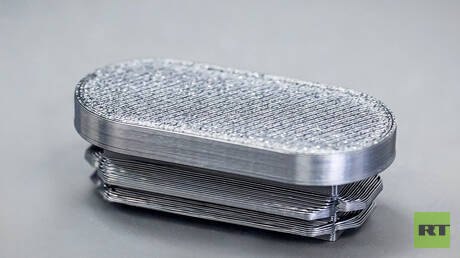
Moscow has announced the adoption of 3D printing technology as a new method for the immediate production of bus spare parts, in a move aimed at enhancing the sustainability of the public transport system and improving the efficiency of services provided to citizens.
This initiative is part of the city's efforts to develop its infrastructure and promote innovation in the transportation sector. Moscow aims to reduce reliance on external suppliers, which contributes to speeding up maintenance processes and lowering costs.
Event Details
The 3D printing technology is considered a modern technique that allows for the precise and rapid manufacturing of spare parts. Initial experiments have shown significant success in producing various bus spare parts, which helps to reduce maintenance waiting times.
This technology also targets material waste reduction, as materials used in printing can be reused, enhancing the sustainability of industrial operations. Several pilot projects have already been implemented in this field, where results have proven the effectiveness of this technology in improving service quality.
Background & Context
Moscow is one of the largest cities in the world and faces significant challenges in public transport, including traffic congestion and high maintenance costs. With the growing population, it has become essential to improve the efficiency of the transport system.
Historically, Moscow has relied on traditional techniques for bus maintenance, leading to service delays and increased costs. With the emergence of new technologies like 3D printing, the city has begun exploring new options to enhance transport services.
Impact & Consequences
The adoption of 3D printing is expected to have positive effects on Moscow's public transport system. This technology will help reduce maintenance waiting times, which means improved service for citizens.
Additionally, this step may encourage other cities around the world to adopt similar technologies, contributing to the overall development of public transport systems. Furthermore, reducing reliance on external suppliers could enhance the city's ability to control maintenance costs.
Regional Significance
This initiative in Moscow serves as a model for Arab cities facing similar challenges in transportation. Technologies like 3D printing can contribute to improving public transport efficiency in many Arab countries that suffer from infrastructure issues.
With the increasing interest in modern technology in the Arab world, it may be beneficial to explore how these technologies can be applied to enhance transport services, contributing to greater sustainability.
In conclusion, Moscow's adoption of 3D printing technology for bus maintenance represents an important step towards improving the public transport system and may have positive impacts on other cities worldwide.