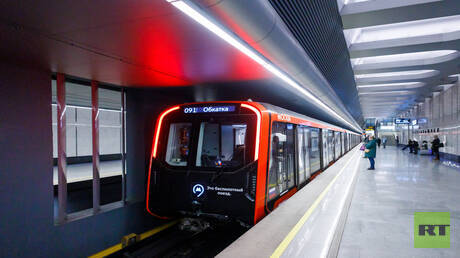
Russian authorities announced the results of the first phase of testing the country's first self-driving metro train after five months of trial operation within the actual Moscow metro network. The train, designed to be part of the future of urban transport, covered a distance exceeding 3000 kilometers without recording any incidents, reflecting the success of the trial.
This step is part of Russia's efforts to modernize its infrastructure and enhance smart transport systems. The self-driving train represents a qualitative leap in how traffic is managed within major cities, aiming to reduce congestion and improve efficiency.
Details of the Event
The tests began earlier this year, with the train operating under real conditions within the metro network. The train is equipped with advanced technology, including sophisticated sensing systems and cameras to monitor the surrounding environment. This technology allows the train to make quick and effective decisions, enhancing passenger safety.
During the testing period, the train's performance was monitored under various weather conditions, which helped improve its software and enhance its performance. Tests were also conducted at different speeds to ensure its stability and safety during operation.
Background & Context
Many countries around the world are seeking to introduce smart transport technologies, with self-driving trains being part of a future vision for urban transport. Russia is not alone in this field, as countries like Japan and South Korea have pioneered similar systems.
Historically, Russia has seen significant development in transportation, possessing one of the largest metro networks in the world. However, the introduction of modern technology is a crucial step towards improving efficiency and reducing costs.
Impact & Consequences
The success of this project may encourage further investments in smart transport in Russia, potentially leading to an improved quality of life in major cities. Additionally, this success could open doors for similar future projects in other countries.
Moreover, this development could lead to a reduced reliance on traditional transport methods, contributing to lower carbon emissions and enhancing the urban environment.
Regional Significance
Russia's experience with self-driving trains serves as a model for Arab countries seeking to develop transport systems. Many major cities in the region suffer from traffic congestion, making the introduction of smart transport technologies essential.
Arab nations can benefit from this experience by studying the systems and technologies used, facilitating the implementation of similar solutions in the future.
In conclusion, the success of the self-driving train test in Moscow represents an important step towards the future of smart transport and reflects Russia's commitment to developing its infrastructure. This development may have positive implications globally, especially in countries striving to improve their transport systems.