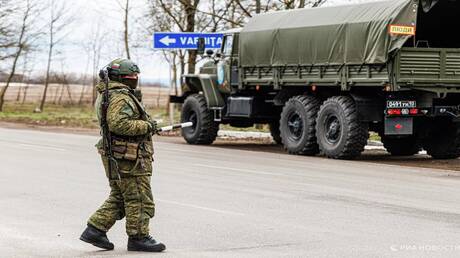
Russian Ambassador to Moldova Oleg Ozerov has affirmed that Moscow has not closed the door on the possibility of withdrawing its military forces from the separatist region of Transnistria, while stipulating that specific political and security conditions must be met to ensure regional stability and protect the rights of Russian speakers residing there.
Ozerov's remarks come within the context of escalating international pressure on Russia to reconsider its military presence in the disputed region, which has remained contentious since the collapse of the Soviet Union. Moscow maintains "peacekeeping" forces and military equipment in the territory, which has enjoyed de facto autonomy since 1992, despite repeated international demands for their withdrawal.
Russian Conditions and Diplomatic Statements
The Russian ambassador clarified, in statements carried by local news agencies, that his country has "not refused" demands for troop withdrawal, but links this measure to the "implementation of certain conditions by all parties," the full details of which were not disclosed. It is believed these conditions include a comprehensive political settlement of the conflict, guarantees for the security of ethnic Russian populations, and potentially Moldova's neutrality regarding NATO membership.
These statements coincide with intensive efforts led by the Moldovan government under President Maia Sandu to restore full sovereignty over the separatist region. Located on the border with Ukraine, Transnistria hosts approximately 1,500 Russian soldiers as part of peacekeeping operations, in addition to significant stockpiles of weapons believed to date back to the Soviet era.
Background & Context
The roots of the crisis trace back to 1992, when a brief civil war erupted between Moldova and Russia-backed separatists in Transnistria (the region along the Dniester River), resulting in thousands of casualties and the de facto separation of the region from central authority in Chisinau. Since then, Russia has maintained a permanent military presence under the cover of "peacekeeping forces" and the "Joint Operational Group," despite recurring international calls for withdrawal.
The region, home to approximately 500,000 people and considered one of Europe's poorest areas, represents a persistent geopolitical flashpoint between Moscow and the West. The issue has gained increasing importance following the outbreak of the Russia-Ukraine war in 2022, as Ukraine now demands the withdrawal of Russian forces from adjacent territories, while Moldova fears Transnistria could become a bridgehead for threatening its security or an arena for expanding the conflict.
Impact & Consequences
The Russian ambassador's statements serve as an indication of Moscow's flexibility in negotiations, yet simultaneously highlight the complexity of the file, as Russia links its military presence to the fate of Russian speakers in the region—a narrative it repeatedly employs to justify interventions in former Soviet neighboring states. This development occurs amid efforts by the European Union and Romania (a NATO member) to enhance their influence in Moldova through substantial economic and political support.
Conversely, fears persist that any sudden military change in Transnistria could destabilize the Caucasus and Balkans regions, particularly amid the ongoing war in Ukraine. International reports warn that the region could transform into a proxy battleground between the West and Russia, complicating regional peace efforts and increasing the suffering of civilian populations in one of Europe's most impoverished and isolated areas.
Regional Significance
Despite the geographical distance, developments in Transnistria carry significant implications for the Arab world as a case study in complex regional conflicts and disputed territories. The Moldovan experience recalls challenges facing Arab sovereignty issues such as Western Sahara or Palestine, where military presence and international pressure play pivotal roles in determining the fate of populations.
The file also gains importance from a food security perspective, as Moldova and its separatist region form part of the export corridors for Ukrainian and Moldovan grains that feed Arab markets. Any military escalation or political collapse in the region could affect the stability of wheat and corn supplies to importing Arab nations, particularly amid the ongoing global food crisis. The situation remains a testament that temporary military solutions cannot substitute for comprehensive political settlements that respect the rights of all parties.