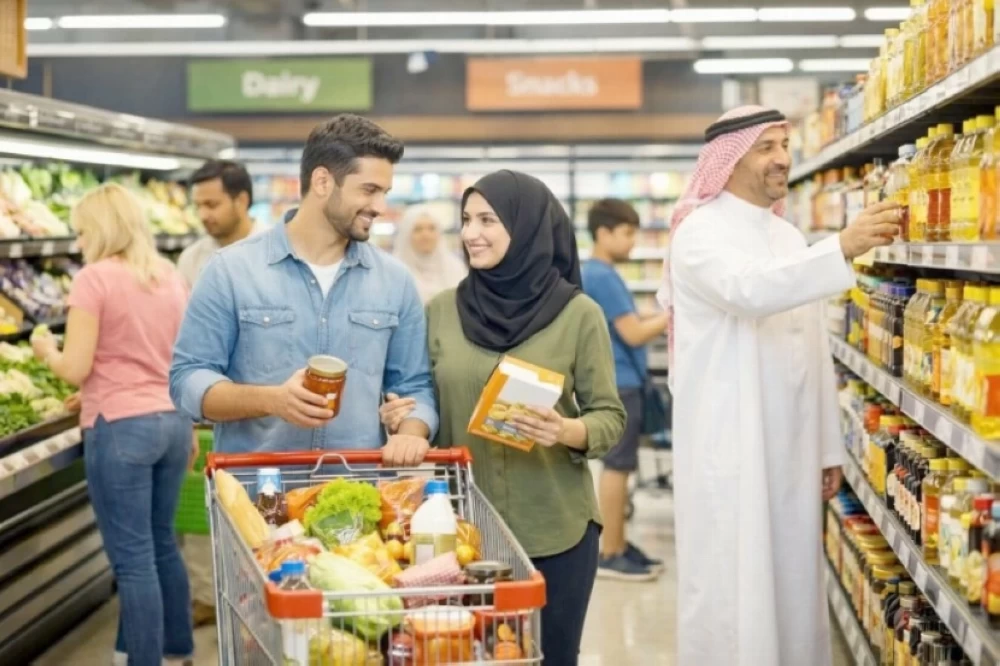
In a move aimed at promoting public health, municipalities have proposed a ban on displaying low-nutritional-value food products at checkout lines in stores and supermarkets. This proposal is part of efforts to improve the quality of food available to consumers, with a corrective grace period of three years set for the implementation of this decision.
The proposal includes a ban on displaying or providing any food products on the side shelves of checkout lines unless they are of high nutritional value. It also emphasizes the need for clear labeling of displayed food items, stating their high nutritional value, while allowing the display of any consumables or non-food products on checkout shelves.
Event Details
The proposed regulation exempts fresh fruits and vegetables, including any salad mixes that do not contain croutons. However, this exemption does not include dried fruits and vegetables. The proposal also revealed a list of permitted exceptions, which includes bottled mineral water, sugar-free gum, and mints. Any additional exceptions that may be issued later by the General Authority for Food and Drug are expected to be included.
According to the proposal, establishments will be granted a three-year grace period starting from the date of publication, allowing grocery stores and supermarkets to fully comply with the new requirements and align with the display regulations.
Background & Context
This initiative comes amid increasing efforts to enhance the quality of food available in markets, as concerns grow over the impact of low-nutritional-value foods on consumer health. Previous studies have shown that the consumption of such products can lead to various health issues, including obesity and heart diseases.
Through this proposal, municipalities aim to encourage consumers to choose healthier food options, reflecting a broader trend towards raising nutritional awareness among citizens. This step may also help reduce reliance on unhealthy food products and promote the consumption of fresh and nutritious foods.
Impact & Consequences
This proposal is expected to have a significant impact on the food industry, as manufacturers and distributors will need to adjust their strategies to meet the new requirements. This may lead to increased production costs; however, it could also open new avenues for innovation in developing higher-nutritional-value food products.
Moreover, this decision could enhance the culture of healthy eating within the community, contributing to improved public health and reduced rates of diet-related diseases. If successful, this proposal could serve as a model for other countries seeking to improve the quality of food available to their citizens.
Regional Significance
This step is significant not only at the local level but may also impact the Arab region as a whole. With growing health awareness in Arab countries, this initiative could inspire other nations to adopt similar policies aimed at improving the quality of food available to their populations.
Such policies could lead to better health outcomes for Arab communities and enhance nutritional awareness, contributing to building a healthier and more prosperous society. Ultimately, this move reflects a genuine commitment from local authorities to improve the quality of life for citizens.