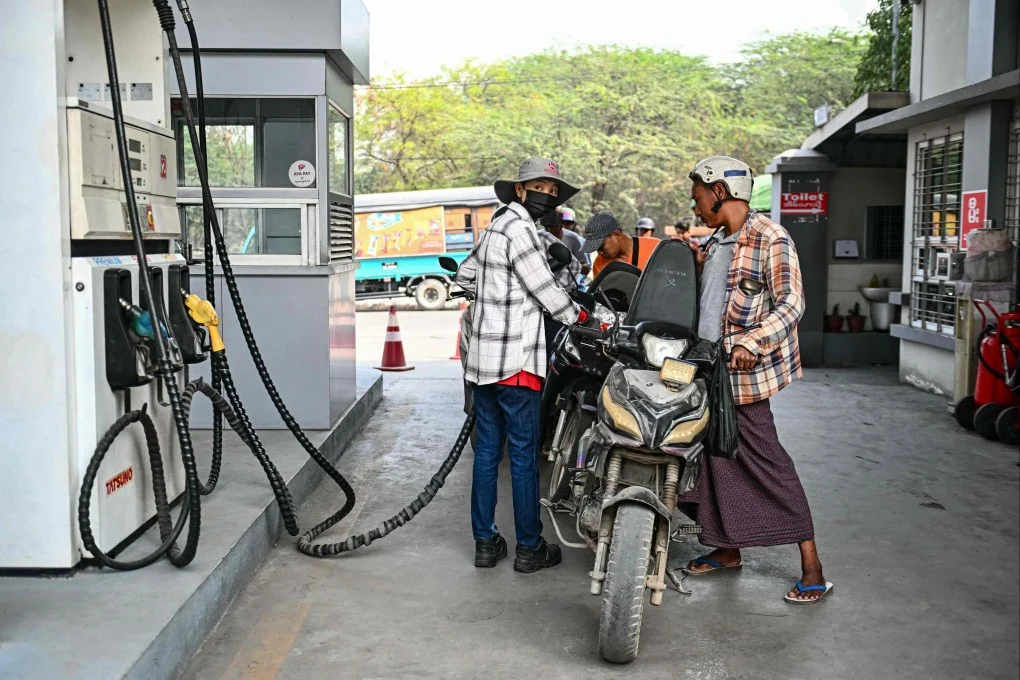
Myanmar is currently facing a severe food crisis as a result of shortages in fuel and fertilizers, which poses a significant threat to the country's food security. Farmers are struggling to fuel their tractors, hindering their ability to work in the fields as the agricultural season approaches.
The fuel shortage has disrupted farming operations, as farmers heavily rely on tractors to facilitate land work. Additionally, the fertilizer shortage, exacerbated by the closure of the Strait of Hormuz, complicates the situation further and threatens agricultural yields at a critical time.
Details of the Crisis
Myanmar is one of the countries suffering from severe economic weakness, with a quarter of its population living in food insecurity. Reports indicate that the current crisis could worsen the situation, especially with the onset of the agricultural season, which is vital for the country. Farmers are facing significant challenges in obtaining the necessary fuel to operate their equipment, which impedes their ability to plant crops on time.
These crises coincide with the ongoing internal conflict in the country, where armed clashes between the government and armed factions continue. This conflict, which has been ongoing for several years, has led to a deterioration of economic and social conditions, making the country more susceptible to successive crises.
Background & Context
Historically, Myanmar has relied on agriculture as a primary source of its economy, with agriculture accounting for a significant portion of its GDP. However, recurring political and economic crises, including the military coup in 2021, have severely degraded the economic situation. In recent years, the country has witnessed rising inflation rates, further exacerbating the suffering of its citizens.
Under these circumstances, it has become increasingly difficult for the government to provide the necessary support to farmers, worsening the food crisis. The fertilizer shortages due to global crises negatively impact agricultural production, threatening the country's food security.
Impact & Consequences
The food crisis in Myanmar serves as a wake-up call, as it could lead to famine in certain regions. If the situation continues as it is, humanitarian crises are expected to escalate, increasing the number of individuals in urgent need of food assistance.
This crisis requires a swift response from the international community, as its repercussions could affect regional stability. Should the situation worsen, the flow of refugees from Myanmar to neighboring countries may increase, placing additional pressure on these nations.
Regional Significance
The food crisis in Myanmar is a pressing humanitarian issue that demands the attention of the international community, as its consequences could impact regional stability. Addressing the crisis effectively is essential to prevent further deterioration of the situation and to ensure that the needs of the affected populations are met.
In conclusion, the ongoing food crisis in Myanmar highlights the urgent need for international intervention and support to stabilize the region and assist those in dire need.