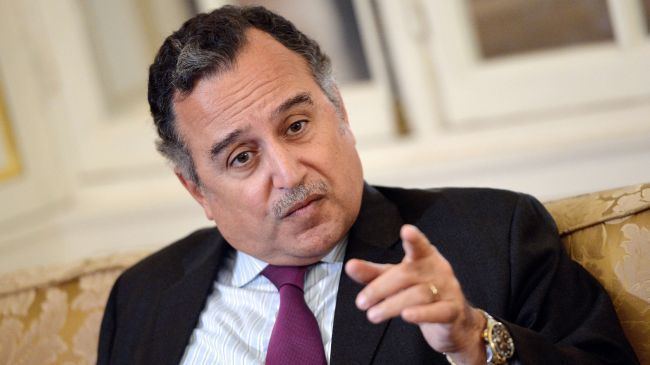
Diplomatic sources have announced that veteran diplomat Nabil Fahmy is on the verge of assuming the presidency of 'House of Arabs', reflecting new movements in the Arab political landscape. Fahmy is regarded as one of the most prominent figures in foreign policy, having held several high-ranking positions in the Egyptian government, including Minister of Foreign Affairs.
This move comes at a sensitive time for the region, as the 'House of Arabs' seeks to enhance cooperation among Arab countries and coordinate positions in the face of common challenges. Fahmy's extensive experience is expected to contribute to strengthening Arab-Arab relations, especially in light of the political and economic crises facing many countries.
Details of the Event
Nabil Fahmy, known for his vast experience in international affairs, could play a pivotal role in reshaping Arab policies. He is considered one of the diplomats with a clear vision on how to enhance Arab cooperation, aligning with the goals of the 'House of Arabs'.
The official announcement of his appointment is expected in the coming days, where a meeting will be held to discuss future plans and the challenges facing the region. This position presents an opportunity for Fahmy to implement his vision for enhancing Arab unity.
Background & Context
Over the past years, the Arab region has witnessed numerous political and social changes. From internal conflicts to regional tensions, the need for greater coordination among Arab countries has been evident. The 'House of Arabs', established as a platform to promote cooperation, aims to address these challenges through collective action.
Fahmy, who served as Foreign Minister during a critical period, has a deep understanding of the challenges facing Arab countries, including Palestinian and Syrian issues. His appointment to this position is seen as a positive step towards enhancing Arab coordination.
Impact & Consequences
Nabil Fahmy's presidency of the 'House of Arabs' may have positive implications for Arab relations, as he is expected to contribute to tangible progress on many outstanding issues. His expertise in foreign policy could help overcome obstacles that hinder cooperation among countries.
Moreover, having a figure like Fahmy in this position may enhance the credibility of the 'House of Arabs' as an effective platform for Arab cooperation, potentially attracting more support and collaboration from member states.
Regional Significance
Nabil Fahmy's appointment could have wide-ranging effects on the Arab scene, as it is seen as a step towards strengthening unity and solidarity among countries. Amid the multiple crises facing the region, Fahmy is expected to contribute to rebuilding trust among Arab nations.
The success of the 'House of Arabs' in achieving its goals largely depends on Fahmy's ability to unify visions and achieve consensus among member states, which could lead to positive outcomes at the regional level.
In conclusion, Nabil Fahmy's assumption of the presidency of the 'House of Arabs' is a significant step in the path of enhancing Arab cooperation, and it is anticipated that he will contribute to addressing the challenges facing the region.