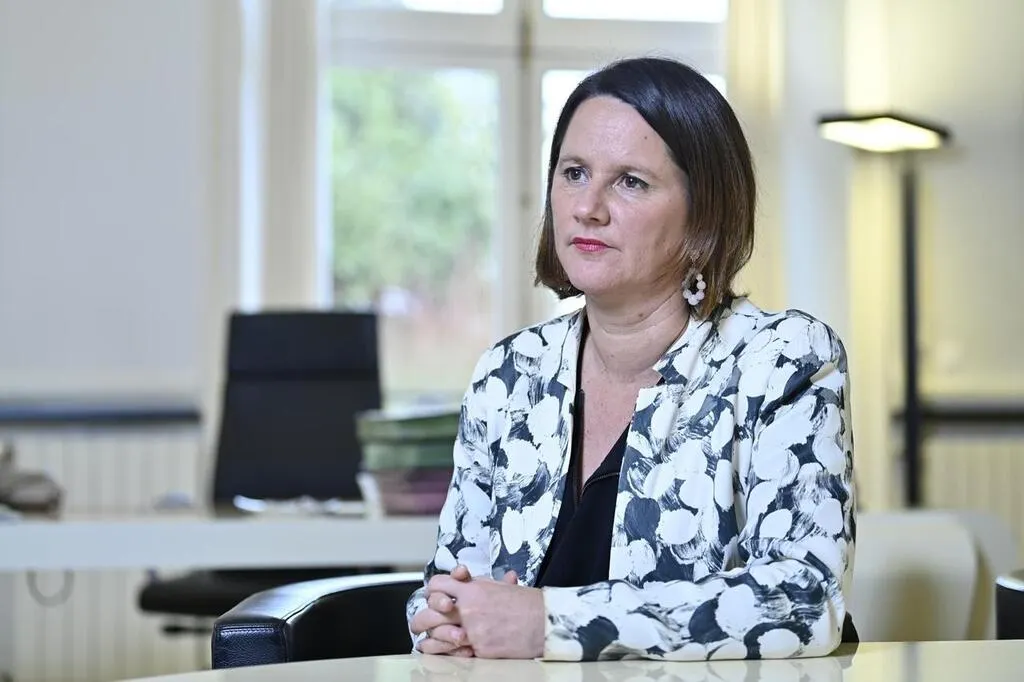
In a notable political development, the mayor of Nantes, France, Joanna Roland, has restructured her local government following her re-election for a third term. She has decided to enhance the representation of leftist and environmental parties within the administration, leading to the exclusion of right-wing and centrist parties from executive positions. This step comes at a time when pressure is mounting on Roland from her allies to adopt a more collaborative policy.
Roland, a member of the Socialist Party, emphasized the importance of teamwork in her new administration, aiming to foster cooperation among various political forces, particularly those with environmental agendas. This approach reflects her desire to achieve greater balance in local politics, especially after right-wing and centrist parties have gained victories in some neighboring municipalities.
Details of the Restructuring
After her re-election, Roland appointed several political figures from the left and environmental sectors to prominent positions, reflecting the new political trends in the city. In contrast, right-wing and centrist parties were unable to secure any vice-presidential positions, despite their success in winning some municipalities. This situation raises questions about the future of cooperation between these parties and local authority.
This move is part of a broader strategy aimed at reinforcing socialist and environmental values in the city's administration, as Roland seeks to present a model of balance among different political forces. She has stressed the importance of inclusive decision-making, but it appears that this direction may come at the expense of right-wing parties.
Context and Background
Historically, Nantes has been one of the French cities that have witnessed significant political transformations, often regarded as a stronghold of socialist ideas. However, in recent years, right-wing and centrist parties have begun to gain more support, prompting Roland to rethink her political strategy. These changes come at a sensitive time, as the world is experiencing major shifts in local and international policies, requiring local leaders to adapt to these changes.
Nantes is also a hub for environmental innovation, as the city strives to achieve sustainable development goals. Therefore, enhancing the role of environmental parties in local government is considered a strategic step aimed at promoting these objectives. Roland hopes that this approach will contribute to improving the quality of life in the city and attracting more investments.
Consequences and Impact
Political circles anticipate that these changes will affect relationships among various parties in Nantes, potentially leading to increased tensions between the left and the right. Additionally, the exclusion of right-wing parties from executive positions may impact the city's ability to achieve political consensus, which could negatively affect local projects.
At the same time, this step may help strengthen the role of environmental parties in local politics, potentially leading to positive changes in environmental policies. If Roland succeeds in achieving her goals, Nantes could become a model for other cities in France and Europe.
Impact on the Arab Region
Although events in Nantes may seem distant from the Arab region, political and social trends in major cities can influence global policies. The strengthening of environmental and leftist parties in Europe may inspire political movements in Arab countries, where demands for social justice and sustainable development are growing.
Furthermore, Nantes' experience in fostering cooperation among different political forces could serve as an important lesson for Arab countries striving for political and social stability. The shift towards collective action may help overcome political divisions and promote national unity.