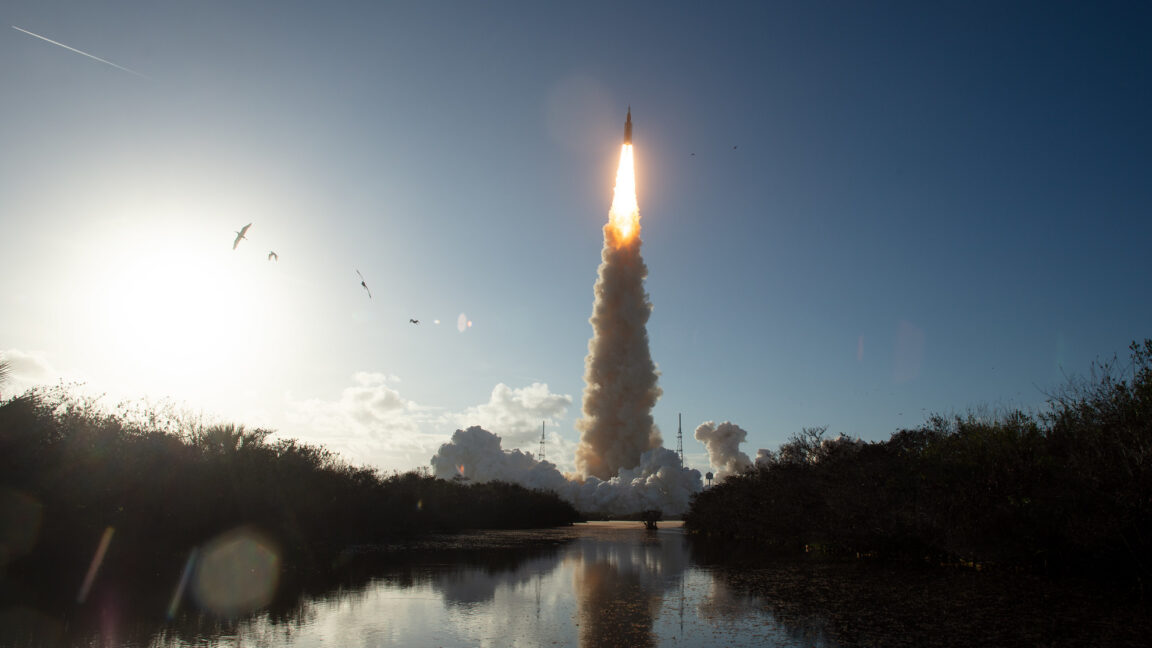
NASA, the United States space agency, is gearing up for a return to the Moon under its new program, despite many believing that the agency has already accomplished everything possible through previous visits. This return aims to explore further scientific and technological opportunities that could benefit humanity.
This initiative comes at a time when the world is witnessing a growing interest in space, with many countries and private companies seeking to explore outer space. NASA hopes that its return to the Moon will serve as a launching pad for larger projects, such as exploring Mars.
Details of the Artemis Program
NASA is preparing to launch the Artemis program, which aims to return humans to the Moon by 2024. The program includes plans to establish a base on the lunar surface, enabling scientists to conduct advanced research on the Moon's composition and potential resources.
NASA also aims to use the Moon as a stepping stone for Mars exploration, where experiments on the Moon could provide valuable lessons on how to live and work in distant space environments.
Background & Context
The history of lunar exploration dates back to 1969 when the first crewed mission, Apollo 11, landed on the Moon's surface. Since then, NASA has sent several other missions, but interest in returning to the Moon has waned in recent decades. However, technological advancements and a renewed interest in space have brought this subject back to the forefront.
The return to the Moon is part of a larger strategy aimed at fostering innovation in the space sector, as NASA seeks to collaborate with private companies and other countries to achieve its ambitious goals.
Impact & Consequences
NASA's return to the Moon is a strategic step that could significantly influence the future of space exploration. Through these missions, technology used in space could evolve, benefiting many industries on Earth.
Moreover, the success of these missions could enhance the United States' standing in the global space race and encourage further investments in this field.
Regional Significance
The importance of space is increasing in the Arab region, where some countries, such as the United Arab Emirates, have begun exploring space through projects like the Hope Probe. NASA's successful return to the Moon could inspire Arab nations to expand their space programs and enhance collaboration in this field.
Additionally, cooperation between Arab countries and global space agencies could lead to knowledge and experience sharing, strengthening the region's capacity to participate in space exploration.
In conclusion, NASA's return to the Moon is not only about exploration but also about developing new technologies and enhancing international cooperation in space. This step could mark the beginning of a new era of space exploration that may change our understanding of the universe.